Apple Watch – Apples Latest Consumer Innovation


Everything You Need to Know About the Apple Watch

AppleWatch      AppleWatchMetal

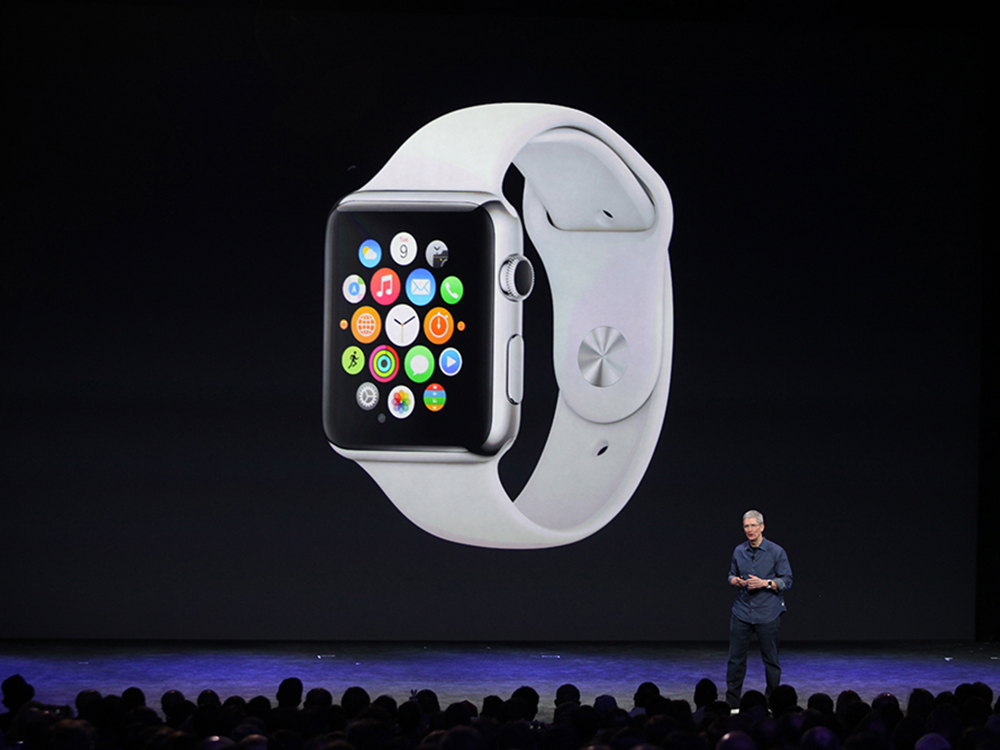
The wearable space just got bigger. Way bigger. Apple debuted its long-awaited wearable Tuesday, simply called Apple Watch.

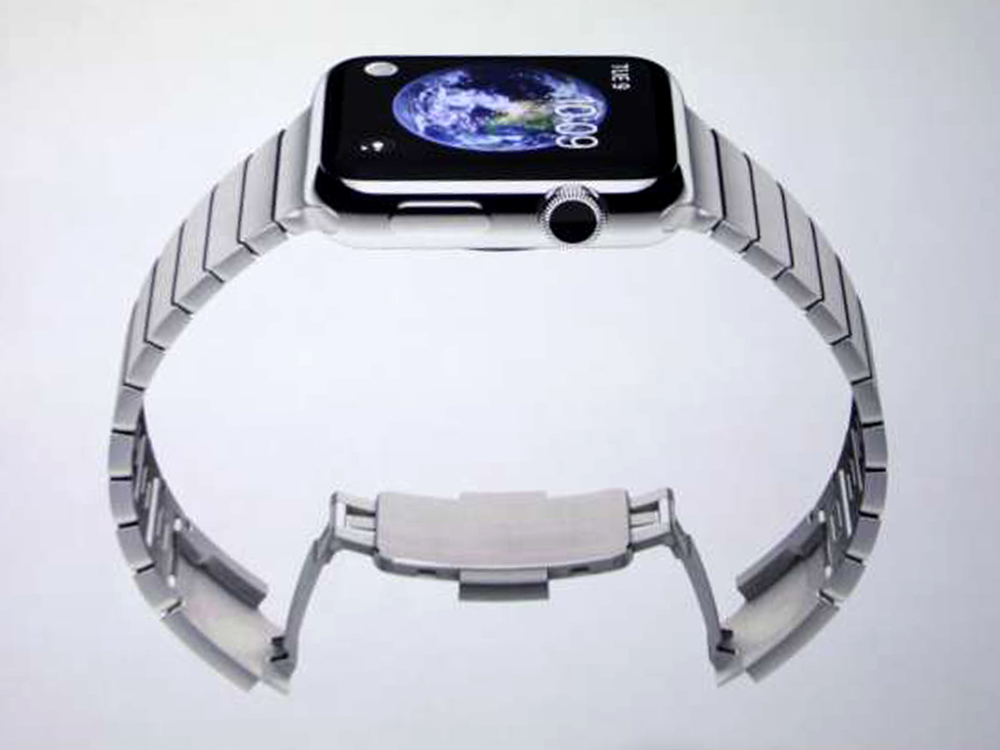
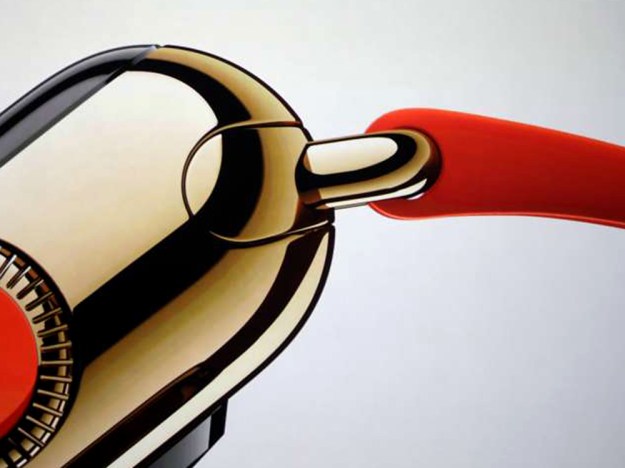
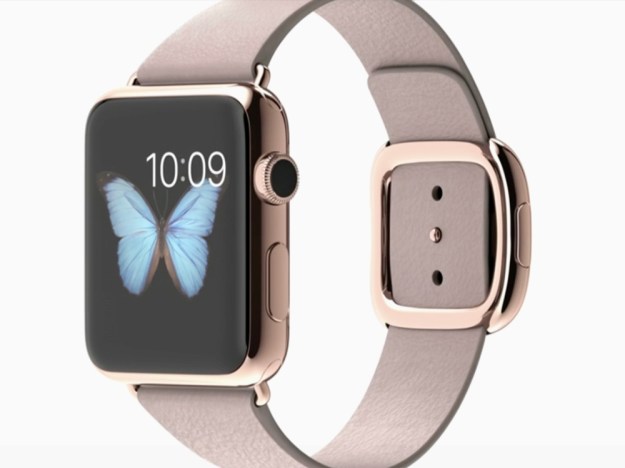
There are actually three products: Apple Watch, Apple Watch Sport, and Apple Watch Edition. The differences between them are only apparent in the different materials (including aluminum, 18K gold, and pink gold) and wrist strap choices, which vary between feminine, masculine and youthful.

The Apple Watch starts at $350, and it will be available “early next year,” according to the company. Pricing for Apple Watch Sport and Apple Watch Edition were not announced at today’s event. The watch will require an iPhone to operate, but it works with the iPhone 5 or later and isn’t limited to just the new iPhone 6 devices.

AppleWatchSportsEdition

The interfaces of all three phones are alike, and there are a number of standout features.

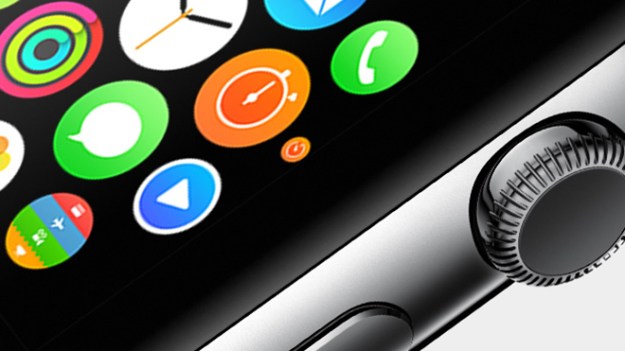
Instead of interfacing with the watch by touching the screen, which just gets your fingers in the way and blocks your view, you can navigate through the menus and apps by touching the crown. Twist it to zoom in and out of screens and menus. Press it and you go back to the home screen (just like on the iPhone).

There’s an additional button just beneath the crown. Tapping it brings up something Apple calls “Digital Touch” communication. It’s based around a list of friends you’ve communicated with recently. You can send small pictures and sketches to your friends with just a few taps.

The screen itself works much like a Retina display on iPhones and iPads, but it can also sense force. So the familiar two-dimensional touch input system gains a third, vertical dimension.


AppleWatchSensorClose

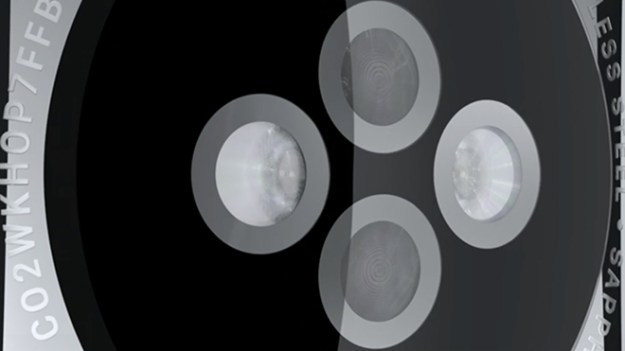
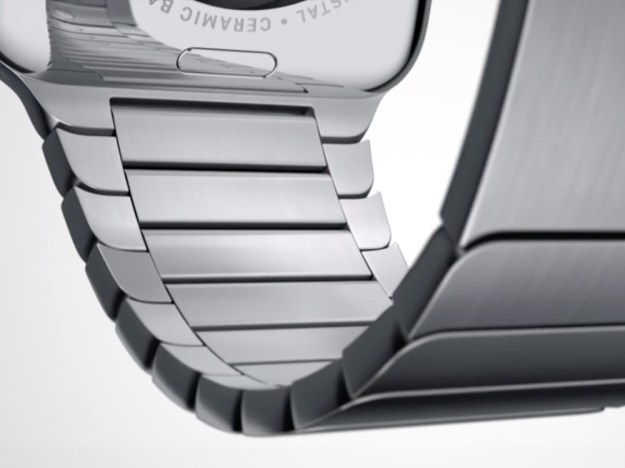
On the back, there’s a crystal with LEDs that can measure your heart rate—this adds health-tracking capability to the watch. Also on the back is a wireless, inductive charging mechanism. The charger attaches to the back of the watch via a magnet. There’s also vibrating mechanism on the back so you can get notifications and haptic feedback for each of your finger taps.

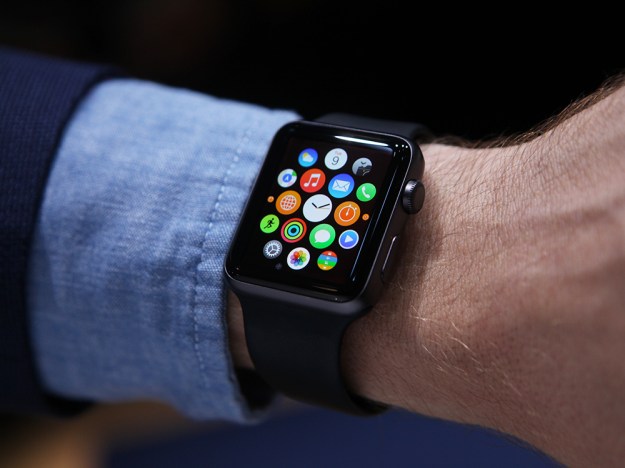
Raising your wrist awakens the display. When it pops to life, you see a simplified list of apps made just for the watch. There are also several watch faces to choose from. You get sporty, chrono-style faces, retro digital readouts, and even a whimsical Mickey Mouse face. You can customize the color of the face by rotating the crown, or swipe to change the contents of the face so it shows the date and other fields of information on its screen.

AppleWatchGold

There are some health-tracking features to help you make your fitness goals for steps, calories burned, and so on. The watch also works with Apple Pay, the company’s new mobile payments system.

“We’ve been working on Apple watch for a long time,” Cook says. “It covered every discipline at Apple.”

AppleWatchMetal2

Kevin Lynch, a new face on Apple’s media event stage who led the software effort, stepped onstage in Cupertino to give us the first live demo of the watch.

Apple wanted to build the watch so functions were easy to find and use. The menu screens are bubbles of circular app icons you can arrange how you like. You can arrange “neighborhoods” of apps. To open an app, you tap it.


AppleWatchApple


Apple also thought it was important to relay other information in a glanceable way. It does this using a new interaction it calls Glances, a swipe up from the bottom of the watch face. You can arrange these how you like, swapping through the water, the music you’re playing on other devices, et cetera. You can also send some sort of silly 3-D animated smiley face, allowing you to share a lot of emotion without doing a whole lot.

AppleWatchHomeButtonClose

Siri is also built into the watch, so you can do things like ask what movies are playing tonight. You can use the crown or your finger to scroll through the list. There’s also a photo app. You can see an overview of photos, displayed in a grid-like Photostream, and you can use the crown to zoom into them, or swipe to scroll through them. You can pull up any collection of photos here.

AppleWatchGold2

In a map, you can pan around by swiping, you can also zoom out by rotating the crown. When you press the bottom left, it takes you back to where you are. There’s also a search command, you can search by diction or look through your favorites. Search a location like Whole Foods, you can get store information as well as directions for walking or driving.

AppleWatchWristApps

A big key to whether the watch succeeds or fails is the buy-in of third-party developers. Using the new development software pack called WatchKit, developers can create rich, actionable notifications for the device. Apple has been busy with partnerships and client applications for the launch, as well. The watch can alert you to friend requests on Facebook. Twitter’s there too. For an incoming tweet, you can reply straight from the message. You can view things on your timeline, look at trending tweets, or tap the top to compose a tweet. For when you’re traveling, American Airlines has an app. You can even unlock hotel room doors at some hotels using the watch. You can also get notified when you’re walking near sight seeing spots you’ve pinned on Pinterest and get walking directions to them. The watch works with BMW cars, you can challenge friends to runs on the Nike app, and you can control things in your home using the Honeywell app.

AppleWatchFemale


Source: http://www.wired.com/2014/09/apples-new-wearable

IPhone 6 and Iphone 6 Plus hitting the stores September 19 2014

Meet Apple’s Super-Sized iPhone 6 and iPhone 6 Plus

iphone6

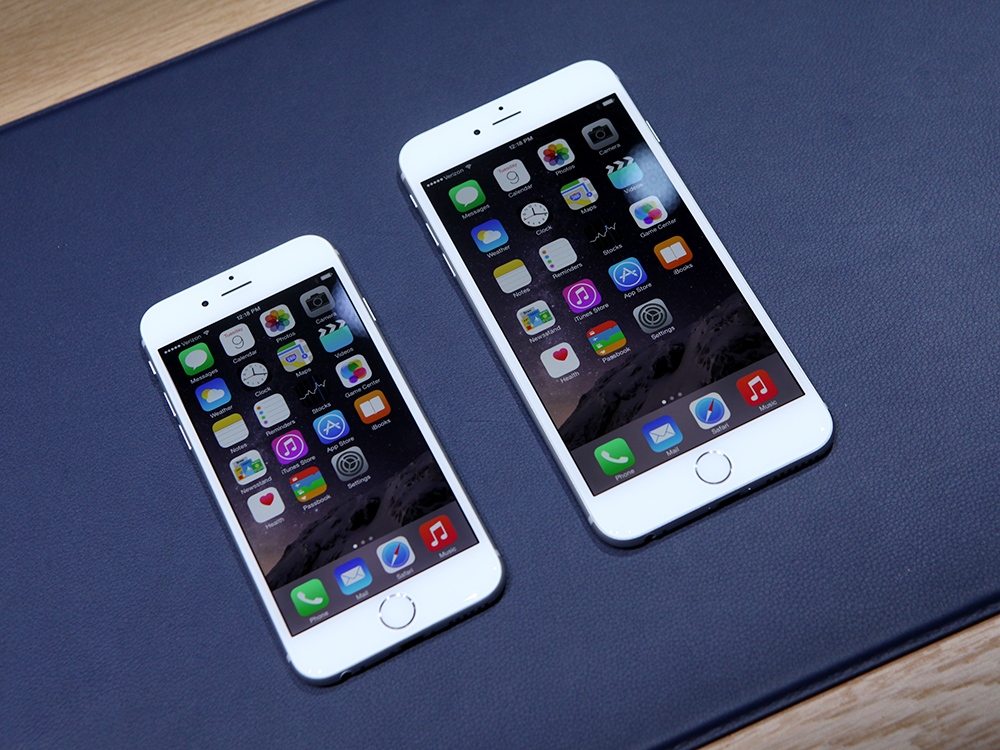
As foretold by the rumors, Apple announced two new larger iPhone models today: the iPhone 6 and iPhone 6 Plus. Sized at 4.7-inches and 5.5-inches respectively, the phones sport a slick new style and landmark new features.

The iPhone 6 is priced at $200 for 16 GB, $300 for 64 GB, and $400 for 128 GB, with a two year contract. The larger iPhone 6 Plus commands a premium: $300 for 16 GB, $400 for 64 GB, and $500 for 128 GB. Both phones come in silver, gold, and black.

Pre-orders start this Friday, September 12, and the phones go on sale Friday the 19th.

Both phones sport new designs. The iPhone 6 and 6 Plus, with their larger displays, now feel reminiscent of a miniature iPad. The rear of each device is smooth brushed anodized aluminum that curves softly into its glass front face rather than being completely flat on the back with largely squared-off edges—the look the past four iPhones adopted. On the front, you’ve also got the familiar Touch ID home button.

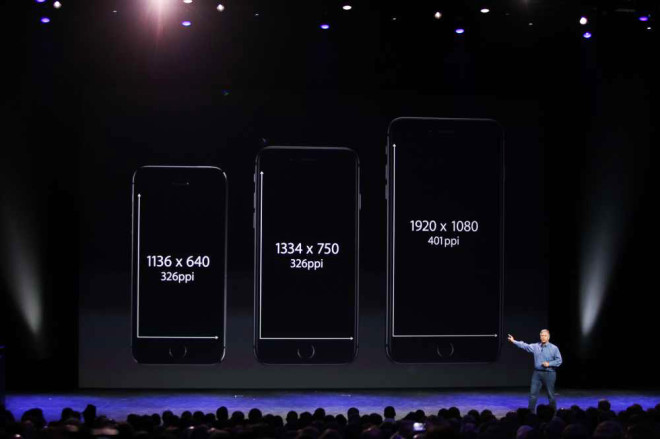
The iPhone 6 has a 1334×750 display, the 6 Plus 1920×1080 display. That’s over 1 million pixels on the iPhone 6 and over 2 million on the iPhone 6 plus. These new display sizes use a new generation of Retina display Apple is calling Retina HD. The new reengineered displays use ion-strengthened glass on top, and on the bottom, an ultrathin backlight. Even with the larger display, Apple is promising the iPhone 6 and iPhone 6 Plus will have equal or better battery life than the last generation of iPhones.

apple-event-140909-Iphone6Sizecomparision


To use these big-screened phones, Apple’s introduced a few new software tricks to iOS. In the iPhone 6 Plus, the Messages app has a new horizontal split display. Stocks also has a two panel horizontal view, as does Mail. The keyboard takes advantage of the display area, too, and there’s a new horizontal homescreen view. These views obviously make better use of the increased screen real estate, but I wonder how easy it is to use with your fingers as you type.

You can also use swiping gestures for navigation in Mail, Messages, and Safari. There’s also a new gesture called reachability: If you double touch the home button, the display slides down so you can reach things at the top of the display without having to readjust your hand. This seems like a better solution than Samsung’s one-handed mode, but it’s still kind of awkward that it’s necessary.

Both phones will ship with iOS 8. Software updates will go out to older iPhones (the 4S and later) on September 17.

On the iPhone 6 line, Apple updated the camera hardware and software. Apple’s using a 8-megapixel camera with a f/2.2 aperture. There’s also a new sensor inside that’s an improvement over previous iPhone cameras, and a faster auto-focus. There’s the standard digital image stabilization at work in both phones, but in the bigger iPhone 6 Plus, there’s also an optical image stabilization system that uses the phone’s gyroscope and M8 processor to cancel out movements and shaking hands. Video is stabilized too, and there’s a new slow-mo mode that shoots at 240 fps.

Inside, a new A8 processor promises to keep things humming faster than any iPhone before, and the M8 chip has improved performance for motion-sensing and health-tracking. Working along side these updated processors is a new sensor: a barometer.

Source: http://www.wired.com/2014/09/apple-iphone-6-announced

Apples Pay Day

Apple’s New Mobile Wallet Lets You Pay With a Tap of Your iPhone, Wired Online, 9.9.2014

applepayday

„Apple’s new payment system Apple Pay lets people pay merchants using their iPhones. All of the major credit cards—American Express, MasterCard, and Visa—are on board, and will be accepted by more than 220,000 merchants at launch.

Using Apple Pay couldn’t be easier—simply tap your iPhone at a payment terminal. Apple CEO Tim Cook conceded that Apple isn’t the first to attempt replacing the card-based payment system we’ve known for decades, but so far no one’s had much luck.

“People have dreamed of replacing these for years,” Cook said. “But most have been a disappointment or not yet worked well enough for mainstream adoption.”

Instead of a card, Apple Pay uses the iPhone 6, the larger iPhone 6 Plus and the Apple Watch announced today. Want to make a payment? Tap your phone at a retailer’s payment terminal. The phone uses a combination of NFC, Touch ID, and a secure chip called the Secure Element to complete the payment. To add a card, simply snap a pic of it using the iPhone’s camera. After verifying with your bank, the card is added to Passbook. Apple doesn’t store the number, or transfer it to the merchant during a transaction. Instead, it has a device number that’s relayed during payments along with a dynamic security code. If you lose your iPhone, you can use Find My iPhone to suspend payments for that device without having to cancel your credit card.

Apple says that the banks included in Apple Pay make up 83 percent of all credit card purchases in the U.S., and it will be accepted by more than 220,000 retailers. Apple specifically called out Macy’s, Bloomingdales, Walgreens, Staples, McDonalds, and Whole Foods.“

Source: http://www.wired.com/2014/09/apple-pay/

Auf den Spuren von Steve Jobs: “Stay hungry, stay foolish”

Auf den Spuren von Steve Jobs: “Stay hungry, stay foolish”


Steve Jobs erzählt in seiner Rede drei Geschichten, in der deutschen Übersetzung, am Ende des Artikels könnt ihr euch das Video zur Rede im Originalton ansehen.

“Stay hungry, stay foolish” – “Bleibt hungrig, bleibt verrückt”

Es ist mir eine grosse Ehre, zur Feier Ihres Abschlusses an einer der besten Universitäten der Welt heute zu Ihnen sprechen zu dürfen. Ich habe keinen Studienabschluss. Aber ich muss sagen, für mich kommt dieser Tag einem Abschluss sehr nahe. Ich möchte Ihnen heute drei Geschichten aus meinem Leben erzählen. Nichts Besonderes, einfach drei Geschichten.

Die erste handelt davon, eine Verbindungslinie zwischen den Punkten zu ziehen.

Ich habe das Studium am Reed College schon nach sechs Monaten hingeworfen, blieb aber noch anderthalb Jahre, bevor ich endgültig ging. Warum eigentlich?

Das reicht zurück in die Zeit vor meiner Geburt. Meine biologische Mutter war eine junge, unverheiratete Studentin, die beschlossen hatte, mich zur Adoption freizugeben. Ihr war es sehr wichtig, dass ich von studierten Leuten adoptiert würde. Ein Rechtsanwalt und seine Frau waren bereit, alles wurde in die Wege geleitet. Doch in letzter Minute erklärten die beiden, dass ihnen ein Mädchen lieber sei. Meine Eltern, die auf einer Warteliste standen, erhielten mitten in der Nacht einen Anruf: «Wir haben ganz überraschend einen kleinen Jungen, sind Sie interessiert?» Sie antworteten: «Ja, natürlich.» Meine biologische Mutter fand später heraus, dass meine Mutter keinen Uni-Abschluss und mein Vater keinen Highschool-Abschluss hatte. Sie weigerte sich, die Adoptionspapiere zu unterschreiben. Erst ein paar Monate später lenkte sie ein, als meine Eltern ihr versprachen, dass ich eines Tages studieren würde.

Und siebzehn Jahre später war es dann tatsächlich so weit. Aber naiverweise suchte ich mir ein College, das fast so teuer wie Stanford war, und alle Ersparnisse meiner Eltern, einfacher Leute, gingen für mein Studium drauf. Nach sechs Monaten wusste ich nicht mehr, wozu das alles gut sein sollte. Ich hatte keine Ahnung, was ich mit meinem Leben anfangen wollte und inwiefern mir das College helfen würde, eine Antwort zu finden. Und gab dabei das ganze Geld aus, das meine Eltern in ihrem Leben zusammengespart hatten. Ich beschloss, das Studium abzubrechen und darauf zu vertrauen, dass schon alles gut werde. Damals war ich verunsichert, aber aus heutiger Sicht muss ich sagen, dass es eine der besten Entscheidungen war, die ich je getroffen habe. Kaum hatte ich beschlossen, mein Studium hinzuschmeissen, brauchte ich die ganzen uninteressanten Sachen nicht mehr zu lernen und konnte in die Kurse gehen, die mich interessierten.

Es war alles andere als romantisch. Ich schlief bei Freunden auf dem Fussboden, weil ich kein Zimmer im Wohnheim hatte. Von dem Pfand, das ich für leere Cola-Flaschen bekam, kaufte ich mir etwas zu essen, und jeden Sonntagabend bin ich zehn Kilometer durch die ganze Stadt gelaufen, um einmal in der Woche im Hare-Krishna-Tempel eine anständige Mahlzeit zu bekommen. Ich fühlte mich wohl. Und vieles, was mir dank Neugier und Intuition über den Weg kam, erwies sich später als unschätzbar. Um nur ein Beispiel zu nennen:

Am Reed College gab es damals den vielleicht besten Kalligrafie-Kurs im ganzen Land. Jedes Plakat auf dem Campus, jedes Etikett war schön beschriftet. Weil ich ausgestiegen war und nicht an den üblichen Pflichtkursen teilnehmen musste, beschloss ich, mich mit Kalligrafie zu beschäftigen. Ich erfuhr etwas über Serifenschriften und serifenlose Schriften, über die unterschiedlichen Zwischenräume zwischen verschiedenen Buchstabenkombinationen, ich lernte, was wirklich gute Typografie ausmacht. Das war schön, historisch informativ und von einer Ästhetik, der man in den Naturwissenschaften nicht begegnet. Ich war fasziniert.

Von einer praktischen Anwendung schien das meilenweit entfernt zu sein. Aber zehn Jahre später, als wir den ersten Macintosh-Computer entwickelten, war alles wieder da. Und wir packten alles in den Mac. Es war der erste Computer mit schöner Typografie. Hätte ich diesen einen Kurs nicht besucht, hätte es beim Mac nie verschiedene Schrifttypen oder Proportionalschriften gegeben. Und da Windows einfach den Mac kopierte, hätte es das vermutlich auch nicht bei Personalcomputern gegeben. Wenn ich nicht ausgestiegen wäre, hätte ich nie diesen Kalligrafiekurs besucht, und Personalcomputer hätten nicht die schöne Typografie. Natürlich war es unmöglich, schon auf dem College die Punkte miteinander zu verbinden. Aber zehn Jahre später, im Rückblick, war alles ganz klar.

Noch einmal: Man kann die Punkte nicht verbinden, wenn man sie vor sich hat. Die Verbindung ergibt sich erst im Nachhinein. Man muss also darauf vertrauen, dass sich die Punkte irgendwann einmal zusammenfügen. Man muss an etwas glauben – Intuition, Schicksal, Leben, Karma, was immer. Diese Haltung hat mich nie enttäuscht, sie hat mein Leben entscheidend geprägt.

Die zweite Geschichte handelt von Liebe und Verlust.

Ich hatte Glück – ich habe schon früh herausgefunden, was ich gern machen wollte. Ich war zwanzig, als Woz [Anm.: Steve Wozniak] und ich in der Garage meiner Eltern mit Apple anfingen. Wir haben hart gearbeitet, und nach zehn Jahren war Apple von zwei Leuten in einer Garage angewachsen auf ein Zwei-Milliarden-Dollar-Unternehmen mit über 4000 Mitarbeitern. Im Jahr zuvor hatten wir unser bestes Produkt vorgestellt, den Macintosh, und ich war gerade dreissig geworden. Und dann wurde ich entlassen. Wie kann man aus seiner eigenen Firma fliegen? Nun ja, mit wachsendem Erfolg bei Apple stellten wir jemanden ein, der mir sehr geeignet erschien, das Unternehmen gemeinsam mit mir zu führen, und im ersten Jahr funktionierte es auch recht gut. Doch allmählich gingen unsere Vorstellungen auseinander, und schliesslich kam es zu Streit. In der Situation stellte sich unser Verwaltungsrat auf seine Seite. Mit dreissig war ich also entlassen. Und zwar sehr öffentlich entlassen. Der Inhalt meines ganzen Arbeitslebens war auf einmal weg. Es war niederschmetternd.

Eine ganze Weile wusste ich wirklich nicht, wie es weitergehen sollte. Ich sagte mir, dass ich die ältere Unternehmergeneration enttäuscht hatte, dass ich den Stab hatte fallen lassen, der mir gerade übergeben worden war. Ich setzte mich mit David Packard und Bob Noyce zusammen, wollte mich entschuldigen. Ich war gescheitert, öffentlich gescheitert und überlegte sogar, wegzugehen. Aber irgendwie stellte ich fest, dass mir meine Arbeit noch immer am Herzen lag. Die Entwicklung bei Apple hatte daran überhaupt nichts geändert.
Man hatte mich rausgeworfen, aber ich brannte noch immer. Und so beschloss ich, neu anzufangen.

Damals war mir das nicht klar, aber es zeigte sich, dass diese Entlassung das Beste war, was mir je passieren konnte. Statt der Bürde des Erfolgs erlebte ich wieder die Leichtigkeit des Anfängers, der unsicher sein darf. Es gab mir die Freiheit, eine der schöpferischsten Phasen meines Lebens zu beginnen.

In den nächsten fünf Jahren gründete ich Next, ich gründete Pixar und verliebte mich in eine wunderbare Frau, die dann meine Ehefrau wurde. Pixar produzierte den ersten computeranimierten Spielfilm, «Toy Story», und ist heute das weltweit erfolgreichste Zeichentrickfilmstudio. Dann, in einer erstaunlichen Wendung, wurde Next von Apple gekauft, ich kehrte zu Apple zurück, und die Technologie, die wir bei Next entwickelt hatten, ist der Kern der gegenwärtigen Apple-Renaissance. Und Laurene und ich haben eine wunderbare Familie.

All das wäre gewiss nicht passiert, wenn Apple mich damals nicht gefeuert hätte. Es war eine bittere Arznei, aber vermutlich brauchte sie der Patient. Manchmal knallt einem das Leben etwas an den Kopf. Dann darf man nicht das Vertrauen verlieren. Weitergemacht habe ich wohl nur deswegen, weil es mir Spass gemacht hat. Man muss herausfinden, was einem wichtig ist. Das gilt für die Arbeit wie für Liebesbeziehungen. Die Arbeit wird einen Grossteil Ihres Lebens einnehmen, aber wirklich erfüllt ist man nur, wenn man weiss, dass es etwas wirklich Grosses ist. Und das geht nur, wenn man seine Arbeit liebt. Wenn Sie noch nichts gefunden haben, suchen Sie weiter. Arrangieren Sie sich nicht. Wie bei allen Herzensangelegenheiten weiss man, dass es das Richtige ist, wenn man es gefunden hat. Und wie bei jeder wichtigen Beziehung wird es mit den Jahren immer besser. Suchen Sie also so lange, bis Sie das Richtige gefunden haben. Arrangieren Sie sich nicht.

Meine dritte Geschichte handelt vom Tod.

Als ich 17 war, las ich einen Satz, der etwa so ging: «Wenn man jeden Tag lebt, als wäre es der letzte, wird man irgendwann recht haben.» Das hat mich beeindruckt, und seitdem habe ich jeden Morgen in den Spiegel geschaut und mich gefragt: Wenn heute mein letzter Tag wäre, würde ich dann tun wollen, was ich heute tun werde? Und wenn ich allzu oft mit Nein antwortete, dann wusste ich, dass ich etwas ändern musste.

Die Überlegung, dass ich bald tot sein werde, ist für mich die wichtigste Hilfe bei den wirklich grossen Entscheidungen im Leben. Denn fast alles – anderer Leute Erwartungen, Stolz, Versagensangst – wird im Angesicht des Todes unwichtig, es bleibt nur, was wirklich wichtig ist. Wer bedenkt, dass er sterben wird, fällt nicht der Illusion anheim, er habe etwas zu verlieren. Man ist sowieso nackt. Es gibt keinen Grund, nicht der Stimme des Herzens zu folgen. Vor etwa einem Jahr wurde bei mir Krebs diagnostiziert. Morgens um halb acht wurde der Scan gemacht, der Tumor in der Bauchspeicheldrüse war unübersehbar. Ich wusste nicht einmal, was die Bauchspeicheldrüse ist. Die Ärzte meinten, es sei höchstwahrscheinlich ein unheilbarer Tumor, sie gaben
mir höchstens drei bis sechs Monate. Mein Arzt riet mir, nach Hause zu gehen und alles zu regeln, was im medizinischen Jargon nichts anderes heisst als: Richte dich auf den Tod ein. Es heisst, seinen Kindern in wenigen Monaten all das zu erzählen, wofür man eigentlich geglaubt hatte, noch zehn Jahre Zeit zu haben. Es heisst, alles zu regeln, so dass es für die Familie möglichst leicht ist. Es heisst, allen Lebewohl zu sagen.

Mit dieser Diagnose habe ich den Tag verbracht. Abends hatte ich eine Biopsie. Dabei wird ein Endoskop durch Schlund und Magen bis in den Darm geführt, mit einer Nadel werden der Bauchspeicheldrüse ein paar Tumorzellen entnommen. Ich war betäubt, aber meine Frau berichtete mir, dass die Ärzte weinten, als sie unter dem Mikroskop feststellten, dass es eine sehr seltene, therapierbare Form von Pankreaskrebs war. Ich wurde operiert, heute geht es mir gut.

So nahe war ich dem Tod noch nie gewesen, und ich hoffe, dabei bleibt
es noch ein paar Jahrzehnte. Heute, nachdem ich das überstanden habe, kann ich mit etwas mehr Gewissheit sagen als damals, als der Tod eine nützliche, aber rein intellektuelle Vorstellung war:

Niemand stirbt gern. Selbst diejenigen, die in den Himmel wollen, möchten deswegen nicht sterben. Und doch ist der Tod unser aller Schicksal. Niemand entkommt ihm. Und so soll es auch sein, denn der Tod ist vermutlich die beste Erfindung des Lebens. Er ist der Motor des Wandels. Er räumt mit Altem auf, um Platz zu schaffen für Neues. Heute sind Sie das Neue, aber irgendwann werden Sie die Alten sein und abtreten. Entschuldigen Sie diese drastische Formulierung, aber so ist es nun einmal.

Ihre Zeit ist begrenzt, also vergeuden Sie sie nicht, indem Sie ein fremdbestimmtes Leben führen. Hüten Sie sich vor Dogmen, denn das heisst nichts anderes, als sein Leben an den Ansichten anderer Leute auszurichten. Sehen Sie zu, dass der Lärm fremder Meinungen nicht Ihre innere Stimme übertönt. Und vor allem: Haben Sie den Mut, Ihrem Herzen und Ihrer Intuition zu folgen. Die beiden wissen schon, was Sie wirklich werden wollen. Alles andere ist sekundär.

In meiner Jugend gab es ein bemerkenswertes Buch, es hiess «The Whole Earth Catalog» und war eine der Bibeln für meine Generation. Geschrieben hatte es ein gewisser Stewart Brand, nicht weit von hier, in Menlo Park, und er brachte es mit seiner poetischen Ader zum Leben. Das war in den späten 1960er Jahren, vor Personalcomputer und Desktop Publishing, alles wurde mit Schreibmaschine, Schere und Polaroidkamera gemacht. Es war so etwas wie Google in Taschenbuchform, 35 Jahre vor Google – idealistisch, voller nützlicher Dinge und guter Ideen.

Stewart und sein Team brachten mehrere Auflagen heraus, und als das Buch seinen Weg gemacht hatte, gab es noch eine allerletzte Auflage. Das war Mitte der 1970er Jahre, ich war so alt wie Sie. Auf dem Umschlag der letzten Auflage war hinten eine Foto einer Landstrasse im frühen Morgenlicht, wie man das vielleicht erlebt, wenn man als unternehmungslustiger Tramper unterwegs ist. Darunter standen die Worte: «Bleibt hungrig, bleibt verrückt.» Das war die Abschiedsbotschaft. Bleibt hungrig, bleibt verrückt. Ich habe mir das immer für mich selbst gewünscht. Und heute, da Sie vor einem neuen Lebensabschnitt stehen, ist das mein Wunsch für Sie.

Bleibt hungrig, bleibt verrückt.
Vielen Dank.

Quelle: http://www.apfellike.com/2014/05/auf-den-spuren-von-steve-jobs-folge-3/


Siri’s Inventors Are Building a New Artificial Intelligence That Does Anything You Ask

Siri14_1

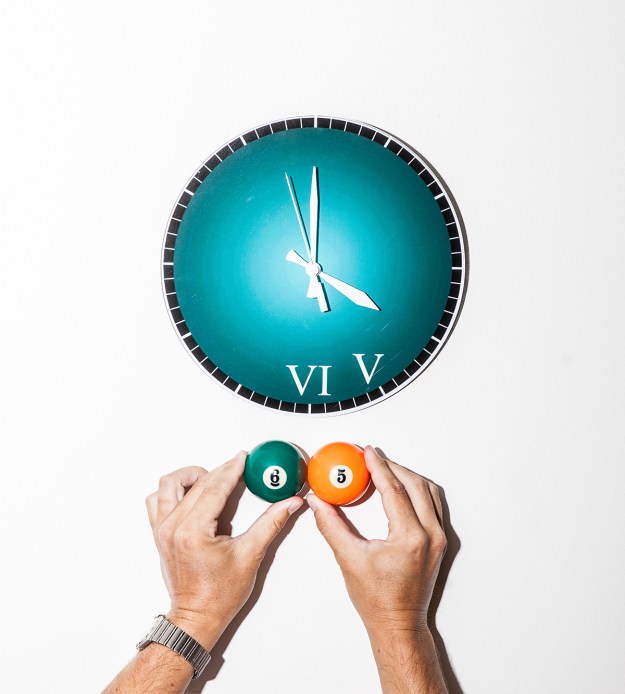
Viv was named after the Latin root meaning live. Its San Jose, California, offices are decorated with tsotchkes bearing the numbers six and five (VI and V in roman numerals). Ariel Zambelich

When Apple announced the iPhone 4S on October 4, 2011, the headlines were not about its speedy A5 chip or improved camera. Instead they focused on an unusual new feature: an intelligent assistant, dubbed Siri. At first Siri, endowed with a female voice, seemed almost human in the way she understood what you said to her and responded, an advance in artificial intelligence that seemed to place us on a fast track to the Singularity. She was brilliant at fulfilling certain requests, like “Can you set the alarm for 6:30?” or “Call Diane’s mobile phone.” And she had a personality: If you asked her if there was a God, she would demur with deft wisdom. “My policy is the separation of spirit and silicon,” she’d say.

Over the next few months, however, Siri’s limitations became apparent. Ask her to book a plane trip and she would point to travel websites—but she wouldn’t give flight options, let alone secure you a seat. Ask her to buy a copy of Lee Child’s new book and she would draw a blank, despite the fact that Apple sells it. Though Apple has since extended Siri’s powers—to make an OpenTable restaurant reservation, for example—she still can’t do something as simple as booking a table on the next available night in your schedule. She knows how to check your calendar and she knows how to use Open­Table. But putting those things together is, at the moment, beyond her.

Now a small team of engineers at a stealth startup called Viv Labs claims to be on the verge of realizing an advanced form of AI that removes those limitations. Whereas Siri can only perform tasks that Apple engineers explicitly implement, this new program, they say, will be able to teach itself, giving it almost limitless capabilities. In time, they assert, their creation will be able to use your personal preferences and a near-infinite web of connections to answer almost any query and perform almost any function.

“Siri is chapter one of a much longer, bigger story,” says Dag Kittlaus, one of Viv’s cofounders. He should know. Before working on Viv, he helped create Siri. So did his fellow cofounders, Adam Cheyer and Chris Brigham.

For the past two years, the team has been working on Viv Labs’ product—also named Viv, after the Latin root meaning live. Their project has been draped in secrecy, but the few outsiders who have gotten a look speak about it in rapturous terms. “The vision is very significant,” says Oren Etzioni, a renowned AI expert who heads the Allen Institute for Artificial Intelligence. “If this team is successful, we are looking at the future of intelligent agents and a multibillion-dollar industry.”

Viv is not the only company competing for a share of those billions. The field of artificial intelligence has become the scene of a frantic corporate arms race, with Internet giants snapping up AI startups and talent. Google recently paid a reported $500 million for the UK deep-learning company DeepMind and has lured AI legends Geoffrey Hinton and Ray Kurzweil to its headquarters in Mountain View, California. Facebook has its own deep-learning group, led by prize hire Yann LeCun from New York University. Their goal is to build a new generation of AI that can process massive troves of data to predict and fulfill our desires.

Viv strives to be the first consumer-friendly assistant that truly achieves that promise. It wants to be not only blindingly smart and infinitely flexible but omnipresent. Viv’s creators hope that some day soon it will be embedded in a plethora of Internet-connected everyday objects. Viv founders say you’ll access its artificial intelligence as a utility, the way you draw on electricity. Simply by speaking, you will connect to what they are calling “a global brain.” And that brain can help power a million different apps and devices.

“I’m extremely proud of Siri and the impact it’s had on the world, but in many ways it could have been more,” Cheyer says. “Now I want to do something bigger than mobile, bigger than consumer, bigger than desktop or enterprise. I want to do something that could fundamentally change the way software is built.”

Viv labs is tucked behind an unmarked door on a middle floor of a generic glass office building in downtown San Jose. Visitors enter into a small suite and walk past a pool table to get to the single conference room, glimpsing on the way a handful of engineers staring into monitors on trestle tables. Once in the meeting room, Kittlaus—a product-whisperer whose career includes stints at Motorola and Apple—is usually the one to start things off.

He acknowledges that an abundance of voice-navigated systems already exists. In addition to Siri, there is Google Now, which can anticipate some of your needs, alerting you, for example, that you should leave 15 minutes sooner for the airport because of traffic delays. Microsoft, which has been pursuing machine-learning techniques for decades, recently came out with a Siri-like system called Cortana. Amazon uses voice technology in its Fire TV product.

But Kittlaus points out that all of these services are strictly limited. Cheyer elaborates: “Google Now has a huge knowledge graph—you can ask questions like ‘Where was Abraham Lincoln born?’ And it can name the city. You can also say, ‘What is the population?’ of a city and it’ll bring up a chart and answer. But you cannot say, ‘What is the population of the city where Abraham Lincoln was born?’” The system may have the data for both these components, but it has no ability to put them together, either to answer a query or to make a smart suggestion. Like Siri, it can’t do anything that coders haven’t explicitly programmed it to do.

Viv breaks through those constraints by generating its own code on the fly, no programmers required. Take a complicated command like “Give me a flight to Dallas with a seat that Shaq could fit in.” Viv will parse the sentence and then it will perform its best trick: automatically generating a quick, efficient program to link third-party sources of information together—say, Kayak, SeatGuru, and the NBA media guide—so it can identify available flights with lots of legroom. And it can do all of this in a fraction of a second.

Viv is an open system that will let innumerable businesses and applications become part of its boundless brain. The technical barriers are minimal, requiring brief “training” (in some cases, minutes) for Viv to understand the jargon of the specific topic. As Viv’s knowledge grows, so will its understanding; its creators have designed it based on three principles they call its “pillars”: It will be taught by the world, it will know more than it is taught, and it will learn something every day. As with other AI products, that teaching involves using sophisticated algorithms to interpret the language and behavior of people using the system—the more people use it, the smarter it gets. By knowing who its users are and which services they interact with, Viv can sift through that vast trove of data and find new ways to connect and manipulate the information.

Kittlaus says the end result will be a digital assistant who knows what you want before you ask for it. He envisions someone unsteadily holding a phone to his mouth outside a dive bar at 2 am and saying, “I’m drunk.” Without any elaboration, Viv would contact the user’s preferred car service, dispatch it to the address where he’s half passed out, and direct the driver to take him home. No further consciousness required.
Siri14_2

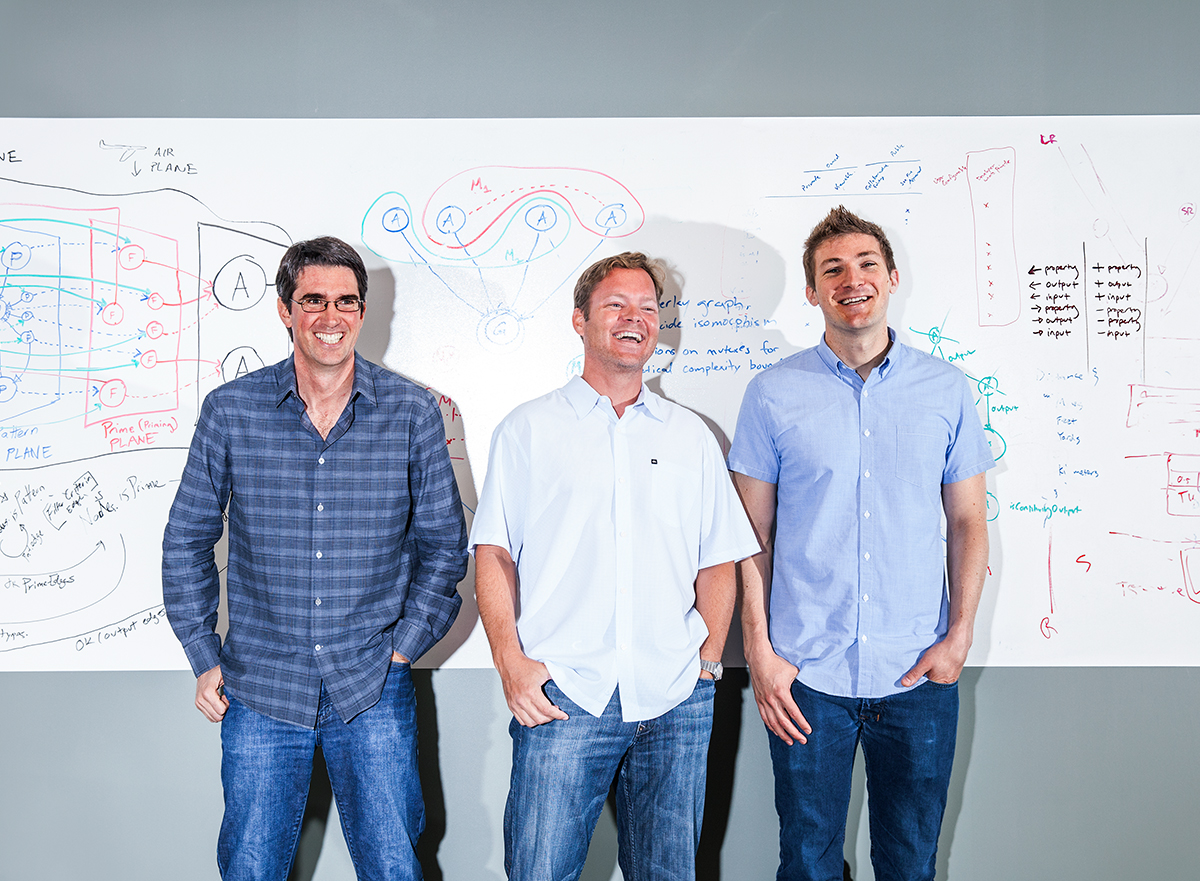
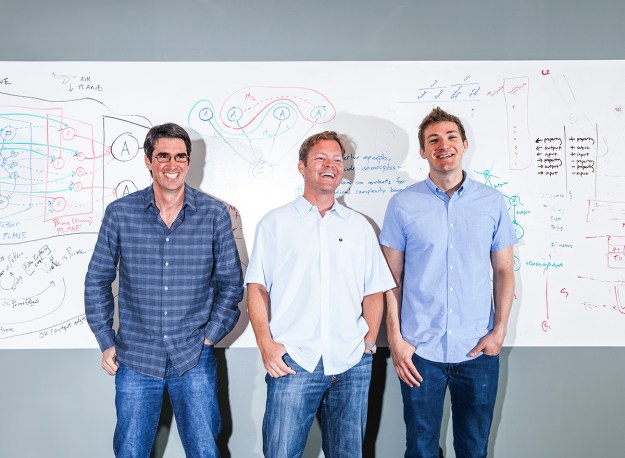
The founders of a stealth startup called Viv Labs—Adam Cheyer, Dag Kittlaus, and Chris Brigham—are building a Siri-like digital assistant that can process massive troves of data, teach itself, and write its own programs on the fly. The goal: to predict and fulfill our desires. Ariel Zambelich

If Kittlaus is in some ways the Steve Jobs of Viv—he is the only non-engineer on the 10-person team and its main voice on strategy and marketing—Cheyer is the company’s Steve Wozniak, the project’s key scientific mind. Unlike the whimsical creator of the Apple II, though, Cheyer is aggressively analytical in every facet of his life, even beyond the workbench. As a kid, he was a Rubik’s Cube champion, averaging 26 seconds a solution. When he encountered programming, he dove in headfirst. “I felt that computers were invented for me,” he says. And while in high school he discovered a regimen to force the world to bend to his will. “I live my life by what I call verbally stated goals,” he says. “I crystallize a feeling, a need, into words. I think about the words, and I tell everyone I meet, ‘This is what I’m doing.’ I say it, and then I believe it. By telling people, you’re committed to it, and they help you. And it works. ”

He says he used the technique to land his early computing jobs, including the most significant—at SRI International, a Menlo Park think tank that invented the concept of computer windows and the mouse. It was there, in the early 2000s, that Cheyer led the engineering of a Darpa-backed AI effort to build “a humanlike system that could sense the world, understand it, reason about it, plan, communicate, and act.” The SRI-led team built what it called a Cognitive Assistant that Learns and Organizes, or CALO. They set some AI high-water marks, not least being the system’s ability to understand natural language. As the five-year program wound down, it was unclear what would happen next.

That was when Kittlaus, who had quit his job at Motorola, showed up at SRI as an entrepreneur in residence. When he saw a CALO-related prototype, he told Cheyer he could definitely build a business from it, calling it the perfect complement to the just-released iPhone. In 2007, with SRI’s blessing, they licensed the technology for a startup, taking on a third cofounder, an AI expert named Tom Gruber, and eventually renaming the system Siri.

The small team, which grew to include Chris Brigham, an engineer who had impressed Cheyer on CALO, moved to San Jose and worked for two years to get things right. “One of the hardest parts was the natural language understanding,” Cheyer says. Ultimately they had an iPhone app that could perform a host of interesting tasks—call a cab, book a table, get movie tickets—and carry on a conversation with brio. They released it publicly to users in February 2010. Three weeks later, Steve Jobs called. He wanted to buy the company.

“I was shocked at how well he knew our app,” Cheyer says. At first they declined to sell, but Jobs persisted. His winning argument was that Apple could expose Siri to a far wider audience than a startup could reach. He promised to promote it as a key element on every iPhone. Apple bought the company in April 2010 for a reported $200 million.

The core Siri team came to Apple with the project. But as Siri was honed into a product that millions could use in multiple languages, some members of the original team reportedly had difficulties with executives who were less respectful of their vision than Jobs was. Kitt­laus left Apple the day after the launch—the day Steve Jobs died. Cheyer departed several months later. “I do feel if Steve were alive, I would still be at Apple,” Cheyer says. “I’ll leave it at that.” (Gruber, the third Siri cofounder, remains at Apple.)

After several months, Kittlaus got back in touch with Cheyer and Brigham. They asked one another what they thought the world would be like in five years. As they drew ideas on a whiteboard in Kittlaus’ house, Brigham brought up the idea of a program that could put the things it knows together in new ways. As talks continued, they lit on the concept of a cloud-based intelligence, a global brain. “The only way to make this ubiquitous conversational assistant is to open it up to third parties to allow everyone to plug into it,” Brigham says.

In retrospect, they were re-creating Siri as it might have evolved had Apple never bought it. Before the sale, Siri had partnered with around 45 services, from AllMenus.com to Yahoo; Apple had rolled Siri out with less than half a dozen. “Siri in 2014 is less capable than it was in 2010,” says Gary Morgenthaler, one of the funders of the original app.

Cheyer and Brigham tapped experts in various AI and coding niches to fill out their small group. To produce some of the toughest parts—the architecture to allow Viv to understand language and write its own programs—they brought in Mark Gabel from the University of Texas at Dallas. Another key hire was David Gondek, one of the creators of IBM’S Watson.

Funding came from Solina Chau, the partner (in business and otherwise) of the richest man in China, Li Ka-shing. Chau runs the venture firm Horizons Ventures. In addition to investing in Facebook, DeepMind, and
Summly (bought by Yahoo), it helped fund the original Siri. When Viv’s founders asked Chau for $10 million, she said, “I’m in. Do you want me to wire it now?”

It’s early May, and Kittlaus is addressing the team at its weekly engineering meeting. “You can see the progress,” he tells the group, “see it get closer to the point where it just works.” Each engineer delineates the advances they’ve made and next steps. One explains how he has been refining Viv’s response to “Get me a ticket to the cheapest flight from SFO to Charles de Gaulle on July 2, with a return flight the following Monday.” In the past week, the engineer added an airplane-seating database. Using a laptop-based prototype of Viv that displays a virtual phone screen, he speaks into the microphone. Lufthansa Flight 455 fits the bill. “Seat 61G is available according to your preferences,” Viv replies, then purchases the seat using a credit card.

Viv’s founders don’t see it as just one product tied to a hardware manufacturer. They see it as a service that can be licensed. They imagine that everyone from TV manufacturers and car companies to app developers will want to incorporate Viv’s AI, just as PC manufacturers once clamored to boast of their Intel microprocessors. They envision its icon joining the pantheon of familiar symbols like Power On, Wi-Fi, and Bluetooth.

“Intelligence becomes a utility,” Kittlaus says. “Boy, wouldn’t it be nice if you could talk to everything, and it knew you, and it knew everything about you, and it could do everything?”

That would also be nice because it just might provide Viv with a business model. Kittlaus thinks Viv could be instrumental in what he calls “the referral economy.” He cites a factoid about Match.com that he learned from its CEO: The company arranges 50,000 dates a day. “What Match.com isn’t able to do is say, ‘Let me get you tickets for something. Would you like me to book a table? Do you want me to send Uber to pick her up? Do you want me to have flowers sent to the table?’” Viv could provide all those services—in exchange for a cut of the transactions that resulted.

Building that ecosystem will be a difficult task, one that Viv Labs could hasten considerably by selling out to one of the Internet giants. “Let me just cut through all the usual founder bullshit,” Kittlaus says. “What we’re really after is ubiquity. We want this to be everywhere, and we’re going to consider all paths along those lines.” To some associated with Viv Labs, selling the company would seem like a tired rerun. “I’m deeply hoping they build it,” says Bart Swanson, a Horizons adviser on Viv Labs’ board. “They will be able to control it only if they do it themselves.”

Whether they will succeed, of course, is not certain. “Viv is potentially very big, but it’s all still potential,” says Morgenthaler, the original Siri funder. A big challenge, he says, will be whether the thousands of third-party components work together—or whether they clash, leading to a confused Viv that makes boneheaded errors. Can Viv get it right? “The jury is out, but I have very high confidence,” he says. “I only have doubt as to when and how.”

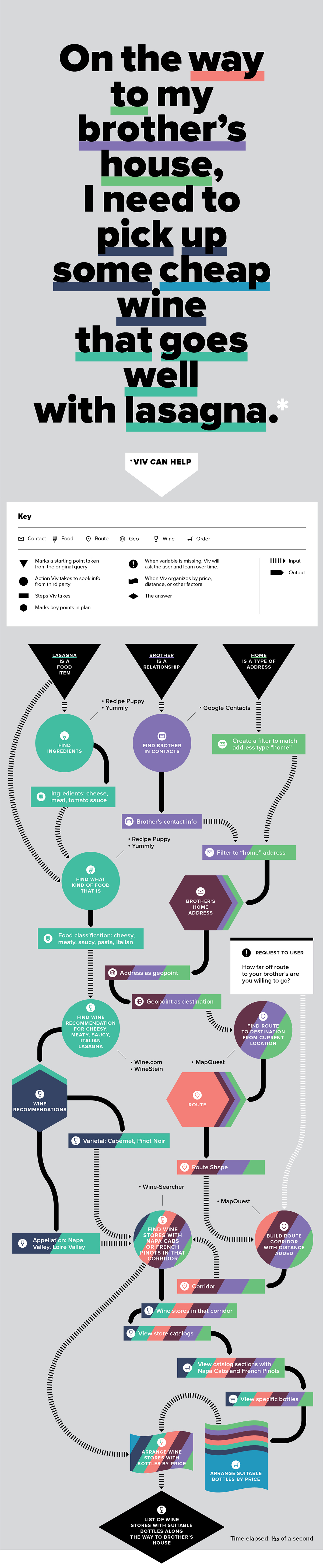
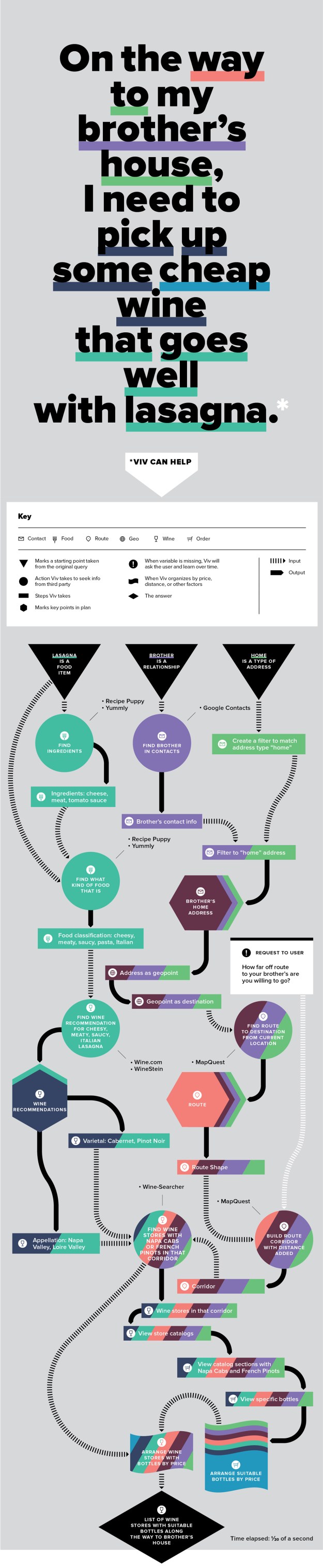
Most of the carefully chosen outsiders who have seen early demos are similarly confident. One is Vishal Sharma, who until recently was VP of product for Google Now. When Cheyer showed him how Viv located the closest bottle of wine that paired well with a dish, he was blown away. “I don’t know any system in the world that could answer a question like that,” he says. “Many things can go wrong, but I would like to see something like this exist.”

Indeed, many things have to go right for Viv to make good on its founders’ promises. It has to prove that its code-making skills can scale to include petabytes of data. It has to continually get smarter through omnivorous learning. It has to win users despite not having a preexisting base like Google and Apple have. It has to lure developers who are already stressed adapting their wares to multiple platforms. And it has to be as seductive as Scarlett Johansson in Her so that people are comfortable sharing their personal information with a robot that might become one of the most important forces in their lives.

The inventors of Siri are confident that their next creation will eclipse the first. But whether and when that will happen is a question that even Viv herself cannot answer. Yet.
Siri14_3

Source: http://www.wired.com/2014/08/viv/

Marktanteile 2014 Q2 Audi, BMW, Mercedes

BILD: BMW AG

BILD: BMW AG

BMW Segment Automobile:
Umsatz: 18,5 Mrd. Euro (+1,7 Prozent)
Operativer Gewinn (Ebit): 2,2 Mrd. Euro (+23,1 Prozent)
Umsatzrendite: 11,7 Prozent
Absatz (BMW, Mini, Rolls-Royce): 533.187 Fahrzeuge

AUDI:
Umsatz: 13,7 Mrd. Euro (+1,8 Prozent)
Operativer Gewinn: 1,4 Mrd. Euro (+1,5 Prozent)
Umsatzrendite: 9,9 Prozent
Absatz: 456.500 Fahrzeuge

MERCEDES-BENZ CARS:
Umsatz: 17,8 Mrd. Euro (+9 Prozent)
Operativer Gewinn (Ebit): 1,41 Mrd. Euro (+35 Prozent)
Umsatzrendite: 7,9 Prozent
Absatz: (Mercedes-Benz, Smart): 418.685 Fahrzeuge 

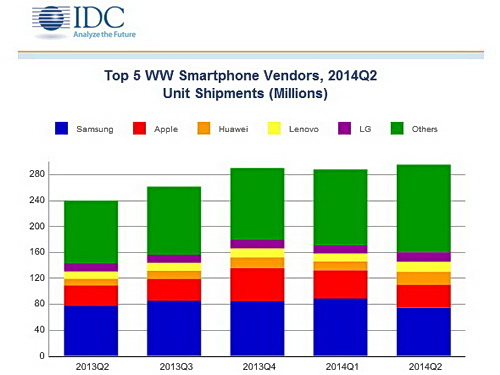
Smartphone Marktanteile Q2/2014 – Samsung und Apple verlieren, Huawei gewinnt deutlich

Im Ranking der weltweiten Top 5 der größten Smartphone-Hersteller müssen Samsung und Apple einige Marktanteile an die Konkurrenz von Lenovo und LG Electronics abgeben. Der große Gewinner beim globalen Absatzvolumen heißt Huawei.

IDC_WW_Quarterly_Mobile_Phone_Tracker_280714

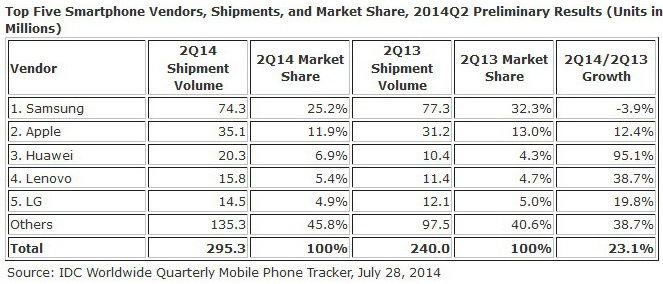
Die Chinesen jagen Apple und Samsung im Geschäft mit Smartphones deutlich Marktanteile ab. Laut den neuesten Zahlen der Marktanalysten von IDC für das vergangene Quartal Q2/2014 bröckelte der Marktanteil des weltweit größten Herstellers Samsung von 32,3 Prozent in Q2/2013 auf nun 25,2 %. Gleichzeitig verkaufte Samsung mit 74,3 Millionen Smartphones um fast 4 Prozent weniger Phones, als im Vergleichszeitraum des Vorjahres (77,3 Mio.).

Insgesamt wurden weltweit im 2. Quartal 2014 fast 300 Millionen Smartphones ausgeliefert. Das ist ein Plus von 23,1 Prozent (Q2/2013: 240 Mio.). Apple behauptet sich im globalen Ranking der Top 5 der weltweit größten Smartphone-Hersteller mit 35,1 Millionen iPhone Smartphones auf Platz 2 und steigerte damit sein Absatzvolumen um 12,4 Prozent (Q2/2013: 31,2 Mio.). Beim Marktanteil verliert Apple aber 1,1 Prozent und hält jetzt statt 13 Prozent noch 11,9 %.

Der große Gewinner im Ranking heißt Huawei. Der chinesische Telekommunikationsriese steigerte sein globales Liefervolumen um 95,1 Prozent, von 10,4 Millionen Smartphones auf 20,3 Mio. Geräte: Platz 3. Der Marktanteil von Huawei beträgt jetzt 6,9 Prozent (Q2/2013: 4,3 %). Auch für Lenovo auf Rang 4 lief das 2.Quartal 2014 gut: Absatzsteigerung um 38,7 Prozent von 11,4 auf 15,8 Millionen Phones und 5,4 Prozent Marktanteil (zuvor 4,7 %).

Für den südkoreanischen LG Electronics Konzern bleibt mit 14,5 Millionen (Q2/2013: 12,1 Mio.) und einem Marktanteil von nun 4,9 Prozent (Q2/2013: 5 %) Position 5. Die Verkäufe für das neue und sehr populäre Smartphone-Flaggschiff LG G3 werden sich IDC zufolge erst im 3. Quartal in den Absatzzahlen widerspiegeln.

Airbnb Is Quietly Building the Smartest Travel Agent of All Time

Airbnb-14

Airbnb overhauled its logo, its website, and its mobile app this morning. But there’s something deeper going on with the sharing economy’s most popular travel site.

Under the covers, Airbnb has quietly begun an ambitious effort to painstakingly mine the treasure trove of data contained in the site’s customer reviews and host descriptions to create a smarter way of traveling. It turns outs Airbnb is more than a travel website—it’s a stealth big data company.

“For a long time now, Airbnb has been an awesome place to go if you know where you’re going and you know when you’re going,” says Mike Curtis, Airbnb’s vice president of engineering. “But we realized that we have all of this data that other people don’t have. We have travel patterns. We have the reviews. We have the descriptions of the listings. We know a lot about neighborhoods that we can infer from the text in there.”

To do this, the company has formed an eight-person Discovery team. Their mission? To build language processing software that mines Airbnb’s data and figures out what’s really happening out there in the travel world. In other words, Airbnb is building a kind of omniscient, machine-powered travel agent of the future.

‘WE REALIZED THAT WE HAVE ALL OF THIS DATA THAT OTHER PEOPLE DON’T HAVE. WE HAVE TRAVEL PATTERNS, WE HAVE THE REVIEWS, WE HAVE THE DESCRIPTIONS OF THE LISTINGS.’

You can see the early hints of this in the new recommendations that debut on the site today. Airbnb figures out where you’re from, and then drops you a few travel ideas. “We try to figure out exactly where you are and who the people are around you and where they like to travel,” says Surabhi Gupta, an engineer on the Discovery team.

If you’re booking from Knoxville, Tennessee, for example, there’s a pretty good chance you’ll want to take in the sights in Washington, DC. If you’re from the San Francisco or Brooklyn, you may very well be looking for a booking in the same city (folks in these places are more likely to be using Airbnb to book accommodations for friends or relatives).


Airbnb-Discovery-14


The Discovery team figures this out by extracting interesting words from the site’s reviews and descriptions. An open-source tool called the Stanford Part of Speech Tagger comes in handy for this. It then uses custom-build algorithms to assign 150 different attributes—beaches, hiking, sunsets, and so on—to different locations.

What you see on the homepage is a start, but Airbnb wants to get to the point where it can give very specific recommendations based on who you are, not just where you live. “A lot of what we’re doing is the foundational work for user-level personalization,” says Lu Cheng, another Discovery team engineer. That means, in a few years, you may very well be using Airbnb to not only book your next vacation, but to figure out where the heck you want to go.


Source: http://www.wired.com/2014/07/airbnb_recommendations/

Audi RS7 Is as Fast as a Ferrari 458 at Half the Price

Wrong world America?

Whereas Europeans in well saturated markets like Germany and Austria pay easily more than double the price Americas customers pay for the same brands like Tommy Hilfiger, Audi, Ferrari only a friction.
Wrong world? Globalisation?
Wrong. The answer is. International brands try to globally subsidise their Americas Sales in order to keep the motor running and Americas Washing machine spinning.

Examples?
Ferrari 358: America: 230.000 USD, Germany Austria: 390.000 USD (+70 %)
Hilfiger Watch: America 10 USD, Germany Austria 75 USD (+750 %)
Michael Kors Sunglasses: America 44 USD, Germany Austria 150 USD (+340 %)
Audi RS7: America super pricey 122.000 USD, Germany Austria: 182.000 USD (+50 %)

Audi-RS7-2014

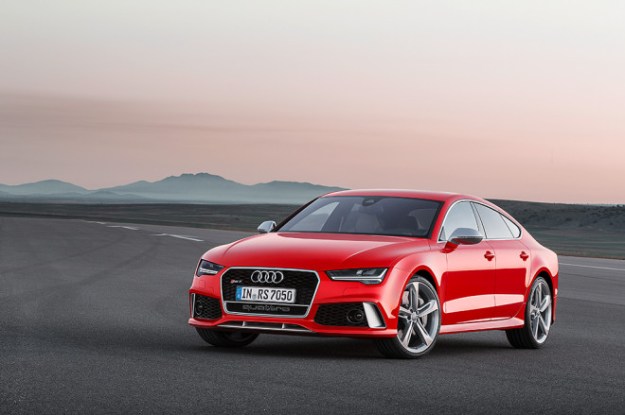
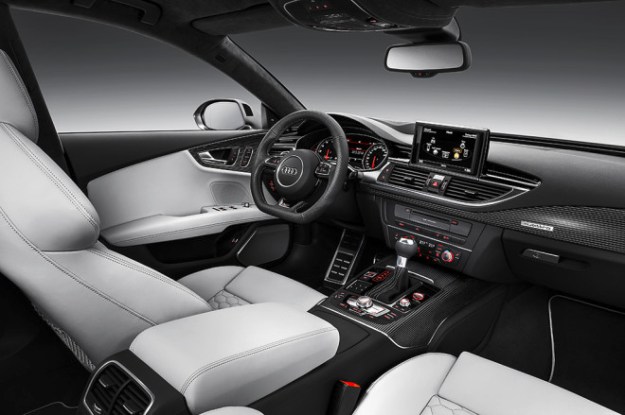
The new Audi RS7 is a conflicted car. It’s a five-door hatchback that can run neck and neck with a Ferrari 458 in the quarter mile. It marries straight-line performance with unexpected utility, and does it at a price that undercuts its similarly power-mad German competitors. Yet it’s not the vehicle you want to take to the track—the power overwhelms, and the Audi S7 is the better choice if you actually want to turn at high speeds.

But, good grief is this thing fast! Full throttle, the RS7 is 4,500 pounds of luxury hurtling forward like anti-aircraft fire. Say another nouveau-riche fellow pulls up next to you at a stoplight in his 458. Fear not. You’ll match him right through a quarter-mile drag race. As the two of you speed forward to 60 mph in around three seconds, he can ponder the fact that his $233,000 (at least) two-seat sports car is holding even with a ride that holds four people and their luggage comfortably.

With the RS7, Audi tips further away from its characteristic tight-lipped restraint than with any other car it makes, including the R8 V10 Plus.

America’s Most Powerful Audi

Based on Audi’s A7 Sportback, the RS7 is the company’s top dog performance sedan, a notch above the S8 in dynamics if not price. It starts for $104,900, we tested one worth $122,545. It’s the most powerful Audi ever offered in the United States, boasting a 4.0 liter twin turbo V8 that makes 560 horsepower and 516 pound-feet of torque. The engine makes so much power that the regular A7’s 7-speed double-clutch transmission can’t handle the torque.

Instead, the RS7 gets an 8-speed ZF single clutch transmission that sends power to all four wheels via the Quattro AWD system. The resulting 11.5 second quarter mile dash is Gran Turismo easy – just plant your foot, no drama.

Driving the car, these giggle-inducing numbers feel like lowball estimates. After sprinting off the line, the RS7 pulls like a rocket sled to an electronically limited 174 mph (an optional “Dynamic” package bumps top speed to the same 189 mph ceiling you get in the European version of the car).

Audi RS 7 Sportback

A Practical Ride

Yet it’s still a practical car. There really are four habitable seats, though your head will be bowed in the back if you’re over 5’10”. The space available easily exceeds what you get in competitors like Mercedes’ CLS63 AMG, Aston Martin’s Rapide, and BMW’s M6 Gran Coupe. The rear hatch and folding rear seats yield 49.1 cubic feet of cargo space, more than a BMW X1 crossover.

The interior nods to fun, spiced up with aluminum pinstriping across black wood dash and door inlays, web stitching on the excellent seats, a perforated steering wheel wrap, and machined-out aluminum door handles. On startup, little Bang & Olufsen tweeters—ostensibly there to improve acoustics, really made for impressing friends and dates—rise from the dash in sync with the 7-inch MMI display screen.

The exterior signals aggression with 21-inch wheels enclosing 15”/14” wave-design rotors and a huge black gloss grille. Our Misano red pearl test driver had matte aluminum trim and a pattern based on the Audi quattro ring in the tail lamps. The effect is handsome, but borders on vulgar in bright red.

There are other bits of awkwardness. Small aluminum steering wheel shifter paddles indicate Audi doesn’t think you’ll paddle shift much (it’s probably right). The brake ducts on the front splitter are cosmetic only and the plastic cover over the engine keeps you from ogling the fabulous twin-turbo V8. Too bad, because beneath it you find the turbos mounted atop the intake manifold. The layout largely eliminates turbo lag, but Audi doesn’t say how it keeps the turbos cool.

The RS7 doesn’t drive perfectly. It corners and stops very well, until you push the power close to the limit. The chassis is marvelously stiff but the power out-muscles the suspension. The rear sport (electronic) differential over-speeds the outside rear wheels in hard cornering but it cannot defeat the inevitable AWD understeer. Nor can it make up for the RS7’s mass. Steering feel is vague and the air suspension doesn’t communicate what’s happening underneath.

What all that means is that when you barrel into a corner 40 mph quicker than you expected (likely at first) the car lurches, struggling mightily with front-end plow as you add more and more steering. The well heeled toffs who can afford an RS7 may not instinctively understand this.

For all its gobsmacking power, the RS7 really isn’t an emotional car in driving terms. On long highway drives, it’s nice to be isolated from noise and vibrations, but it takes something away when you want to really feel the car. Fortunately for Audi, the competition isn’t much more involving.

But at least it’s the dominant sort of isolation, the kind that allows you to look through dark sunglasses at the sucker next to you and rev the engine with confidence.

Source: http://www.wired.com/2014/07/audi-rs7-review/

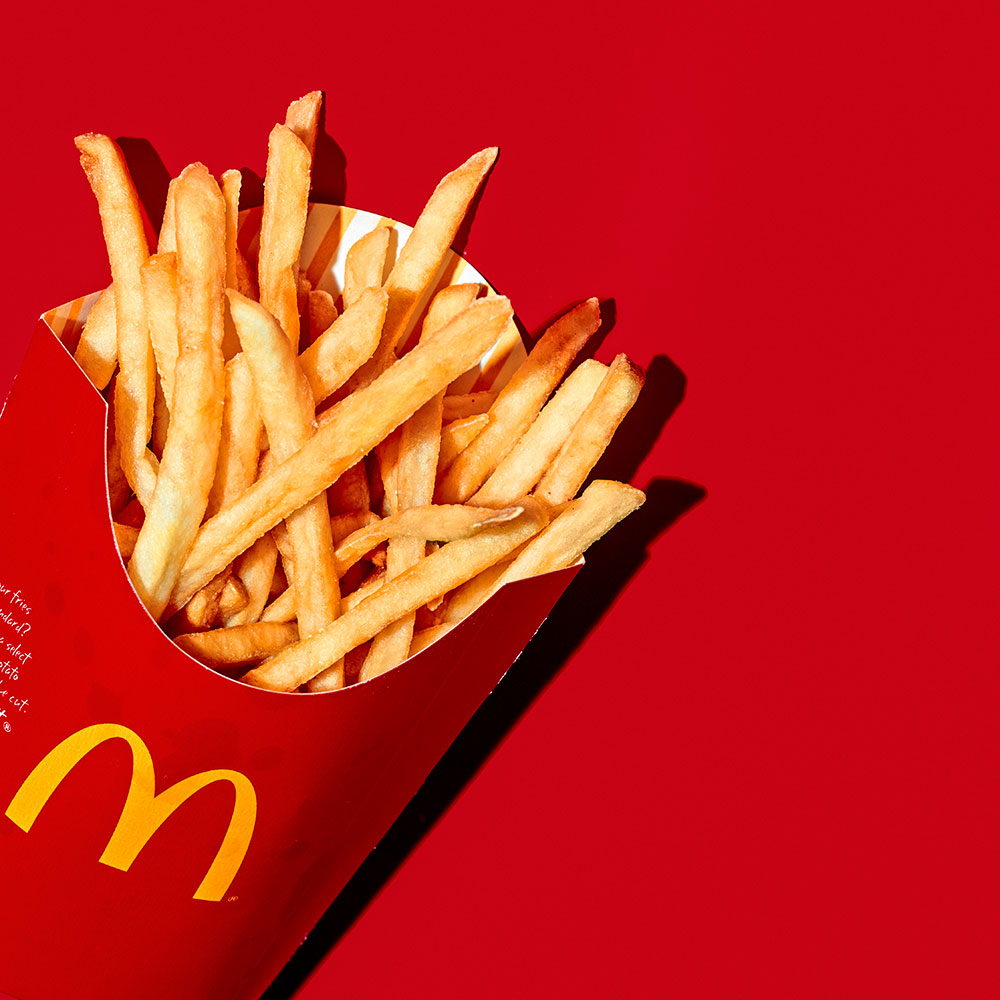
What Is inside McDonalds‘ French Fries?

McDonalds Fries

POTATOES

Mickey D’s uses varieties like the Russet Burbank, which have a nice oval shape and just the right balance of starch and sugar. Excess sugar can cause a fry to have brown spots where it’s over-caramelized, leaving a burnt taste and deviating from the uniform yellow-arches color. Just in case, the spuds are blanched after slicing, removing surplus sugar.

SODIUM ACID PYROPHOSPHATE

Taters can turn a nasty hue even after they’re fried—iron in the spud reacts with the potato’s phenolic compounds, discoloring the tissue. The phosphate ions in SAPP trap the iron ions, stalling the reaction and keeping the potatoes nice and white throughout the process.

VEGETABLE OIL

In the good old days, McDonald’s fries were cooked in beef tallow. But customer demand for less saturated fat prompted a switch to vegetable oil in the early ’90s. Here, that means oils of varying saturations combined into something reminiscent of beef tallow. There’s canola (about 8 percent saturated fat), soybean oil (16 percent), and hydrogenated soybean oil (94 percent). And to replace the essence of beef tallow? “Natural beef flavor,” which contains hydrolyzed wheat and milk proteins that could be a source of meaty-tasting amino acids.

MORE VEGETABLE OIL

That’s right, the fries get two batches of vegetable oil—one for par-frying at the factory and another for the frying bath on location. The second one adds corn oil and an additive called TBHQ, or tertbutylhydroquinone, which at high doses can cause nasty side effects in rats (mmmm … stomach tumors). McDonald’s uses this oil for all its frying, so the stuff usually sits around in big vats, which means it can go rancid as oxygen plucks hydrogens from lipids. TBHQ acts as an antioxidant, replacing those pilfered hydrogens with its own supply.

DEXTROSE

A brief dip in a corn-based sugar solution replaces just enough of the natural sweet stuff that was removed by blanching. The result is a homogeneous outer layer that caramelizes evenly. You’ll add more sugar later when you squirt on the ketchup.

SALT

Sprinkled on just after frying, the crystals are a uniform diameter—just big enough to get absorbed quickly by crackling-hot oil. Now add ketchup and you’ve achieved the hedonistic trifecta: fat, salt, and sugar.

Source: http://www.wired.com/2014/07/whats-inside-mcdonalds-french-fries/