Schlagwort-Archive: Porsche

EVs Are Losing Up to 50 Percent of Their Value in One Year

https://www.wired.com/story/evs-are-losing-up-to-50-percent-of-their-value-in-one-year/

Some electric car brands are hemorrhaging value, with the worst losing as much as $600 a day. Learn which models to watch, why this is happening, and how you can game the market to your advantage.

Electric vehicle depreciation is something of a hot topic right now, and for good reason. On one hand, there are some fantastic deals to be had on the secondhand market, but on the other of course, there’s the thorny issue of some EVs losing half of their value in a single year.

Cars losing you a chunk of cash the instant they’re driven off the dealer lot is nothing new, especially at the pricier end of the market. And if you intend to keep your shiny new EV for a long time, then its worth after just a year or two matters far less. But what if you’ve experimented with your first EV then decided its range or your local charging infrastructure isn’t up to scratch, and want to sell within the first year? If that’s you, you’d better be prepared for a significant loss.

In a bid not to tar all EVs with the same brush, we’ve aimed to be balanced in our approach to discovering trade-in valuations. There’s plenty of color to be reported here, too—like the US dealer who actively warned our reporter against selling him their EV, or the story of a Mercedes EQE that lost more than $600 each day—but for now let us deliver the cold, hard numbers.


We are using two tools for this research. The first is an online appraisal system by Edmunds, the US automotive industry resource, and the second is Cap HPI, a vehicle valuation service for the UK auto trade. Let’s start with the UK electric trade-in landscape, then compare it with the US’s.

Main Offenders

Our first discovery was that, in the UK, various new electric cars lose 50 percent of their value in the first 12 months. Yes, you read that right—some EVs depreciate by 50 percent in a single year.


Now, this cannot be said of every EV, but Cap HPI data provided to WIRED by Parkers, a respected UK online car resource, revealed how six different EVs are all projected to halve in value after 12 months and 10,000 miles. These include the Audi e-Tron GT, which plummeted by 49 percent from £107,675 ($138,000) to £54,700 ($70,100), and the Ford Mustang Mach-E, which fell by 52 percent from £59,325 to £28,575. According to the data, a Polestar 2 would also lose 52 percent of its £52,895 sticker price in just 12 months.

The Tesla Model 3 fared only slightly better, falling by 45 percent in its first 12 months and 10,000 miles, while the Porsche Taycan fell by 49 percent and the Hyundai Ioniq 5 lost exactly half in the same period. These prices are all based on a midspec version of each car, since factors like battery size, trim level, and even paint color can have a marked effect on trade-in value.

Miley Face

But do you know what has less of an impact on depreciation? Mileage. If the long-range Polestar 2 mentioned above had covered 20,000 miles in its first year instead of 10,000—well above the annual UK average of just 7,000—its estimated trade-in value falls by only an extra £975, or a further 2 percent of its original price.

It’s a similar story with the Taycan. A 4S model with the long-range battery fell from £100,200 to £50,700 in its first 12 months and 10,000 miles. But if it had covered 20,000 miles in the same year it would have fallen by only another £2,650. Or, after two years and 20,000 miles it would be worth £44,175, according to the Cap HPI data. Age (beyond the first 12 months) has a similarly insignificant effect. A 10,000-mile Taycan is worth £50,700 after one year, or £46,600 after two years.

YouTuber The MacMaster has been charting the decrease in value of his own two-year-old Taycan, which dropped from a new price of £120,000 down to a Porsche dealership valuation of £44,650 in March earlier this year, leaving him in negative equity as he still owes approximately £64,700 on the EV. To make matters worse, the Porsche dealership giving the valuation supposedly refused to take his Taycan.

Remember, these are all estimated trade-in values. You would expect to earn more by selling the car privately, and you’d see the same car advertised for more by a dealer to ensure they make a profit.

Depreciation of the Tesla Model 3 also slows significantly after the first year. Cap HPI data states how a 2023 Model 3 Long Range would fall from £50,000 to £27,550 after one year and 10,000 miles, then by only an additional £2,500 after two years and 20,000 miles. Had the first 10,000 miles been spread over 18 months instead of 12, the price would fall by only an extra £825 in those six months.

The ability for Tesla, and other EV manufacturers, to update and upgrade a car’s software months or even years after it left the factory should help with long-term depreciation. We’ve seen how Tesla can push out major user interface upgrades, and even add entirely new features, over the air. Back in 2019, Jaguar pushed out a software update that claimed to increase the range of its I-Pace by up to 8 percent, and in 2022 the Polestar 2 gained Apple CarPlay—a feature that manufacturers used to charge handsomely for—via a free OTA update.

EV vs. ICE

As we said earlier, heavy day-one depreciation has long been par for the car ownership course. But how do year-old EVs stack up against similar internally-combusted cars? And more specifically, what happens when you compare two cars of a similar size and price from the same manufacturer? Cap HPI data has the answers and, again, the results are best viewed sitting down.


When comparing a gas-powered Audi Q7 55 with an electric Audi e-tron 55 SUV, both one year old and with 10,000 miles, the gas-powered car is worth 42 percent more after 12 months, despite costing less when new.


This is also true with lower-value cars. Cap HPI data showed how, after three years and 30,000 miles, a gas-powered Volkswagen Golf has a 46 percent price premium over an electric Golf.

We expected to find a similar difference between the gas-powered Porsche Panamera and electric Porsche Taycan. However, Cap HPI data suggests similar, midlevel 4S variants of each lose a similar amount of value over two years and 20,000 miles. The Panamera fell from £93,140 to £63,250, while the Taycan dropped from £84,030 to £53,000.

Auto America

Now for the US prices. According to Edmunds, a 2022 Porsche Taycan Turbo with 10,000 miles (well under the US annual average of 14,000) was worth about $106,000 at the time of writing in July 2024. That’s about $50,000 below what it would have cost new, not including optional extras, which pump up the retail price but tend not to affect resale value.

Historical data produced by Edmunds shows how the car’s value briefly rose from $129,000 to almost $131,000 between August and October 2023, but has fallen markedly since, tumbling by as much as $4,000 per month between November 2023 and February 2024 before dropping a further $10,000 over the next five months.


The valuation tool states: “This vehicle’s value is likely to decrease within the next month. Time is not on your side if you’ve been waiting to sell/trade for maximum value.” WIRED found just such a Taycan for sale in Los Angeles for $120,000, suggesting a dealer profit of roughly $13,000 before any negotiation.

Although initial depreciation isn’t as brutal in the US as the UK, there are still plenty of deals to be had. WIRED found a fully-loaded 2020 Taycan Turbo with just 5,000 miles on the clock for $92,000—a saving of $86,000 on the original purchase price. That’s the equivalent of more than $17 per mile in depreciation.

A 2023 Polestar 2 Long Range Single Motor with 10,000 miles on the clock has a trade-in value of $30,500, according to the Edmunds appraisal tool. This increases to $32,500 if sold privately, and the tool states an estimated dealer price of $35,000. The trade-in value represents a $20,000 or 40 percent drop from the car’s approximate retail price.


As with the Taycan, Edmunds says the Polestar 2’s value is trending down, but interestingly it increased in three of the previous eight months to July 2024. During our research WIRED saw how, in some cases, Edmunds would suggest holding onto the vehicle, since prices were on the up. As one EV specialist stressed to us, car values constantly change regardless of how they are powered.

Covid Consequences

The used-car market was turned on its head in the wake of the Covid-19 pandemic, as production slowed, key components such as microchips became scarce, and secondhand prices rose. According to iSeeCars, a US car search and research company, the effects are still being felt, and all cars held their value better in 2023 than in 2019. Prior to the pandemic, the average car would lose 50 percent of its value in five years, the company said, but by late 2023 this had fallen to 38.8 percent.

However, electric cars are performing less well, losing an average of 49.1 percent of their value in five years, according to analysis of more than 1 million 2018-model-year cars sold between 2022 and 2023.

A June 2024 study, also from iSeeCars, found used EV prices had fallen below gas-powered cars for the first time. Having analyzed more than 2.2 million used cars between May 2023 and May 2024, iSeeCars found the average used EV had fallen from $41,000 to $28,800, while the average gas car had fallen only slightly, from $32,700 to $31,400.

“It’s clear used-car shoppers will no longer pay a premium for electric vehicles, and in fact consider electric powertrains a detractor, making them less desirable—and less valuable—than traditional models,” said Karl Brauer, an analyst from iSeeCars.

Secondhand Supremacy

While undoubtedly a concern for anyone who plans to sell their nearly-new EV, the data is great news for secondhand buyers. From a £5,000 ($6,400) Renault Zoe and £12,000 ($15,000) Citroen e-C4 to a $25,000 Polestar 2 or a $30,000 Jaguar I-Pace, there are amazing deals to be had. And, what’s more, EV batteries are lasting longer than expected, according to Recurrent, whose community of 20,000 EV drivers states just 2.5 percent of battery packs have been replaced outside of manufacturer recalls.

It’s common knowledge among EV buyers that replacing a failed battery pack can be incredibly expensive. According to Recurrent, replacing an EV battery out of warranty costs between $6,500 and $20,000.


The fear of coughing up more cash than the car is worth to swap out a broken pack lingers in the mind of any driver whose EV is no longer protected by its manufacturer’s battery warranty, which often lasts for eight years or 100,000 miles. That said, battery failure is rare, and many aftermarket warranty providers now include EV battery cover, according to the RAC, a British breakdown company.

And the Loser Is …

Yet despite EV batteries lasting longer than expected, year-one depreciation horror stories remain. The most acute eample we’ve seen was of a Mercedes EQE run for six months by TopGear. An anonymous call to a Mercedes dealer revealed it had lost £40,000 ($51,000) in just three months and 4,500 miles. That’s close to 50 percent in 12 weeks, or the equivalent of about £480 ($615) per day.


Parkers data provided to WIRED told a less extreme story, but still revealed how a midrange Mercedes EQE 350 is estimated to plummet from a retail price of £89,290 to just £49,500 in its first 12 months. A gas-powered Mercedes E-Class also fell to just under £50,000 after one year, but it cost £20,000 less to start with.

Why Is This Happening?

Car depreciation is nothing new, especially at the luxury end of the market; anyone who has shelled out six figures for a German executive sedan will know what steep losses feel like.

Factor in the even higher costs of electric cars and their optional extras, plus the omnipresent concerns of EV range and charging infrastructure—then look at how quickly EVs are improving with every facelift, with new models gaining extra range, performance, and charging speed over their predecessors—and soft residuals are bound to occur.

Consider too how many of the EVs grabbing depreciation headlines right now are examples of first-generation technology. The Porsche Taycan, Audi e-tron, and Mercedes EQ families are all first attempts by legacy manufacturers caught napping by Tesla and, more recently, by a slew of low-cost, state-backed upstarts from China. They are the original, non-3G iPhones of their day and are now already being replaced by facelifted versions that go much farther and charge more quickly.

Discounts on new EVs also have an effect on the used market. Tesla is well known for its wildly fluctuating prices, but others have slashed prices recently, too. WIRED found official Porsche dealerships in the UK offering several brand-new (but previous-generation) Taycans with a £20,000 ($25,000) discount on their £110,000 list price. One example, a GTS Sport Turismo was being offered with a £33,500 discount.

With the new 2025 Taycan having only just arrived, discounts on last year’s tech are to be expected, and that’ll twist the knife even further on used prices, as well as on a secondhand market already filling up with three-, four- or five-year-old EVs that have just reached the end of their lease deal.

So, What Should You Do?

Despite rampant depreciation, EV sales are still on the up. They accounted for 18.5 percent of all new vehicle sales in the UK in July, according to the Society of Motor Manufacturers and Traders, up 18.8 percent on the previous year, and are outselling plug-in hybrids 2 to 1. According to Edmunds, 6.8 percent of new vehicles sold in the US in May were fully electric, four times that of plug-in hybrids.

For buyers who can charge at home—and perhaps benefit from associated tax incentives, too—buying a new EV can still be a sound financial decision, providing you intend to keep it for the long term. Buying the car outright, or with a bank loan, and selling it within 12 months will likely leave you significantly out of pocket. But, as the data in both the US and UK shows, prices tend to stabilize through subsequent years.


The best advice? Buy secondhand, unless you can truly afford to not care otherwise, and enjoy your bargain EV—complete with its low running costs and minimal maintenance requirements—for the half-decade or more still on the battery warranty.

2017 Guide to all Porsche Models

Porsche 911 GT3 991.22018 Porsche 911 GT3 991.2.Porsche

Porsche rounded out the 911 family on Tuesday at the 2017 Geneva Motor Show with the introduction of its latest track-bred GT3 variant. At the heart of the new Porsche 911 GT3 is a 4.0-liter, naturally aspirated flat-six-cylinder engine, which produces 500 horsepower and 339 lb.-ft. of torque. The GT3 becomes the first of the 991.2 generation 911s to eschew turbocharging.

Customers can option the GT3 with either a traditional six-speed manual transmission or a seven-speed twin-clutch PDK unit. The 2018 Porsche 911 GT3, expected to reach US showrooms this fall with a starting price of $143,600, is available with active rear-wheel steering and carbon-fiber aerodynamic elements.

According to Porsche, the PDK-equipped GT3 can sprint to 60 mph in just 3.2 seconds and reach a top speed of 197 mph. In six-speed guise, the Porsche requires 3.8 seconds to reach 60mph before hitting 198 mph. Even though, the six speed is slower off the line, the holy combination of a clutch pedal with a naturally aspirated powerplant will be too much of a draw for Porsche purists to ignore.

There are few cars in the world more iconic than the Porsche 911. Over the years, the rear-engine sports car has gotten bigger, faster, and more technologically advanced. But its spirited driving dynamics and on-track capabilities have continued to make it a favorite among enthusiasts worldwide.

But you often hear the complaint that all current 911s look pretty much the same. And if you ask critics such as Jeremy Clarkson, host of Amazon’s „Grand Tour“ show, he’ll tell you that all Porsche 911s since the model’s debut in 1963 look identical. The truth is, most of the various versions of the current generation of 911s do look similar, yet they can all be identified by numerous subtle but important differences.

Like Taco Bell in the fast-food industry, what Porsche has managed to do so successfully is create multiple iterations of the 911 by mixing and matching the same ingredients, and packaging them in a lot of different ways. And if you’ve ever driven a 911, you’ll probably agree with me in saying there’s absolutely nothing wrong with that.

So here it is, the most current lineup of Porsche’s 911 Taco Bell menu.


Carrera: The Carrera is the „base“ 911, if there is such as thing. The 991.2 Carrera powered by a 3.0-liter, 370-horsepower, twin-turbocharged, flat six …

Carrera: The Carrera is the "base" 911, if there is such as thing. The 991.2 Carrera powered by a 3.0-liter, 370-horsepower, twin-turbocharged, flat six ...

Porsche

… and the Cabriolet is the convertible version of the Carrera.

... and the Cabriolet is the convertible version of the Carrera.

Porsche

The Carrera 4 Coupe is a Carrera Coupe with all-wheel drive …

The Carrera 4 Coupe is a Carrera Coupe with all-wheel drive ...

Porsche

… and the Carrera 4 Cabriolet is the convertible variant.

... and the Carrera 4 Cabriolet is the convertible variant.

Porsche

The Carrera S gets a 50 hp boost from the base Carrera, thanks to larger turbochargers and an upgraded exhaust system on the 3.0-liter 420 hp flat-six engine …

The Carrera S gets a 50 hp boost from the base Carrera, thanks to larger turbochargers and an upgraded exhaust system on the 3.0-liter 420 hp flat-six engine ...

Porsche

… and here’s the convertible Cabriolet Carrera S.

... and here's the convertible Cabriolet Carrera S.

Porsche

The Carrera 4S is the Carrera S with all-wheel drive …

The Carrera 4S is the Carrera S with all-wheel drive ...

Porsche

… and the Carrera 4S Cabriolet is the convertible edition.

... and the Carrera 4S Cabriolet is the convertible edition.

Porsche

The Carrera GTS is a step up from the Carrera S. With turbochargers even larger than those found on the S, the GTS packs a stout 450 horsepower.

The Carrera GTS is a step up from the Carrera S. With turbochargers even larger than those found on the S, the GTS packs a stout 450 horsepower.

Porsche

… and the Carrera GTS Cabriolet is yet another convertible version!

... and the Carrera GTS Cabriolet is yet another convertible version!

Porsche

The Porsche 911 Carrera 4 GTS is the GTS with all-wheel drive …

The Porsche 911 Carrera 4 GTS is the GTS with all-wheel drive ...

Porsche

… and Carrera 4 GTS Cabriolet is, naturally, the accompanying convertible.

... and Carrera 4 GTS Cabriolet is, naturally, the accompanying convertible.

Porsche

The Targa 4 is a Carrera 4 with an awesome electric lift-away roof!

The Targa 4 is a Carrera 4 with an awesome electric lift-away roof!

Porsche

While the Targa 4S is a Carrera 4S with the special „Targa“ roof.

While the Targa 4S is a Carrera 4S with the special "Targa" roof.

Porsche

The Targa 4 GTS is a Carrera 4 GTS with the Targa roof.

The Targa 4 GTS is a Carrera 4 GTS with the Targa roof.

Porsche

The latest generation of the legendary Turbo gets a 3.8-liter, 540 horsepower version of the twin-turbocharged flat-six found in other 911 models. Thanks to a pair of monster turbochargers, the Turbo has become a benchmark vehicle for aspiring supercars everywhere.

The latest generation of the legendary Turbo gets a 3.8-liter, 540 horsepower version of the twin-turbocharged flat-six found in other 911 models. Thanks to a pair of monster turbochargers, the Turbo has become a benchmark vehicle for aspiring supercars everywhere.

Porsche

There’s a Turbo Cabriolet, as well.

There's a Turbo Cabriolet, as well.

Porsche

The Turbo S is a Turbo with a 580 hp engine.

The Turbo S is a Turbo with a 580 hp engine.

Porsche

And of course … a Turbo S Cabriolet is available, too!

And of course ... a Turbo S Cabriolet is available, too!

Porsche

The GT3 is the hard-core, track-oriented member of the 911 family. In the spirit of purity, its 500 horsepower, 4.0-liter engine is naturally aspirated — making it the only 991.2 to refrain from turbocharging.
The GT3 is the hard-core, track-oriented member of the 911 family. In the spirit of purity, its 500 horsepower, 4.0-liter engine is naturally aspirated — making it the only 991.2 to refrain from turbocharging.

Porsche

Finally, there’s the 911R. It’s an ultra-lightweight special edition, with only 991 expected to be built worldwide. The 911R is powered by a 500-horsepower, naturally aspirated, 4.0-liter unit that’s shared with the GT3 RS. It is also the only 911 that’s available exclusively with a manual transmission. The 911R is out of production — which means there will be no 2017 models made. However, they may be a few new cars floating around out there, but they will likely come with an extreme markup over the $185,000 MSRP. The 911R is a 991.1 spec model.

Finally, there's the 911R. It's an ultra-lightweight special edition, with only 991 expected to be built worldwide. The 911R is powered by a 500-horsepower, naturally aspirated, 4.0-liter unit that's shared with the GT3 RS. It is also the only 911 that's available exclusively with a manual transmission. The 911R is out of production — which means there will be no 2017 models made. However, they may be a few new cars floating around out there, but they will likely come with an extreme markup over the $185,000 MSRP. The 911R is a 991.1 spec model.

Porsche

Paris motor show 2016 review: A-Z of all the new cars

The Paris motor show is heralded as the world’s biggest motor show, claiming more visitor footfall than any other auto show. No wonder car makers are scrambling to prepare their new car launches in time.

Here we round up all the cars, world debuts and major launches at the Paris motor show. Think of it as a handy one-stop shop for everything about the Mondial de l’Automobile, including a continuously updated list of all the key cars unveiled on the day.

The new 2017 Audi A5 Sportback: a Paris motor show debut

AUDI
A5 Sportback (above): The slinkier new five-door A5 hatchback is unveiled
Q5: Ingolstadt is readying the replacement Q5 Mk2 for a Paris debut

BMW
Concept car: 
Not the new 5-series, but a new crossover concept is coming

CITROEN
C3 (below): The French will launch chic new supermini at the Paris motor show
C3 WRC concept:

CXperience: Plug-in hybrid concept previews Citroen’s upcoming design language

Citroen C3: Paris motor show 2016 world debut

DACIA
2016 range updates: 
Fresh styling, trim and features for Sandero, Sandero Stepway and Logan MCV

FERRARI
GTC4 Lusso T:  New V8-engined version of the car formerly known as the FF
LaFerrari convertible:
 
Maranello’s taken a tin-opener to its fastest supercar

HONDA
Civic (below):  
Next Civic is another French debutant; everything you need to know about Civic Mk10
Civic Type R prototype:  New prototype offers a look at the next-gen hot hatch from Honda

2016 Honda Civic

HYUNDAI
i10: Revamped city car gets new tech and fresh styling
i20 WRC:  Get your first look at the 2017 WRC entry from Hyundai
i30:  Third-gen hatchback family confirmed for the Paris motor show
RN30 concept:  New 375bhp hot-hatch concept targets the Focus RS

INFINITI
Q60:
 UK pricing revealed for sleek new coupe
QX Sport:
 
We’re expecting a refreshed version of the new mid-sized crossover concept from Beijing
VC-T variable compression ratio engines:  CO2-crushing new engine tech at Paris

KIA
Carens:
 Practical MPV gets new styling and tech for 2016
Rio:
 
New Rio supermini to make its public debut at the French car show
Soul: Revamped Kia Soul gets new 201bhp turbo engine

The new Land Rover Discovery: covers come off at the Paris motor show

LAND ROVER
Discovery (above):  The all-new Discovery, now revealed in full, is set to be one of the big draws at Paris

LEXUS
UX crossover concept:
 Latest concept aims to showcase new tech and connectivity features
Kinetic Seat Concept:  The humble car seat, as you’ve never seen it before

MERCEDES-BENZ
AMG GT Roadster:  French guillotine beheads Merc’s glorious sports car in Paris
AMG R50 hypercar (below):  Big Paris shock, as Merc confirms F1-engined hypercar
E-class All-Terrain:  Merc chases the Allroad dollar with E-class in wellies
Electric SUV concept:  We’re expecting a mid-sized e-crossover
GLC 43 4Matic Coupe: Sleeker version of the twin-turbo GLC SUV steps out
Vision Mercedes-Maybach 6:  A closer look at the new super-luxury concept

The new Mercedes-AMG R50 hypercar - F1-engined!

MINI
Clubman JCW:  It’s the most powerful version of Mini’s compact estate to date

MITSUBISHI
GT-PHEV Concept:  
A conceptual look ahead to the next Outlander SUV

NISSAN
Micra:  
Slicker, more Europeanised supermini takes a bow at Paris motor show

PEUGEOT
3008:  
Lumpy crossover enters the mainstream in prettier, more conventional Mk2
5008:  Double-oh Peugeot reborn as a family crossover; seen first in Paris
3008 DKR race car:  New rally-raid special shown ahead of 2017 Dakar

PORSCHE
Panamera (below):  
It’s the brand spanking new, prettier Panam sports saloon Mk2

The new 2016 Porsche Panamera: a Paris motor show launch

RENAULT
Alaskan:  
La Regie unleashes its first pick-up at its home show in Paris
Koleos:  New ‘Initiale Paris’ version of luxury SUV unveiled
Trezor:  Sleek EV coupe packs a 345bhp punch
Zoe:  Renault’s upped the Zoe’s maximum range to 250 miles

SEAT
Ateca X-Perience:  
Rugged new concept showcases potential production car

SKODA
Kodiaq:  
A major launch for Skoda as it unveils its first full-size family crossover

SMART
Fortwo and Forfour Electric Drive:  World premiere of the e-Smart is scheduled for Paris

SSANGYONG
LIV-2 SUV concept:  
This one points to the next-generation Rexton SUV, we reckon

SUZUKI
Ignis:
 European debut for the new baby crossover inspired baby
SX4 S-Cross:  Mild facelift for 2017 model year SUV

TOYOTA
C-HR crossover:  
Final production sight of the new compact SUV, after Geneva design reveal
Gazoo Racing:  New umbrella body for all Toyota’s motorsports will launch in Paris
Prius Plug-in Hybrid:  European debut for Toyota’s plug-n-play Prius
FCV Plus:  Another Euro first for this fuel-cell show car

VAUXHALL
Ampera-e: 
New EV features plenty of punch and long range, but we won’t get it – yet

VOLKSWAGEN
I.D. electric car concept (below):  Volkswagen promises dramatic change with new long-range EV
Volkswagen announces 13th brand:  Mystery Berlin-based brand being worked on

VW I.D. concept

http://www.carmagazine.co.uk/car-news/motor-shows-events/paris/2016/paris-motor-show-2016-review-news-photos-a-z-new-cars/

Bentley Plans To Copy Porsche’s Electric Tesla Fighter Misson-E

Bentley Plans To Copy Porsche's Electric Tesla Fighter

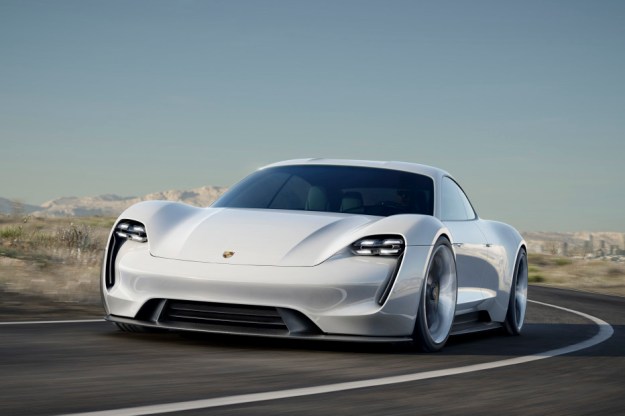
Volkswagen Group owns a lot of automotive brands, two of which happen to be Bentley and Porsche. A few months ago Porsche confirmed it was working on an electric sports car to go head-to-head with Tesla, and now Bentley has confirmed it will borrow Porsche’s plans and make its own electric sports car rival.

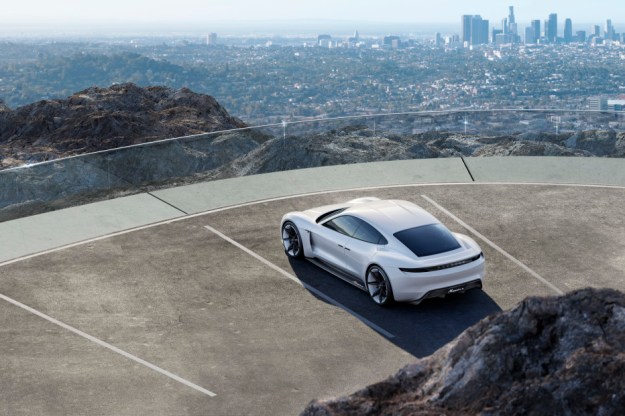
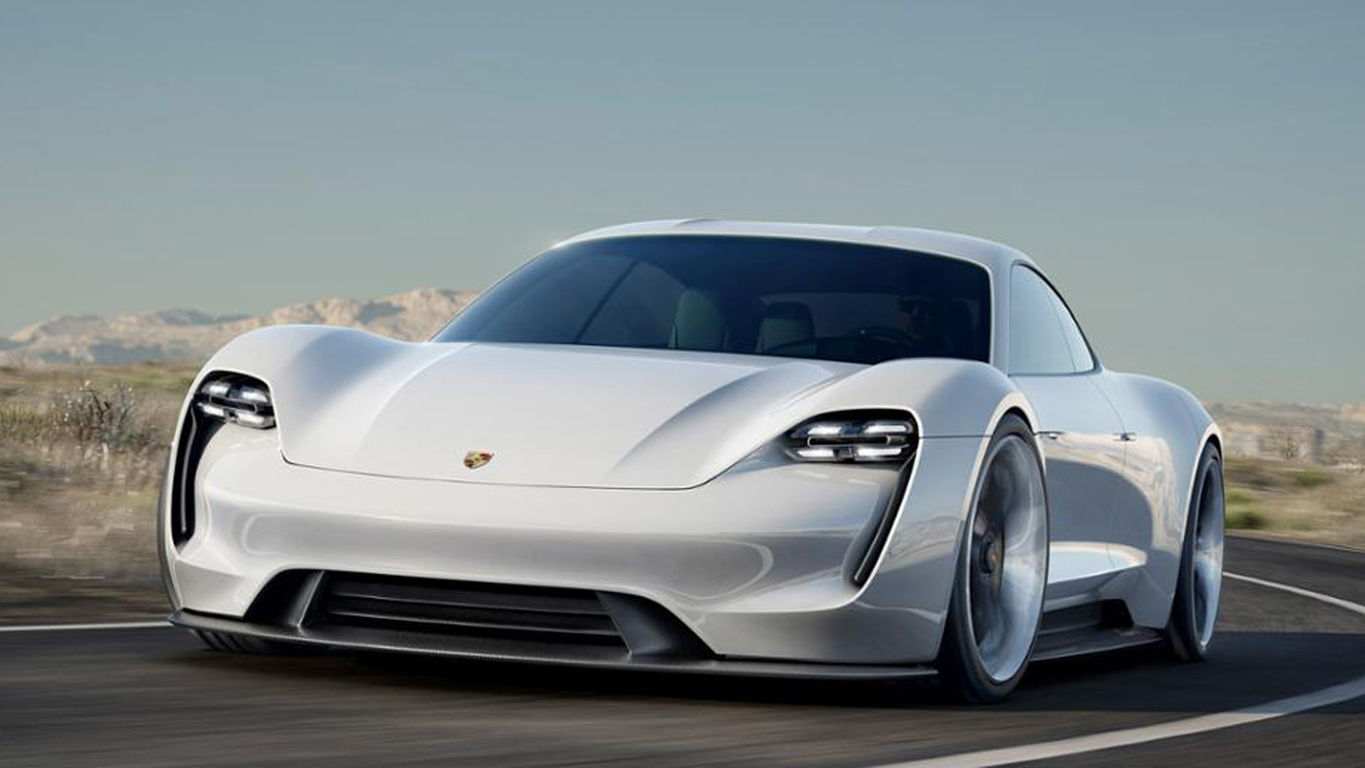
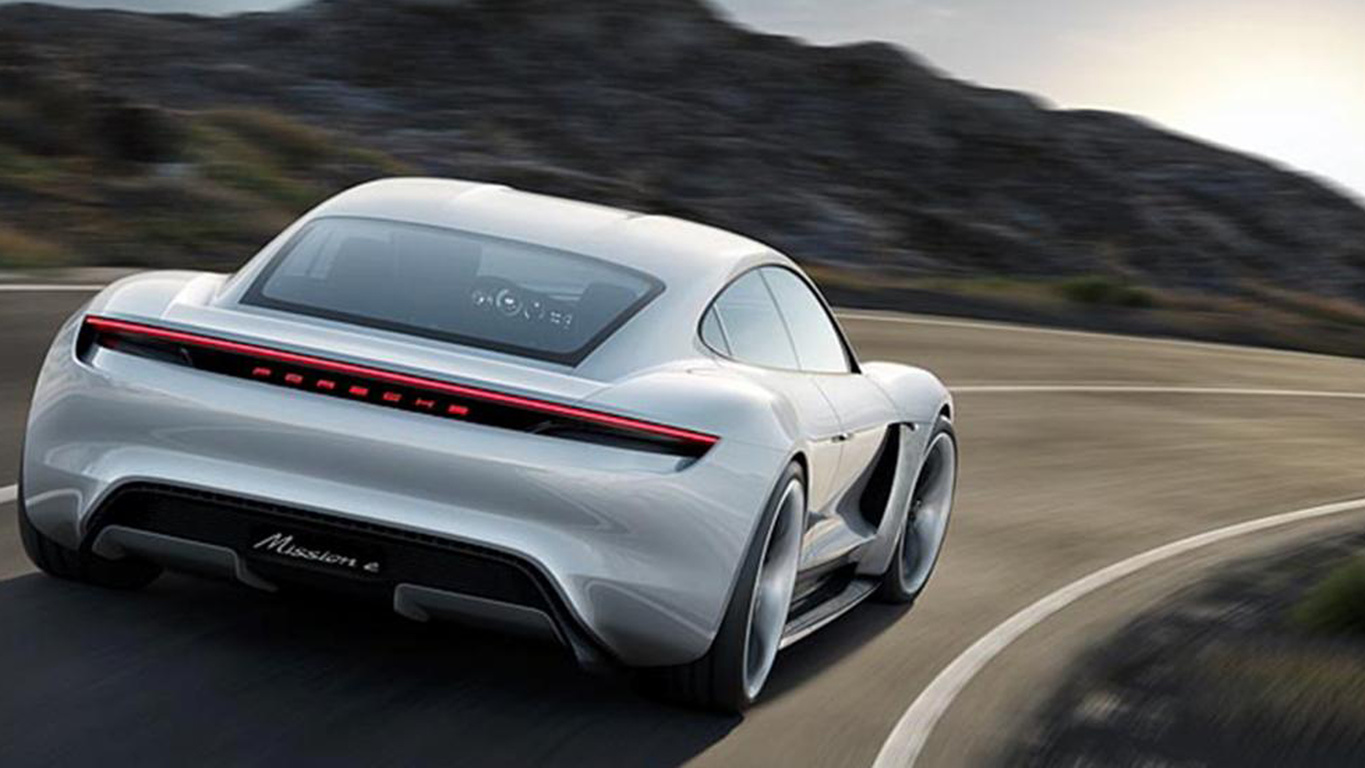
The gorgeous Mission E concept was green lit for production by Porsche with intentions of taking on Tesla’s success as a high performance electric automaker, and now Bentley wants to douse those plans in opulent luxury.

Bentley Plans To Copy Porsche's Electric Tesla Fighter

Speaking to Drive.com, Bentley board member Rolf French, who is responsible for the British luxury brand’s engineering department, confirmed plans to piggy back Porsche during the launch of the Bentayga SUV in Palm Springs last week.

While Porsche’s first all-electric model will almost certainly be a sedan, French mentioned that Bentley would have a firm idea of its plans for an electric car in the next six months, but that the hot Speed 6 coupe concept may be a viable contender to get the goods.

Bentley Plans To Copy Porsche's Electric Tesla Fighter

Whether a sedan or coupe, or both, the all-electric Bentley will take advantage of Porsche’s development of the electric batteries, motors, and other hardware for the electric platform.

It’s unclear if Bentley will pick up any of the R&D costs, but either way a second model under a different brand will help increase volume and make the massive engineering project a little easier to swallow in a market stiff on tradition.

Companies within Volkswagen “borrowing” from each other is nothing new, with the new Audi R8 based on the Lamborghini Huracan being a good example of extremely similar high performance automobiles under the same umbrella.

And like those two very special cars, it’s going to be tough to pick a favorite between Porsche’s beautiful Mission E concept and Bentley’s athletic Speed 6—if that’s the direction they take.

Photos: Bentley EXP 10 Speed 6 concept, Porsche Mission E concept

http://jalopnik.com/bentley-plans-to-copy-porsches-electric-tesla-fighter-1758385524?xing_share=news

Look out Elon – Porsche showing off the Mission E

http://www.youtube.com/watch?v=HdYg2EPMKiI

http://www.youtube.com/watch?v=cqG2iJVLkek

Porsche-MissionE-2 Porsche-MissionE-3 Porsche-MissionE-4 Porsche-MissionE-5 Porsche-MissionE-6 Porsche-MissionE-7

US-Electric-Car-Sales


In September, Porsche showed off the Mission E, a fully electric and fully beautiful concept made to dethrone Tesla motors as the EV industry’s king of cool.

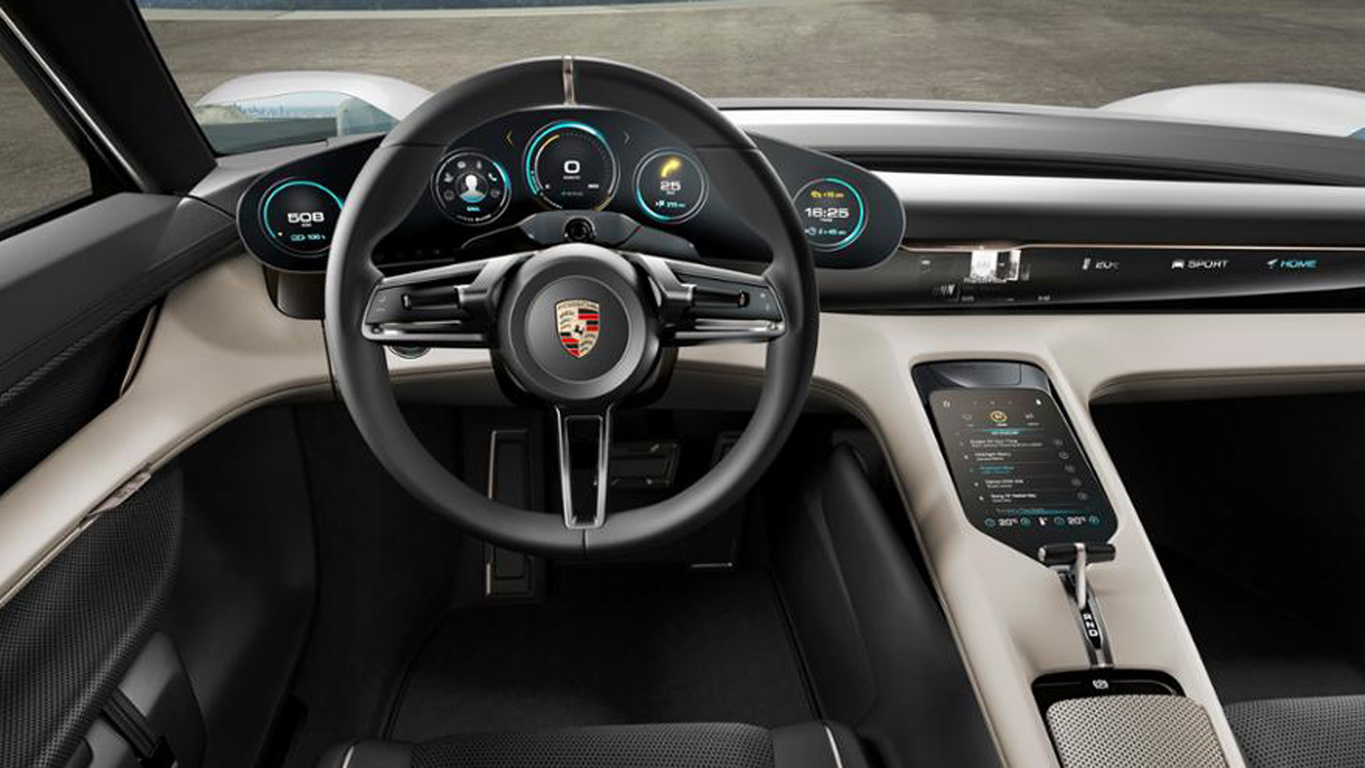
Today, Porsche announced it’s investing more than a billion dollars to bring the Mission E to production. As in, you’ll be able to buy one. We’re light on details—like the size of the battery, or when we’ll actually see one on the road—but we’ve got the most important numbers. The motor (or motors, Porsche hasn’t said) will produce more than 600 horsepower. The four-seater Mission E will go from 0 to 62 mph in under 3.5 seconds. And it will go 310 miles on a charge.

Porsche, which faces increasingly strict fuel emission standards from US and European authorities, been working with batteries for a few years now, with top notch results. It already offers plug-in hybrid versions of the Panamera and Cayenne, it’s successfully raced a 911 hybrid. Then there’s the flat-out amazing gas-electric 918 Spyder supercar and 919 Hybrid that won at Le Mans this year. So it makes sense to make the next step a full electric.

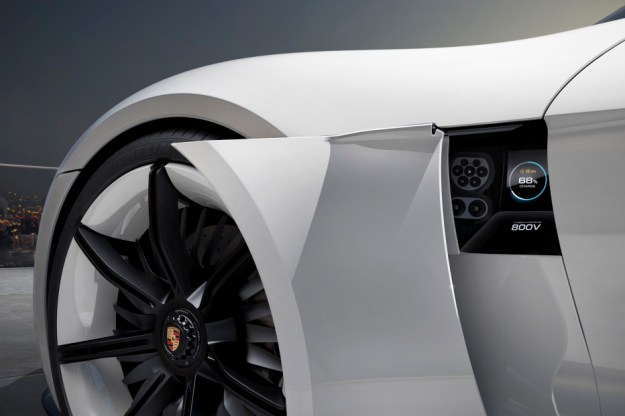
Compared to Tesla’s current range-topper, the excellent Model S P90D, the Mission E will offer a bit less power and a slower acceleration time. But Porsche wins on range—the longest-legged Tesla goes roughly 286 miles on a charge. Here, the Germans have a second advantage: They’re working on an 800-volt charger that will power the car up to 80 percent in just 15 minutes, half the time it takes the Tesla.

Porsche, which faces increasingly strict fuel emission standards from US and European authorities, been working with batteries for a few years now, with top notch results. It already offers plug-in hybrid versions of the Panamera and Cayenne, it’s successfully raced a 911 hybrid. Then there’s the flat-out amazing gas-electric 918 Spyder supercar and 919 Hybrid that won at Le Mans this year. So it makes sense to make the next step a full electric.

Porsche plans to build the battery into the floor of the car, like Tesla does, so you can expect a very low center of gravity, great news for performance. But really, the Mission E wins on looks. The Model S and Model X SUV are lovely designs, but the Porsche is simply gorgeous, in the way only a Porsche can be. We’ve only seen the concept version, but hopefully Porsche will be smart enough to change as little as possible on the way to production.

http://www.wired.com/2015/12/porsches-electric-mission-e-is-poised-to-whoop-teslas-model-s/

Mission Electro: Porsche greift Tesla an

Source: http://futurezone.at/produkte/mission-e-porsche-greift-tesla-an/152.791.507

Porsche präsentierte auf der Internationalen Automobil Ausstellung sein Konzeptfahrzeug „Mission E“. Der E-Porsche soll auf eine Reichweite von 500 Kilometer kommen.

Das strombetriebene Fahren erfasst nun auch die  Sportwagenmarke Porsche. Der Chef der VW-Tochter, Matthias Müller, hatte sich noch zu Beginn des Jahres zurückhaltend über einen E-Porsche geäußert, am Montag zeigte der Konzern auf der Internationalen Automobil Ausstellung (IAA) in Frankfurt sein Konzeptfahrzeug „Mission E“ -.

Porsche-E1 Porsche-E2 Porsche-E3

500 Kilometer Reichweite

Der E-Sportwagen soll ebenso wie der US-Konkurrent Tesla S auf eine Reichweite von 500 Kilometer kommen. Der „Mission E“ soll über 600 PS (440 kw) verfügen und in unter 3,5 Sekunden von null auf 100 km/h beschleunigen können, wie es in einer Presseaussendung der VW-Tochter heißt.

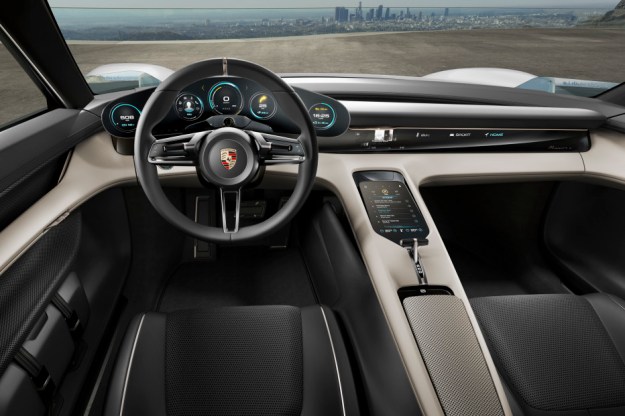
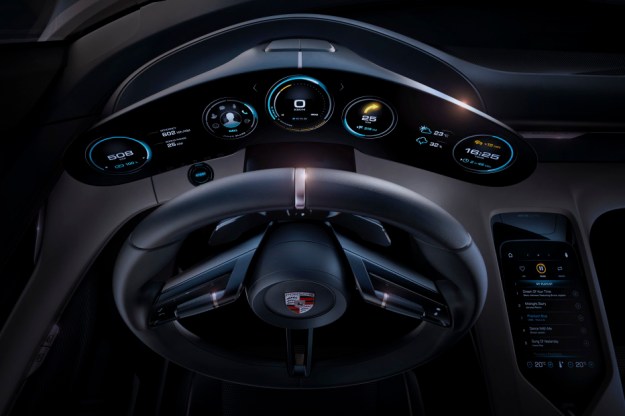
Porsche wirbt auch damit, dass die Batterie des Sportwagens schon binnen 15 Minuten zu 80 Prozent aufgeladen werden kann. Dafür soll das „Porsche Turbo Charging“ über einen 800-Volt-Anschluss sorgen. Die Instrumente des E-Autos sollen über Blick- und Gestensteuerung bedient werden können, „teilweise sogar über Hologramme“, wie es in der Porsche-Aussendung heißt.