Archiv der Kategorie: Innovatoren

What can we learn from Elon Musk?

The three fundamentals to Elon Musks success.

1. UPDATING YOUR SOFTWARE

How to constantly build your knowledge and understanding.

An oft asked question of Musk – ‘How did he learn so much?’

Since childhood, he has been a tireless self learner. At the age of 10 he resorted to reading Encyclopedia Britannica after devouring every other book at home.

From interviews and discussions with Musk, its becomes apparent that he views people as computer systems, being made up of hardware (body) and software (mind). Recognizing that your software is one of the most powerful tools that you possess, Musk works tirelessly on updating his, feeding it with more knowledge and information when he wants to understand a problem.

Jim Cantrell, one of the founding team members of SpaceX comments on Musk’s incredibly fast learning ability:

“He literally sucks the knowledge and experience out of people that he is around. He borrowed all of my college texts on rocket propulsion when we first started working together in 2001.”

In 2000, before Musk had even set up SpaceX, he began devouring books on propulsion, avionics and aeronautical engineering. He already knew that his goal was landing people on Mars, now he just needed to upgrade his software with the information and tools on how to accomplish it.

A trait that underpins Musk’s model of thinking is being able to quickly consume and understand complex information, then plan with clarity how to apply it in making progress towards his goal. People are impressed with his deep knowledge across a wide range of technical subjects, from electrical, structural, mechanical, aeronautical, and software engineering through to business strategy and more.

“I think most people can learn a lot more than they think they can. They sell themselves short without trying.

One bit of advice: it is important to view knowledge as sort of a semantic tree — make sure you understand the fundamental principles, i.e. the trunk and big branches, before you get into the leaves/details or there is nothing for them to hang on to.”

Elon Musk

This habit of self learning and forcing himself to understand new concepts, gives him a huge internal database of knowledge that he is then able to run through his internal problem solving tool.

2. REASONING FROM FIRST PRINCIPLE

How to get to the nucleus of a problem and understand the facts.

Aristotle described a first principle as, “[the] first basis from which a thing is known”.

It means basing conclusions on fundamental truths, not on assumption or analogy.

Reasoning from first principles requires mental effort. It means boiling things down to their most basic truths, and reasoning up from those truths. It requires you to actively engage your brain and work ideas through.

The alternative to this is reasoning by analogy. Assuming something is true or correct because it’s similar to something else that has been done before.

Musk is a master of using the scientific method of first principle reasoning, and applying it to problem solving scenarios. Here is one example;

“Historically, all rockets have been expensive, so therefore, in the future, all rockets will be expensive. But actually that’s not true. If you say, what is a rocket made of? It’s made of aluminium, titanium, copper, carbon fiber. And you can break it down and say, what is the raw material cost of all these components? If you have them stacked on the floor and could wave a magic wand so that the cost of rearranging the atoms was zero, then what would the cost of the rocket be? And I was like, wow, okay, it’s really small—it’s like 2% of what a rocket costs. So clearly it would be in how the atoms are arranged—so you’ve got to figure out how can we get the atoms in the right shape much more efficiently.

And so I had a series of meetings on Saturdays with people, some of whom were still working at the big aerospace companies, just to try to figure out if there’s some catch here that I’m not appreciating. And I couldn’t figure it out. There doesn’t seem to be any catch. So I started SpaceX.”

Elon Musk

In our day to day, we make most decisions based on analogy. It would simply take too much mental time and capacity to question every single small decision during the day.

But when it comes to big decisions, it’s important to reason from first principle. Make sure you know the facts, data and figures, don’t just follow the crowd and assume.

3. HARD WORK

How to give your ideas the best chance of success.

Highly intelligent, fast learning, dynamic problem solving ability and lots of money, they’ve all contributed to the success of Musk’s endeavours. But there’s another key character trait to the man which has been critical to his success – an incredible and highly efficient work ethic.

“Work like hell. I mean you just have to put in 80 to 100 hour weeks every week. [This] improves the odds of success. If other people are putting in 40 hour work weeks and you’re putting in 100 hour work weeks, then even if you’re doing the same thing you know that… you will achieve in 4 months what it takes them a year to achieve.”

Elon Musk

The fact is that Elon Musk gets a lot done. Running two separate billion dollar companies requires making a lot of decisions and having eyes on many moving parts. Here are some of the key aspects to Musk’s working process that make him so efficient.

– 100 hours a week – has noted many times that at critical periods in the lifespan of his companies, he has gone from working 80-90 hour weeks up to doing 100 hours a week. It is not unusual for him to work seven days a week, normally rising at 7am and getting to bed around 1am.

– Batching – or multitasking, he combines multiple tasks which can be done together effectively e.g. Emailing while reviewing spreadsheets, meetings over lunch, etc.

– Scheduling – A man as busy as Musk needs to run to a tight schedule to be efficient. He spends Monday and Thursday at SpaceX in LA, Tuesday and Wednesday at Tesla in the Bay Area, and splits Friday between both. His assistant has his planner broken down into five minute slots, and there’s a long line of people trying to get ahold of him for that time. Efficient scheduling is a behaviour pattern seen in many highly successful people.

– Feedback loop – Musk is a strong believer in constructive criticism. He constantly bounces ideas off colleagues and advisors to sense check them. Open and honest criticism should be encouraged to help improve an idea or product. “Constantly think about how you could be doing things better and questioning yourself.” – Elon Musk

– Caffeine – „To get through the day, Musk relies on two stimulants: caffeine and a desire to help humanity colonize Mars. Until he recently started cutting back on the former, Musk consumed eight cans of Diet Coke a day, as well as several large cups of coffee. „I got so freaking jacked that I seriously started to feel like I was losing my peripheral vision,“ he says. If he realizes how crazy this sounds, he doesn’t let on.” – from Inc Magazine.


https://www.quora.com/What-can-we-learn-from-Elon-Musk

The Top 100 Brands for Millennials

Millennials make up a crucial group of consumers. Ad agency Moosylvania asked over 3,500 millennials — defined as 20 to 35-year-olds — to select their favorite brands over the past three years. Great Questions, LLC helped rank the winning brands. These brands are the ones that came out on top. Some are surprising — others, not so much. A common theme for successful brands? Engaging with millennial consumers via social media.

100. Audi

100. Audi

Robert Libetti/ Business Insider

Headquarters: Ingolstadt, Germany

Place on last poll: Not applicable (*Note: Moosylvania’s previous poll from spring 2015 only contained the top 50 brands for millennials.)

Why it’s hot: Audi used a mobile app to connect with its users during the 2015 Audi Cup, allowing users to be parts of the experience.


99. Subaru

99. Subaru

Subaru

Headquarters: Tokyo, Japan

Place on last poll: N/A

Why it’s hot: Subaru’s Winterfest integrated an entire winter culture to go with the brand. It gave Subaru owners perks such as free snowboarding clinics —  and more. This helped the brand develop a different kind of image — one with the outdoors and adventure — which can be appealing to millennials.

98. Nestle

98. Nestle

REUTERS/Brendan McDermid

Headquarters: Vevey,  Switzerland

Place last poll: 34

Why it’s hot: Nestle’s Nescafe created „social art“ in Croatia by placing its red mugs all over the city. This, Moosylvania says, appealed to millennials. Nestle also manufactures many popular candies.

97. Johnson & Johnson

Headquarters: New Brunswick, New Jersey

Place on last poll: N/A

Why it’s hot: The „ACUVUE 1-DAY Contest“ allowed users to meet with popular celebrities and receive a brief mentorship. This has helped the brand cater to millennials, and not just be known as a producer of baby powder.

96. DC Shoes

Headquarters: Huntington Beach California

Place on last poll: N/A

Why it’s hot: DC Shoes is about cultivating a skateboarding lifestyle. Additionally, the brand engaged its audience by with its #TraseYours campaign, wherein the Talenthouse community of artists were able to design shoes for chances to win cash prizes. Better yet, the winning design had the chance of being produced by DC Shoes.

95. Carter’s

95. Carter's

Instagram/Carters

Headquarters: Atlanta, Georgia

Place on last poll: N/A

Why it’s hot: The Carter’s website proves that the brand has nailed ecommerce. In fact, the brand has mastered social media. Therefore, Moosylvania found that it’s very appealing to millennial parents who want to share photos of their babies (wearing Carter’s apparel, no less) with its hashtag #lovecarters. Carter’s features those photos of adorable tykes on its website, too.

94. Calvin Klein

94. Calvin Klein

Calvin Klein Facebook

Headquarters: New York, NY

Place on last poll: N/A

Why it’s hot: Calvin Klein utilizes popular celebrities for its campaign. It also is savvy when it comes to the social sharing culture — its #MyCalvins campaign has successfully capitalized on that.

93. Axe

93. Axe

Axe

Headquarters: Unilever N.V. Rotterdam, Netherlands

Place on last poll: N/A

Why it’s hot: Axe’s #KissForPeace campaign — and its corresponding ad — were right in line with Axe’s signature tone. It also engaged Axe’s consumers with the nonprofit organization, Peace One Day, and millennials love when a company supports a cause.

92. Subway

92. Subway

Flickr/Bubby

Headquarters: Milford, Connecticut

Place on last poll: N/A

Why it’s hot: Subway has long reigned supreme when it healthy fast food, but recently, Chipotle has dethroned the chain. The chain lost a lot of clout when Jared Fogle, the brand’s former spokesperson, was associated with child pornography.

91. Jeep

91. Jeep

Thomson Reuters

JEEP GRAND CHEROKEE AT NEW YORK AUTOMOBILE SHOW.

Headquarters: Auburn Hills, MI

Place on last poll: N/A

Why it’s hot: Jeep engaged with its consumers with its Endless Jeep Summer campaign, wherein Jeep owners submitted videos to Vine and Instagram.

90. Anthropologie

90. Anthropologie

Anthropologie

Headquarters: Philadelphia, Pennsylvania

Place on last poll: N/A

Why it’s hot: Anthropologie is Urban Outfitter’s finely curated and refined sister brand, so it makes sense that the brand chose to engage with its consumers via Pinterest, the social channel that’s all about curation, with its #PintoWin contest.

89. Publix

89. Publix

brownpau/flickr

Headquarters: Lakeland, Florida

Place on last poll: N/A

Why it’s hot: Publix’s app has simplified shopping. An easier shopping experience is more crucial than ever, given the rise of grocery delivery services.

88. General Mills

88. General Mills

bpende / Flickr

Headquarters: Minneapolis, MN

Place on last poll: N/A

Why it’s hot: General Mills‘ Fiber One brand has been nailing its marketing, with its funny ads, and its socially-driven contest like #FiberOneCheesecake, which gave users the opportunity to win cheesecake for an entire year.

87. ESPN

87. ESPN

Michelle McLoughlin/Reuters

Headquarters: Bristol, Connecticut

Place on last poll: N/A

Why it’s hot: ESPN’s Fantasy Football app engaged consumers and helped the network bring a popular past time into the next generation.

86. ACER

86. ACER

Amazon

Headquarters: Taipei, Taiwain

Place on last poll: N/A

Why it’s hot: Acer’s tablets work in tandem with billboards, which allows consumers to interact with brands on a whole new level.

85. Wendy’s

Headquarters: Columbus, Ohio

Place on last poll: 47

Why it’s hot:  One of Wendy’s recent marketing campaigns was ultra-focused on millennials, with the young „Red“ character in commercials and new items like pretzel cheeseburgers. Wendy’s has always emphasized being fresher than competitors, making every burger to-order and not freezing beef. In the era of Chipotle, this message resonates with millennials.

84. Trader Joe’s

84. Trader Joe's

Christian Storm/Business Insider

Headquarters: Monrovia, California

Place on last poll: N/A

Why it’s hot: Millennials love Trader Joe’s. Organic food, unique products, and low prices make it a hot destination for millennials. It also boasts its own unique personality — be it the Hawaiian shirts or the pun-laden signs around the stores.

83. J. Crew

83. J. Crew

J. Crew

Headquarters: New York, NY

Place on last poll: N/A

Why it’s hot: Times have been tough for preppy mainstay J. Crew, as it appeared to stray from its roots with odd selections. But a fall collection and the spring/summer 2016 lineup looked generally promising. The brand continues to connect with millennial women, largely in part due to its Creative Director, Jenna Lyons. J. Crew’s „Very Personal Styling“ also appeals to millennials, as does its somewhat-affordable wedding apparel.

82. Gucci

82. Gucci

Thomson Reuters

File photo of a woman holding an umbrella as she walks past a company logo of a Gucci boutique outside a shopping mall in central Guangzhou

Headquarters: Florence, Italy

Place on last poll: N/A

Why it’s hot: Gucci engaged with millennial consumers with a campaign surrounding its classic loafer. The campaign included quizzes, a Pinterest board, and a #Gucci1953HorsebitLoafter hashtag, cementing the luxury brand as a participant in the social community with its own voice.

81. Costco

81. Costco

Thomson Reuters

Shopping carts at Costco in Fairfax, Virginia

Headquarters: Issaquah, Washington

Place on last poll: N/A

Why it’s hot: Now that Costco has partnered with Google, it can serve cash-strapped millennials in urban cities who want to buy things in bulk, but perhaps don’t have the transportation to do so. It already boasts many great deals.

80. Rue 21

80. Rue 21

Instagram/Rue 21

Headquarters: Warrendale, Pennsylvania

Place on last poll: N/A

Why it’s hot: The brand has figured out a way to pull in shoppers. When rue21 launched its new ecommerce site, it held a „Shop & Win“ contest. The contest involved a social sharing aspect as well as the promise of winning clothing.

79. Puma

79. Puma

Puma Facebook

Headquarters: Herzogenaurach, Germany

Place on last poll: N/A

Why it’s hot: While Puma lags in comparison to competitors Nike and Adidas, it still has managed to engage a young audience — especially with its „Dance Dictionary“ feature. Fortunately, Rihanna’s involvement with the brand is helping it tremendously.

78. Playstation

78. Playstation

Sony

Headquarters: San Mateo, California

Place on last poll: N/A

Why it’s hot: Playstation has managed to take gaming to the next level with its Infamous: Second Son game — it features a character with the power to shock others, and yes, players can get shocked.

77. Nordstrom

77. Nordstrom

Scott Olson / Getty Images

Headquarters: Seattle, Washington

Place on last poll: N/A

Why it’s hot: Nordstrom is the department store that’s managing to defy the odds. It recently announced plan to expand its lower-priced concept, Nordstrom Rack. Nordstrom managed to capture and hold onto a young audience by adding Reddit to its social media roster.

76. Nissan

76. Nissan

Newspress

Headquarters: Yokohama, Kanagawa Perfecture, Japan

Place on last poll: N/A

Why it’s hot: Nissan’s „Open The Briefcase“ campaign last year cemented it as a car company that’s fully engaged with its consumers, as it was orchestrated via mobile devices.

75. Dodge

75. Dodge

REUTERS/Rebecca Cook

Headquarters: Auburn Hills, Michigan

Place on last poll: N/A

Why it’s hot: When Dodge partnered with „Anchorman“ to produce an ad featuring the comically legendary Ron Burgundy (Will Ferrell), it cemented itself as a brand that communicated on the same level as many pop-culturally savvy millennials.

74. Toshiba

74. Toshiba

Thomson Reuters

Pedestrians walk past a logo of Toshiba Corp outside an electronics retailer in Tokyo

Headquarters: Minato, Tokyo, Japan

Place on last poll: N/A

Why it’s hot: Toshiba partnered up with Intel and San Francisco ad agency Peira & O’Dell for its „Beauty Inside“ campaign — a piece of branded content that featured six episodes about a character named Alex, who woke up as a different person everyday (including both celebrities…and regular people).

73. Sephora

73. Sephora

Thomson Reuters

People walk out of the Sephora store on the Champs Elysees Avenue in Paris

Headquarters: Paris, France

Place on last poll: N/A

Why it’s hot: Sephora is the premiere destination for all things beauty. Its points and rewards system encourages brand loyalty; consumers keep coming back to obtain points to earn new products. Sephora’s app, Beauty Insider, features „Beauty Boards,“ which allow shoppers to show off their best new looks. It also serves an inspiration board, in the same vein as Pinterest.

72. Netflix

72. Netflix

Thomson Reuters

The Netflix logo is shown in this illustration photograph in Encinitas, California

Headquarters: Los Gatos, California

Place on last poll: N/A

Why it’s hot: There’s a reason people say „Netflix and chill“ and not „cable and chill!“ Netflix’s original series such as „Orange Is The New Black“ and „Unbreakable Kimmy Schmidt“ have turned it into a very influential vehicle in pop culture. It also partnered with popular site Gawker for a documentary club, wherein viewers were able to discuss a weekly program with other people.

71. JCPenney

Headquarters: Plano, Texas

Place on last poll: 18

Why it’s hot: JCPenney has been working to execute a turnaround by focusing on engaging consumers, like with its interactive charity game during the Oscars. JCPenney recently starting incorporating Sephora units into its larger stores.

70. Banana Republic

70. Banana Republic

Banana Republic

Headquarters: San Francisco, California

Place on last poll: N/A

Why it’s hot: Banana Republic partnered with the funny Instagram account #HotDudesReading — promoting First Book, a literacy program for children (and millennials love things with a good cause). Recently, Banana Republic has faced some troubles with fashion missteps and slipping sales.


69. Valve

Headquarters: Bellevue, Washington

Place last poll: 24

Why it’s hot: The video-game development company rose to prominence with its Half-Life franchise in 1998. The brand has a huge following on Facebook and frequently posts giveaways. Steam has also become the premiere gaming platform for many people.

68. Pizza Hut

Headquarters: Wichita, Kansas

Place last year: 21

Why it’s hot:  Pizza Hut tested out movie-projector boxes in Hong Kong, proving that the brand is always looking to innovate. Pizza Huts wacky pizzas, like its Hot Dog Stuffed Crust Pizza, certainly set sparks of intrigue (and maybe disgust) flying throughout social media and the Internet.


67. Marvel

67. Marvel

Marvel

Headquarters: New York, NY

Place on last poll: N/A

Why it’s hot: Marvel is obviously a huge power force in pop culture — its „Avengers“ movies (amongst others) are smash hits, grossing billions of dollars worldwide. Marvel knows its movies generate tremendous hype, so it kept its „Avengers: Age of Ultron“ trailer ‚locked‘ until fans tweeted enough. Moosylvania notes that Marvel received an outrageous amount of tweets — an average of 8,100 tweets a minute worldwide — so it was obviously a successful campaign.

66. Michael Kors

66. Michael Kors

Facebook

Michael Kors rose to popularity because of its handbags.

Headquarters: New York, New York

Place on last poll: N/A

Why it’s hot: Michael Kors bags and watches are very popular with millennials, although a recent rise in ubiquity (along with rapid expansion) has threatened the brand’s level of luxury. It may be too popular for its own good. Still, Moosylvania praises the brand for its memorable 2013 campaign, #WhatsInYourKors, which cemented the brand’s social voice.

65. Facebook

65. Facebook

REUTERS/Stephen Lam

Facebook CEO Mark Zuckerberg is seen on stage during a town hall with Indian Prime Minister Narendra Modi at Facebook’s headquarters in Menlo Park, California September 27, 2015.

Headquarters: Menlo Park, California

Place on last poll: N/A

Why it’s hot: Facebook is a primary vehicle for millennial communication. The „Look Back“ campaign and the recent „memories“ feature cater to millennials‘ love for nostalgia — and better yet, they’re both focused on social sharing.

64. Bath & Body Works

64. Bath & Body Works

AP

Headquarters: Reynoldsburg, Ohio

Place on last poll: N/A

Why it’s hot: Bath & Body works was an icon in the late ’90s and early aughts (and a mainstay for holiday gifts). Bath & Body Works capitalized on millennials‘ love for nostalgia by throwing back to its iconic older fragrances, such as Cucumber Melon and Juniper Breeze with its #FlashbackFragrance campaign.

63. Barnes & Noble

Headquarters: New York, NY

Place on last poll: N/A

Why it’s hot: Yes, these kids still read! And Barnes & Noble knows that. Barnes & Noble also capitalized on social media with its #BNGiftTip campaign, which helped consumers figure out what sort of items to buy for presents via the Internet.

62. AT&T

62. AT&T

Daniel Goodman / Business Insider.com

Headquarters: Dallas, Texas

Place on last poll: N/A

Why it’s hot: AT&T had its own mini-series on Snapchat called „Snapperhero“ — and millennials love Snapchat. AT&T has encouraged its users to submit their own content for the campaign, too. Ultimately, all of it was shared on various social networks. AT&T proved it could communicate on the same level that millennials communicate on. AT&T also remains a popular phone service.

61. Verizon

Headquarters: New York, New York

Place on last poll: 27

Why it’s hot: Verizon is continuing to dominate the mobile space. The company also recently purchased AOL, showing it is interested in producing more content. The company has recently endeared millennials by making its data plan cheaper. The brand also had a campaign that encouraged young people to create mobile apps.

60. Mountain Dew

60. Mountain Dew

Honest Slogans

Headquarters: Purchase, New York

Place on last poll: N/A

Why it’s hot: Mountain Dew has capitalized on the way many millennials communicate — via Snapchat. It announced its new flavors via the social media service. The brand also told a live story via Snapchat when it launched its new Kickstar beverage, causing Fast Company to sing its praises. „Mountain Dew is a brand that is constantly engaging with young consumers,“ the website wrote.

59. Kroger

59. Kroger

REUTERS/Mike Blake

Breakfast cereal is shown for sale at a Ralphs grocery store in Del Mar, California, March 6, 2013.

Headquarters: Cincinnati, Ohio

Place on last poll: N/A

Why it’s hot: Kroger’s loyalty cards track what shoppers buy — so that Kroger’s shoppers don’t just receive random rewards, but rather, rewards that cater to their specific shopping needs. Kroger has been taking many steps to advance its in-store (and delivery) technology.


58. Kraft

58. Kraft

REUTERS/Jonathan Ernst

Kraft macaroni and cheese products are seen on the shelf at a grocery store in Washington, May 3, 2012.

Headquarters: Northfield, Illinois

Place on last poll: 40

Why it’s hot: Kraft scored big points with millennials this year when it announced that starting in 2016, its original Macaroni & Cheese will get its color from natural spices like paprika instead of from artificial additives Yellow 5 and Yellow 6. Kraft’s latest ads have also appealed to millennials, Moosylvania explains, since they look more like GIFs — something millennials love.

57. Gamestop

57. Gamestop

REUTERS/Shannon Stapleton

Headquarters: Grapevine, Texas

Place on last poll: N/A

Why it’s hot: GameStop knows how to cater to its customers. It uses mobile data to help it figure out which games to stock in particular regions. GameStop has avoided the fate of becoming the next ill-fated Blockbuster, by stocking more than just games, featuring downloadable content, and making GameStop not just a store, but a social destination for game-loving shoppers.

56. Chipotle

Headquarters: Denver, Colorado

Place on last poll: N/A

Why it’s hot: It’s no secret — millennials are obsessed with fast casual behemoth Chipotle. Its focus on eliminating GMOs and sustainable ingredients has helped it unseat Subway as the ultimate healthy place to eat. The company is also quirky — Moosylvania points to its haiku contest, wherein consumers could write love haikus to their beloved burritos for the chances to win prizes.


55. Chick-fil-A

55. Chick-fil-A

Hollis Johnson

Headquarters: Atlanta, Georgia

Place on last poll:

Why it’s hot: Chick-fil-A has a cult following, no doubt. Its zealots showed their devotion when they had the opportunity to dress like cows to win free food. Chick-fil-A remains a favorite destination for millennials because the food is fresh…and good.


54. Whole Foods

54. Whole Foods

Mallory Schlossberg/Business Insider

Headquarters: Austin, Texas

Place on last poll:

Why it’s hot: Whole Foods is known for selling fresh, organic food, and for suggesting healthy recipes to consumers. It has engaged consumers on its social networks by encouraging them to share their own food photos.

53. Ebay

53. Ebay

Thomson Reuters

An eBay sign is seen at an office building in San Jose, California

Headquarters: San Jose, California

Place on last poll: N/A

Why it’s hot: Even though reselling clothes is becoming the hottest new thing in retail — and many startups are aiming to disrupt the space — eBay remains the primary place for reselling items on the Internet. eBay has also showed off its cultural colors when it suggested that artists use the hashtag #eBayArtforAll to share their own personal inspirations.  

52. Asus

52. Asus

REUTERS/Pichi Chuang

Asus Padfone 2 tablet

Headquarters: Taipei, Taiwan

Place on last poll: 50

Why it’s hot: This Taiwanese company is a huge PC vendor. The brand is making headlines for its inexpensive Android smartphone and ZenWatch. The brand also plays on popular memes (for example, birds with arms), and has optimized its Internet friendly content, including games and videos. But as more consumers turn to Android, Asus could be challenged.

51. Taco Bell

51. Taco Bell

Taco Bell Online

Headquarters: Irvine, California

Place on last poll: Taco Bell

Why it’s hot: Taco Bell remains wildly popular. It’s #breakfastdefects campaign helped the brand create its own unique, Internet-friendly culture surrounding its breakfast lineup. Taco Bell also rewards fans by giving away free food with occasional contests.


50. Dr. Pepper

50. Dr. Pepper

By andreasivarsson on Flickr

Headquarters: Plano, Texas

Place on last poll: N/A

Why it’s hot: Dr. Pepper not only has a cult following, but it also has taken steps to lure in millennial consumers. It partnered with Spike TV’s popular show, „Lip Sync Battle“ to set up a lip sync booth in Times Square. Some people were selected to have their videos air on the television show.

49. Dove

49. Dove

Dove

Headquarters: Rotterdam, Netherlands

Place last year: 26

Why it’s hot: Dove, which is owned by Unilever, has been succeeding with its „real beauty“ campaigns, which emphasizes natural looks over the typically airbrushed ads, resonate well with millennials. The brand’s „Self Esteem“ Snapchat campaign, in which girls could Snapchat their insecurities and receive a positive response, highlighted the brand’s ethos.

48. HTC

48. HTC

Antonio Villas-Boas/Tech Insider

Headquarters: Xindian District, New Taipei, Taiwan

Place on last poll:

Why it’s hot: HTC made its consumers stars in Times Square — the company encouraged consumers to share their most gorgeous photos for a chance to be shared on a massive billboard in the iconic New York City enclave.

47. Hershey’s

Headquarters: Hershey, Pennsylvania

Plac last poll: 37

Why it’s hot: Hershey’s has dropped artificial colorings from its chocolate. „We are committed to making our products using ingredients that are simple and easy-to-understand, like fresh milk from local farms, roasted California almonds, cocoa beans and sugar – ingredients you recognize, know and trust,“ the company said in a news release.

46. BMW

46. BMW

BMW

Headquarters: Munich, Germany

Place on last poll: N/A

Why it’s hot: BMW served as an official sponsor of the United States Olympics team in 2014, and the automobile company sponsored social campaigns with incentives for consumers, like its #BMWborntoslide campaign, wherein consumers who photographed themselves sliding could a win a trip to Utah to ride in a real bobsled.

45. Ralph Lauren

45. Ralph Lauren

Ralph Lauren

Headquarters: New York, New York

Place on last poll: 30

Why it’s hot: Ralph Lauren’s brand is available at thousands of stores worldwide. The brand has become more active on social media and hired Sports Illustrated cover model Hannah Davis to model its resort collection. The brand also encouraged consumers to be a part of its „Project Warehouse“ campaign last year, which Moosylvania says created an emotional connection between the brand and its consumers.

44. Kellogg’s

Headquarters: Battle Creek, Michigan

Place on last poll: 39

Why it’s hot: Cereal sales might be declining, but the company has mastered digital campaigns, which certainly appeals to millennials.

43. Coach

43. Coach

REUTERS/Fred Prouser

Headquarters: New York, NY

Place on last poll: N/A

Why it’s hot:  Coach’s social media activity and campaigns have made the luxury brand accessible to younger shoppers who don’t have as much money. But, Coach’s ubiquity and accessibility have hurt the brand’s reputation as a luxury retailer, so the brand has been focusing on toning down its promotions to help it become more exclusive again.

42. Honda

42. Honda

Newspress

Headquarters: Hamamatsu, Japan

Place on last poll: 31

Why it’s hot: Honda’s fuel-efficient, compact cars appeal to millennials. But most importantly, the company’s YouTube campaigns for Honda Fit excited millennials. Honda has partnered with major companies such as iHeartRadio, Live Nation, and REVOLT for its YouTube channel.

41. Chevrolet

41. Chevrolet

Chevrolet

Headquarters: Detroit, Michigan

Place on last poll: 23

Why it’s hot: Chevy’s compact, Trax SUV is a hit with urban millennials. The brand’s emoji-themed campaigns also appeal to millennials, who communicate that way.

40. Best Buy

Headquarters: Minneapolis, Minnesota

Place on last poll: 28

Why it’s hot: Best Buy has been successfully growing sales and revenue through its television business. Executives at Best Buy have made it clear that 4K Ultra High Definition televisions are the future of the business. Last year, the brand appealed to consumers during the holiday season by encouraging them to post what they wanted online with a #hintingseason hashtag.


39. Macy’s

39. Macy's

Kena Betancur/Getty

People enter the Macy’s store at the Newport Mall on November 27, 2014 in Jersey City, New Jersey.

Headquarters: Cincinnati, Ohio

Place on last poll: 16

Why it’s hot: Millennials are spending less money on clothes, which is bad news for Macy’s. In order to attract younger shoppers, the brand has been investing in trendier clothing lines and other categories like home goods and cosmetics. But Macy’s has been also focusing on its social campaign, like its #MacysLoveMoms. For every photo memory or tweet shared, the company donated $3 to a charity.

38. Express

38. Express

Facebook/Express

Headquarters: Columbus, Ohio

Place on last poll: N/A

Why it’s hot: Express rewards shoppers by not just using their store credit cards, but by getting involved with Express in other ways, too — like retweeting its tweets and singing up for its text message alerts. For every 2,500 points, shoppers earn $10. This helps Express ensure customer loyalty.

37. Aeropostale

37. Aeropostale

AP

Headquarters: New York, New York

Place on last poll: 46

Why it’s hot: Despite falling out of favor with the teen set, Aeropostale still maintains some loyalty with the 20-somethings who wore it in high school. The brand’s status, however, is falling fast as young people increasingly move away from logos. The brand has appealed to millennials by incorporating YouTube personality Bethany Mota into its marketing and fashion plans. (The company filed for Chapter 11 bankruptcy in May.)

36. Hewlett-Packard

36. Hewlett-Packard

Lisa Eadicicco

Headquarters: Palo Alto, California

Place on last poll: 35

Why it’s hot: Young consumers love Hewlett-Packard’s relatively inexpensive laptops. Still, they remained threatened by Apple’s dominance in the industry.

35. Gap

35. Gap

Hollis Johnson/Business Insider

Headquarters: San Francisco, California

Place on last poll: N/A

Why it’s hot: Although Gap’s „Dress Normal“ campaign generally misfired, it succeeded on some points. Moosylvania points to tis „Play Your Stripes“ game in collaboration with Blood Orange, where people could ‚play‘ the stripes on their clothes to create music.

34. Frito Lay

34. Frito Lay

Hollis Johnson

Headquarters: Plano, Texas

Place on last poll: N/A

Why it’s hot: Lay’s won big with its Do Us A Flavor contest. People who shared their digitally designed flavors online were eligible to win bags of their designed chips — and some even got to have their flavors nationally produced. (Business Insider went ahead and tested some of these wacky flavors).

33. Toyota

33. Toyota

Toyota

Headquarters: Toyota, Aichi Prefecture, Japan

Place on last poll: N/A

Why it’s hot: Toyota has teamed up with YouTube stars like Rhett & Link for campaigns, proving it knows how to cater to its audiences. Moosylvania also highlights its 2014 #CarsThatFeel campaign, which incorporated LED lights into Priuses for the 2014 Vivid Light Festival in Sydney Harbor. The cars had ‚personalities‘ and ‚feelings‘ and interacted with people, which is certainly intriguing.

32. McDonald’s

Headquarters: Oak Brook, Illinois

Place on last poll: 17

Why it’s hot: The brand has been introducing more fresh ingredients and customizable burgers to compete with fast casual brands. It’s #PayWithLovin campaign also appealed to millennials. The company is also launching a new salad mix that is more colorful, perhaps to appeal to health-conscious millennials.

31. H&M

Headquarters: Stockholm, Sweden

Place on last poll: N/A

Why it’s hot: H&M knows what its consumers want. Moosylvania points to the racy campaign where shoppers could choose how David Beckham would appear in one of its ads — with or without clothes (he was wearing briefs, of course!). H&M has also managed to lure many sartorially minded shoppers with its high-profile collaborations.

30. Under Armour

30. Under Armour

Facebook/Under Armour

Headquarters: Baltimore, Maryland

Place on last poll: 45

Why it’s hot: Under Armour has exploded in popularity in recent years thanks to signing famous athletes like Stephen Curry and smart marketing of its performance-wear. The brand is rapidly catching up to competitors Lululemon and Nike, especially as it incorporates more technologically-focused apparel into its lineup.

29. Levi’s

Headquarters: San Francisco, California

Place on last poll: N/A

Why it’s hot: Levi’s has benefited from young consumers‘ tendency to wear denim and casual clothing to work. But now, many millennials are abandoning denim entirely, choosing to wear athletic attire instead. To combat this problem, Levi’s has been designing jeans that are stretchy and more form-fitting in nature, to put them in line with athleisure-style apparel.

28. Dell

28. Dell

Lisa Eadicicco

Headquarters: Round Rock, Texas

Place last poll: 15

Why it’s hot: Dell is another company benefiting from millennials‘ reliance on technology. The company’s laptop and desktop computers are especially popular with the young set. But most crucially, Moosylvania explains that Dell really appealed to millennials by sending YouTube celebrities Smosh on a road trip, chronicling it all with a Dell Venue 8 Tablet.

27. Vans

Headquarters: Cypress, California

Place on last poll: 25

Why it’s hot: Vans started out selling skater shoes, but has since gone mainstream. The company has benefited from athletic footwear becoming more fashionable than dress shoes.

26. Hollister

Headquarters: Columbus, Ohio

Place on last poll: N/A

Why it’s hot: Hollister signifies a beachy lifestyle. The company owned that attitude by renting a beach house in California in summer 2014, tapping top artists to perform. The brand had stylists give consumers advice online, too. The brand proved that it was in touch with its consumers favorite celebrities while also engaging in a conversation with its shoppers.


25. Victoria’s Secret

25. Victoria's Secret

Dimitrios Kambouris/Getty Images

Headquarters: Columbus, Ohio

Place on last poll: 38

Why it’s hot: Victoria’s Secret is the undisputed leader of the lingerie market, controlling 61.8% of the market share, according to IBIS World. The company’s marketing strategy, which includes its famous Angels, is seen as one of the best in the business.

24. Kohl’s

Headquarters: Menomonee Falls, Wisconsin

Place on last poll: N/A

Why it’s hot: Kohl’s rewards program ensures customer loyalty without needing a store credit card. In fact, customers can earn points by doing the simplest activity such as pinning images on Pinterest. Kohl’s lower prices can also lure millennials.

22. Hot Topic

22. Hot Topic

flickr / camknows

Headquarters: Industry, California

Place on last poll: N/A

Why it’s hot: Hot Topic is more than just a destination for clothing for millennials — it’s become an entire lifestyle, with its focus on the music industry and pop culture. The store even sponsors shows.

23. Old Navy

23. Old Navy

AP Photo/Ed Betz

Shoppers wait in line to pay at an Old Navy store in Deer Park, N.Y.

Headquarters: San Francisco

Place on last poll: N/A

Why it’s hot: Old Navy’s digital campaigns have been massive hits — Moosylvania points to its 2014 Christmastime Vine campaign, but the company’s „#Unlimited“ viral video, which has over 12 million views on YouTube. The company has also delivered quirky spots starring Julia Louis-Dreyfus. Old Navy understands how to market content to the Internet generation, though sales have been slipping lately.

21. Disney

Headquarters: Burbank, California

Place on last poll: N/A

Why it’s hot: Moosylvania points out Disney’s unique campaign „Disney Side,“ wherein shoppers would walk by a billboard a the Westfield Sunrise Center in Massapequa and see iconic Disney characters. This was a huge social media hit.

20. LG Corporation

20. LG Corporation

REUTERS/Gustau Nacarino

A model holds a curved G Flex smartphone by LG Electronics during the Mobile World Congress (MWC) in Barcelona February 24, 2014.

Headquarters: Busan, South Korea

Place on last poll: 48

Why it’s hot: LG’s funny #MomConfessions campaign proved the LG knew how to cater to millennials — through humor and social media.

19. Ford

19. Ford

REUTERS/Wolfgang Rattay

The new Ford Vignale is presented during a media preview day at the Frankfurt Motor Show (IAA) September 10, 2013.

Headquarters: Dearborn, Michigan

Place on last poll: 19

Why it’s hot: Ford is repositioning its brand to seem more luxury and compete with auto-makers like BMW and Mercedes with the launch of the new Vignale brand. The new line of compact sedans could resonate with millennials, who prefer smaller cars then their parents‘. Ford has also embraced social media with Instagram contests.

18. Converse

Headquarters: Boston, Massachusetts

Place on last poll: 20

Why it’s hot: Converse has seen sales boom as more millennials wear sneakers to work and other occasions. Athletic apparel and footwear is set to outperform the industry for the next five years, according to Morgan Stanley. Converse’s „Made By You“ campaign allowed consumers to show off their unique attributes and lives — using Converse as a vehicle for it all.

17. American Eagle

Headquarters: Pittsburgh, Pennsylvania

Place on last poll: N/A

Why it’s hot: American Eagle has managed to avoid the fate of many of its competitors by not falling victim to the low sale prices utilized by many fast fashion stalwarts. Most crucially, American Eagle has won the heart of millennial females with Aerie, its lingerie subset, which proudly boasts Photoshop-free ads. Since nixing Photoshop, sales have soared.

16. Starbucks

Headquarters: Seattle, Washington

Place on last poll: 22

Why it’s hot: Starbucks has been expanding its menu to include more food options such as sandwiches and salads — and even wine at some locations. It has also added drive-thrus to many locations. Additionally, it allows consumers to have a say in its products — like when it had consumers vote on new frappuccino flavors in the summer, granting the winning beverage a lower price, Moosylvania notes.

15. Pepsi

15. Pepsi

Thomson Reuters

Cases of Pepsi are displayed for sale in Carlsbad

Headquarters: Purchase, New York

Place on last poll: 10

Why it’s hot: PepsiCo has introduced a beverage sweetened with natural sweetener Stevia called Pepsi True. The company says the new product „will continue to provide consumers with the crisp, refreshing zero-calorie cola taste they expect from Pepsi.“ It also removed artificial ingredient aspartame from Diet Pepsi. The brand’s 2014 YouTube hit, „Unbelievable,“ was a smash with viewers, garnering over 7 million hits.


14. Jordan

Headquarters: Beaverton, Oregon

Place on last poll: 9

Why it’s hot: Many of Nike’s Jordan brand sneakers are prominent on the billion-dollar reselling market.  A growing culture of so-called sneakerheads buy collectible footwear on eBay, Craigslist, and other sites. Jordan’s „We Are Jordan“ campaign had an interactive element, too.

13. Adidas

Headquarters: Herzogenaurach, Germany

Place on last poll: 14

Why it’s hot: Adidas is going to start offering customized shoes to appeal to millennials. It also is working to reduce the time between when products are designed and when they hit shelves. Still, the brand continues to lose market share to Nike.

12. Forever 21

12. Forever 21

REUTERS/Lucas Jackson

Women shop for clothes in clothing retail store Forever 21 in New York.

Headquarters: Los Angeles, California

Place on last poll: 36

Why it’s hot: Forever 21 offers fast fashion at unbeatable prices and has expanded tremendously in two decades.

10. Coca-Cola

10. Coca-Cola

Donald Bowers/Getty Images

Headquarters: Atlanta, Georgia

Place on last poll: 8

Why it’s hot: Coca-Cola remains the clear leader in the soda market. The brand also scored high points for its „Share a Coke“ campaign, which featured common names on Coke bottles. Now, with its „Tweet a Coke“ campaign, people can send Cokes to others. Still, Coca-Cola’s partnership with Keurig for the Keurig Kold failed to resonate with consumers.

11. Nintendo

11. Nintendo

YouTube/cobanermani456

Headquarters: Kyoto, Japan

Place on last poll: 13

Why it’s hot: Many millennials feel nostalgic toward Nintendo because they played its games as kids. This has led to brand loyalty in adulthood. 2015 was also the 30th anniversary of Super Mario, and the brand encouraged users to participate in a campaign called „Let’s Super Mario,“ allowing users to submit their own Mario-related content — all of which would be shared on a site where many could see it.

9. Wal-Mart

9. Wal-Mart

Wal-Mart

Headquarters: Bentonville, Arkansas

Place on last poll: 5

Why it’s hot: Wal-Mart gave its workers a raise this year and has pledged to adopt more humane standards for the meat it sells. It also opened smaller format stores that resonate with millennials more than supercenters. Its „Neighborhood Market“ grocery concepts could rival those of Whole Foods, and its app helps consumers find savings throughout the store.

8. Google

8. Google

AP

Headquarters: Menlo Park, California

Place on last poll: 12

Why it’s hot: Google’s smartphone apps have become essential for many millennials. Its Gmail program is also extremely popular. Google continues to find ways to be a part of users‘ everyday lives.

7. Amazon

7. Amazon

REUTERS/Phil Noble

Headquarters: Seattle, Washington

Place on last poll: 11

Why it’s hot: This year, the company started offering one-hour delivery for members of its Prime service and expanded its grocery delivery business to New York City. The company also announced a new gadget called the Dash Button, which will make it easier for consumers to order household items, such as detergent, when they are running low. Amazon has also connected with Twitter.


6. Target

6. Target

Associated Press

A Target employee hands bags to a customer at the register at a Target store in Colma, Calif.

Headquarters: Minneapolis, Minnesota

Place on last poll: 6

Why it’s hot: Target invented the idea of „cheap chic“ two decades ago. Today, the company is revamping its grocery selections for millennials. Target has also worked to cement itself as the premiere destination for back-to-school college goods.


5. Microsoft

5. Microsoft

Microsoft

Nick Parker, corporate vice president of Microsoft’s OEM Division, and Felicia Guity, general manager in Microsoft’s OEM Division

Headquarters: Redmond, Washington

Place on last poll: 7

Why it’s hot: Cloud computing, mobile apps, and holographic computing are driving Microsoft to record profits. The brand recently did a demo showing how personal computers could become holographic. Its Microsoft Band even features Uber and Facebook apps — two very popular apps. Microsoft has also been using LinkedIn to comunicate with its consumers.

4. Sony

4. Sony

REUTERS/Toru Hanai

Sony Mobile Communications Inc President and CEO Hiroki Totoki poses with Sony’s new Xperia Z4 smartphone after a news conference in Tokyo April 20, 2015.

Headquarters: Minato, Tokyo

Place last poll: 4

Why it’s hot: Sony’s Playstation, gaming, photo, and music businesses are booming. Sony is aggressively investing in these areas. The company also has popular smartphones. Sony also utilized a concept called One Stadium Live for the 2014 World Cup, creating a single platform for all World Cup-related social media.

3. Samsung

Headquarters: San Jose, California

Place last poll: 3

Why it’s hot: Samsung’s Galaxy phones and tablets are extremely popular with millennials. The brand’s latest Galaxy S6 smartphone received rave reviews.

2. Nike

Headquarters: Beaverton, Oregon

Place on last poll: 1

Why it’s hot: When it comes to active wear — and apparel in general — Nike is the go-to brand. Data also shows that millennials believe exercise is essential for health, while their parents only focused on their diets. Nike has focused on incorporating top-tier technology into its clothing.

1. Apple

1. Apple

Business Insider / Matt Johnston

Headquarters: Cupertino, California

Place on last poll: 2

Why it’s hot: Apple has a fanatical following, and many of its customers are millennials. The company’s iPhones, iPads, and Macbooks are wildly popular. Last year, Apple made headlines with its new watch.

http://www.businessinsider.de/top-100-millennial-brands-ranking-2015-5?op=1


Diane Greene, the woman Google acqui-hired in November to transform its fragmented cloud business

The first thing to understand about Diane Greene, the woman Google acqui-hired in November to transform its fragmented cloud business, is that she has the mind of an engineer.

Cool technology, elegantly designed and built, lights her up. Even her jokes tend to be geek oriented.

A lifelong competitive sailor, she was a mechanical engineer who built boats and windsurfers before she became an iconic Silicon Valley computer scientist.

The second thing to understand about her is that she hates the limelight.

While she’s fine with standing on stage talking about all the cool things Google is building for their new target customer, big companies, she prefers not to talk about herself.

In fact, she’s so ego-free, her office at Google’s Mountain View, California, headquarters is just a tiny windowless room, big enough to hold an ordinary desk and two chairs.

Diane GreeneBusiness InsiderDiane Greene.

Before she took the job, Google had been building products and pursuing business customers in a sort of hodgepodge way. Its Google for Work unit had Google Apps, Chromebooks, and an assortment of other products like videoconferencing.

It had poached Amit Singh from Oracle a few years back to help turn Google Apps into a more professional business unit, capable of taking on Microsoft Office. He had hired salespeople and created a support organization. (He’s since moved on to work for Google’s young virtual-reality unit.)

But Google for Work wasn’t working very closely with Google’s nascent cloud-computing business, running under Urs Hölzle.

That unit included a huge cadre of people running Google’s data centers (600 computer-security experts alone, for instance), but only a small separate sales force.

In the seven months since Greene came in that’s changed. She:

  • hired experienced enterprise sales and support personnel.
  • created the office of the CTO, which handles the technical questions, design, or customization of large customer needs.
  • created units that focus on specific industries, because an agriculture firm has different needs than a retailer.
  • created programs for getting more „reseller“ partners on board, the small consultants who will sell and support Google’s cloud to smaller customers, offering niche services.
  • created a Global Alliance program for working with big global partners.

„So these are all new,“ Greene tells us.

Now all the teams are working together. „We all get together once a week, we share and discuss and debate,” she says. „It wasn’t possible before I came because sales and marketing were in a different division than cloud. And cloud was in a different division than Apps. I feel like the structure is in place now and we’re hiring very aggressively.”

Hölzle wooed her to the job

Greene made her name as cofounder of VMware, with her famous Stanford professor husband, Mendel Rosenblum. VMware has gone on to become a giant tech company. She left the VMware CEO role about eight years ago, after EMC bought it.

Google Urs HolzleGoogle+Urs Hölzle.

Until taking this Google job, she was quietly doing her own thing, raising her kids, advising and angel investing in startups (many of which did spectacularly well), and serving on a few boards, including Google’s board since 2012. She was under the radar but still highly and widely respected, the queen of enterprise computing.

She was also working on a new startup, Bebop Technologies, until Google bought it for $380 million when it hired her. Greene’s take was $149 million, and she and her husband dedicated that money to charity.

Hölzle, the engineer who famously built Google’s data centers and runs the technical side of the cloud business, is Greene’s partner.

He believes that within a few years, Google’s cloud business can be bigger than its ad business. That’s a big goal: Google currently makes the vast majority of its $75 billion in annual revenue from ads.

Hölzle is the one who talked Greene into taking this job as they hung out walking their dogs together.

„Through being on the board, I got to know Urs and started working with him informally,“ Greene says.

„We knew we needed an overall business leader. He’s a brilliant person and fun to work with. He really wanted to me to do it. I just realized, wow, partnering with Urs, we can really do this, with the backdrop of Google which is just this amazing company,“ she says.

A new phenom

Google has placed itself at the center of one of the biggest, newest trends happening in the enterprise market. Some people call this trend digital transformation. But it’s more than just automating manual processes or turning paper forms into iPad apps.

cowsFlickr/Amanda Parsons

More and more, the IT departments at large companies have started treating their tech vendors as partners that help them cocreate the tech they need.

“This is new for me. I’ve never been in the enterprise where your customers are your partners. It was always, you had customers and you had partners. But almost every customer of a certain size is a partner. It’s going both ways now,“ Greene says.

She points to one customer, Land O’Lakes, as an example.

Land O’Lakes is probably best known for its butter and dairy products. It took crop and weather data from Google and worked with Google to build an app hosted on Google’s cloud. The app helps its farm and dairy co-op members improve their crop yields.

“It’s fun for us to help them do that,” she says. Unlike the old days, where an IT company would be the one to build the app and sell it to agriculture companies, “we don’t have to do it ourselves.”

‚More and more‘

This idea of partnering with customers is the key to her strategy.

google photos california mountainsTim Stenovec/Business InsiderGoogle Photos understand the image in the photo.

„For me, this is such a revolution,“ she says. „Everything is changing now that we are in the cloud in terms of sharing our data, understanding our data using new techniques like machine learning.“

Google’s competitive strength, Greene believes, is the breadth of the tech it can offer an enterprise.

Enterprise-app developers can tap into things like Maps, Google’s computer-vision engine (the tech that powers Google Photos), weather data, and language/translation/speech recognition. They can build apps on top of Google’s Calendar, documents, spreadsheet and presentation apps.

And, under Greene’s new integrated organization, they can even tap into the tech that powers Google’s ads or YouTube, search, or its many other services.

„And we’re going to have more and more,“ she says.

When a company can take its own data and combine it with all of Google’s technology and Google’s data, „there’s just huge possibilities,“ she says.

google chromebook play store android appsGoogle

Greene will tell you, „We’re the only public cloud company with all of that.“

When pointing out that Microsoft also offers a computer vision API, translation services, and APIs for Office 365, and that IBM also offers weather data and language services, and so on, Greene’s got a comeback ready.

“We have Chromebooks.”

Well, Microsoft has Surface.

“But Chromebooks can run all the Android apps, are totally secure, they have administration … and they have a nice keyboard,“ she laughs.

In fact, Greene says, “I only use a Chromebook now. I never thought I could do that but I love it.”

She’s watching Amazon

In truth, she’s not laser-focused on overtaking Microsoft, widely considered the No. 2 cloud player, with Google trailing behind.

google cloud napkinGoogle

She, like all the cloud vendors, are looking at market leader Amazon Web Services, which is raking in the enterprise-cloud customers.

AWS is even convincing a growing number of them to shut down all of their data centers and just rent everything from AWS. This includes Intuit, the other company where Greene is a board member.

AWS is so successful it’s currently on track to do $10 billion in revenue this fiscal year, and it’s also Amazon’s most profitable business unit.

And it blows all the competition out of the water in the sheer number of features on its cloud, as well as its partner ecosystem.

So how is she going to beat Amazon? By offering better tech, she says.

“I’m a little biased but I really do think, on the hard stuff, we’re the world’s best cloud,” she says.

Diane GreeneGoogleDiane Greene

“I agree we have more features to do, although we have the basics for enterprise that you need. We have more partners to bring on, but we’re doing that very quickly. But the hard stuff, I do think we’re the world’s best.”

While Greene would not share the cloud unit’s growth numbers, she says that “growth is really good and we’re doing great stuff with some really big customers.“

She adds: „We’ve been moving customers to our cloud both from Amazon and on-prem.“

„On-prem“ means getting companies to move the apps they have running in their own computers on their own premises into Google’s cloud.

Google has even been engaging Amazon with its price-cut war, according to Greene. “They’ve been following our price cuts. We’ve been initiating them,” she says.

She jokes, „We should make a T-shirt: ‚the highest quality, lowest-cost cloud.'“

http://www.businessinsider.de/how-diane-greene-transformed-googles-cloud-2016-6


Ask Yourself These Questions Weekly

The art of asking questions is the source of all business success.

Whether you’re running a business, an aspiring entrepreneur, or somebody with big dreams, achieving requires that you have goals, plans, and a way to hold yourself accountable. If you really want to stay on track, a weekly check-in can be a valuable tool.

Spend some time every week with these important questions and keep your momentum going!

1. What did I learn from last week? If you’re determined to learn, no one can stop you. If you’re unwilling to learn, no one can help you.

2. What was my greatest accomplishment last week? Every accomplishment gives you a win, lending you confidence and motivation.

3. What have I struggled with in the past that might affect the upcoming week? Today’s struggle is developing the strength you need for next week.

4. What’s the first thing I want to accomplish this week? If you know your number one goal, you can spend your time concentrating on your priority.

5. What can I do right now to make this week go well? Good planning makes your odds of success much higher.

6. What can I do right now to make the week less stressful? If you know what stresses you out and you see what’s on the horizon, you can brace yourself for pressure.

7. What was the last week’s biggest waste of time? Identify the useless things that take up your time so you can avoid them.

8. How will I make sure that what I want to achieve gets done? What can you do this week to make sure you’re moving toward your goals? Make a plan for the groundwork to be in place.

9. Why is this something I want to achieve? Staying in touch with your why leads you naturally to your how and what.

10. Have I been sabotaging myself? Keep a careful watch out for your inner saboteur. Don’t let it set you back or slow you down.

11. What have I been putting off? Everyone procrastinates–but what do you really need to get started on?

12. What opportunities are still on the table? Try not to let an important opportunity get past you.

13. What do I want to change? Stay committed to your goals but flexible in your approach.

14. What steps are complete? Arriving at one goal is the starting point to another.

15. Is there anything more I need to be doing? Anything you haven’t already tried is fair game. You never know!

16. What do I think is stopping me? Forget all the reasons it won’t work and believe the one reason it will.

17. What roadblocks do I expect? Plan your detours in advance and a roadblock is no big deal.

18. What obstacles are getting in the way of my success? Remember, obstacles are the things you see when you take your eyes off your goal.

19. What should I be doing differently? Don’t be afraid of looking for a better way. Be afraid of not exploring anything new.

20. How am I making an impact? Are you doing what you were born to do?

21. What am I most grateful for? Even in the darkest hour, here is always something to be thankful for.

22. Is there anyone I need to thank? Who do you need to appreciate and acknowledge?

23. How will I know I’ve achieved success? Success is not the key to happiness; happiness is the key to success. If you love what you’re doing you will be happy AND successful.

24. What am I looking forward to? The answer to this question will get you motivated for next week and help you stay energized.

Spend some time with yourself every week taking stock, and you’ll never feel out of touch with where you are, where you want to be, and what you need to be doing.

www.inc.com/lolly-daskal/want-to-be-a-great-leader-ask-yourself-these-24-questions-every-week.html

Facebook and Google are destined to become Apple and Microsoft

People don’t always remember this, but when Microsoft first started, one of its biggest partners was Apple — manufacturer of the Apple II, the gold standard for early PCs.

That partnership, always tenuous, didn’t last.

Microsoft would go on to partner with IBM, paving the way to the era of Windows dominance on a wide range of cheap computers.

Apple would have its well-documented ups and downs before ultimately locking down the high-end computer market.

Today, Google announced Daydream, a new initiative designed to make virtual reality cheaper and more accessible to everybody, in partnership with vendors  Samsung, HTC, LG, Huawei, Alcatel, ZTE, Xiaomi and Asus.

And assuming that virtual reality really does take off and become the next great computing paradigm, like the tech industry thinks it will, it looks like history is going to repeat itself — with Google in the role of Microsoft and Facebook playing the part of Apple.

This is not necessarily a good thing.

Early days

The Apple II wasn’t the first computer, by any measure. But when it launched in 1977, the whole idea of personal computing was nothing more than a hobbyist’s pastime. In fact, the Apple I was a do-it-yourself computer kit.

The big breakthrough of the Apple II was taking all of the complicated techie stuff and placing it in one pre-built box so anybody could use it and build software for it. It was so successful and influential that it kicked off a product line that lasted through the Apple IIe in 1993.

Still, Microsoft saw opportunity. While the Apple II and, later, the Apple Macinstosh were popular, they were also prohibitively expensive for most people. With Apple the sole manufacturer of those computers, there was no reason to ever drop the price. So Microsoft performed an end-run and circumvented Apple entirely.

Apple II MacFlickr/gmahenderApple II

Microsoft sold Windows to any and every PC manufacturer, building a thriving ecosystem of computers from different companies that nonetheless offered compatible software. PC prices cratered, PC manufacturers blossomed, Microsoft’s stock went way up, and Apple’s future became far less certain.

It’s basically the same thing that Google would go on to do with Android itself, making the mobile operating system available for free to phone manufacturers. Now, you can get an Android phone that costs less than $100 or more than $700, your choice. Google now wants to repeat the trick, this time with virtual reality.

Virtual insanity

Just like Apple before it, Facebook is maintaining a tight grip over Oculus, and its flagship Oculus Rift VR headset, which it bought for $2 billion in 2014.

Because of that, it carries the same pluses and minuses as the Apple II and Macintosh before it. It’s engineered to Just Work, streamlining away all the things that made virtual reality never catch on before. But it’s also expensive, with $599 for the Oculus Rift headset alone, plus the fact that you’ll need a $1,200-ish PC just to use it.

Google’s vision for the future of virtual reality is a little broader. Its first-ever virtual reality play was the $20-ish Google Cardboard, literally a cardboard box that you can slot just about any smartphone into.

Much like Microsoft with Windows. Google has turned to partners to realize the dream of Daydream. It’s providing a blueprint for a virtual reality headset that anybody can build from, and a specification for building phones that are compatible with it.

Oculus Rift Oculus TouchOculus VROculus Rift

There are some limits — Daydream is only going to work with certain, pre-certified new phones — but the general idea is that it’s always going to be cheaper and more accessible to power virtual reality with a smartphone that you probably already own, than an expensive gaming PC that only true power-users care to maintain.

Facebook, for its part, hasn’t ignored this trend. The Samsung Gear VR, co-developed by Oculus, is a lower-end headset also powered by a phone. Still, it only works with Samsung’s own Galaxy phones, which are always on the higher end of the price spectrum.

Google Daydream is, on paper, more inclusive of lower-end and cheaper smartphones. It may never be as powerful as the Oculus Rift, but if it works, it’ll ignite an explosion of cheap VR from every manufacturer, making it a new standard, at the cost of some overall control.

Just like Windows.

Vision for the future

So you have Facebook’s Oculus at the Apple-esque high end of virtual reality, and Google Daydream at the low-to-middle that’s long been Microsoft’s forte in PCs.

That’s great, except not really. If the long decades of Apple’s history with Microsoft have taught us anything, it’s that consumers suffer the most when tech giants have turf wars. Remember the dark days of the great Windows/Mac divide?

Right now, virtual reality is such a young market that these companies don’t feel the need to compete.

Google Daydream headsetGoogleThe current design for the Google Daydream headset.

But you already can’t legitimately get Google’s YouTube app on Facebook’s Oculus Home virtual reality operating system. If virtual reality takes off, expect to see a lot more territorialism between Facebook’s growing ecosystem of apps and services, and Google’s established base.

Eventually, Apple and Microsoft came to terms. Microsoft builds some of the best iPhone apps around; Apple promotes Office on its iPad Pro tablet.

To get to that happier place, though, it took a strange journey, and a long maturation of the overall technology behind computing and the internet. We’re just at the beginning of even glimpsing the potential of virtual reality. And if Google and Facebook really follow history, we’re in for a long, tough, bitter fight.

http://www.businessinsider.de/facebook-vr-versus-google-vr-2016-5

Where TOP entrepreneurs Bill Gates and Elon Musk started as interns

Bill GatesYouTube/Gates NotesBill Gates

We take a look at 20 successful entrepreneurs — and where they worked as lowly interns (sometimes unpaid) before making it big.


1. Katia Beauchamp

The cofounder of cosmetics subscription service BirchBox interned at NBC Universal as a summer associate for digital distribution in 2010 — the same year she started her company while an MBA student at Harvard Business School.

2. Kayvon Beykpour

The CEO and co-founder of Periscope, the live video-streaming app, completed two internships before starting college in 2007. He was a summer intern at a media agency and then spent a year interning at software company Autodesk before getting a degree in computer science from Stanford University.

3. Neil Blumenthal

The Warby Parker co-founder and co-CEO was an intern for consulting firm McKinsey & Company in the summer of 2009. He started the eyewear company in 2010 while pursuing an MBA at the University of Pennsylvania’s Wharton School of Business.

REUTERS/Shannon Stapleton

4. Sean Combs

Better known as Puff Daddy, P.Diddy, or just Diddy, the hip-hop artist interned at Uptown Records in New York after dropping out of Howard University. He was eventually fired from the record label and started his own successful venture in 1993, Bad Boy Records.

Chip Somodevilla / Getty

5. Bill Gates

The billionaire and Microsoft founder had an interest in more than just technology from early on. He was a congressional page for his state legislature in Seattle and later a congressional page for the House of Representatives in 1973, at the age of 18.

Diane Bondareff/Invision for Staples/AP

6. Lori Greiner

The Shark Tank and QVC host started out as a journalist before jumping into entrepreneurship. She interned for The Chicago Tribune while still an undergraduate student at Loyola University Chicago.

Taylor Hill/Getty Images

7. Elizabeth Holmes

The controversial founder of Theranos interned at the Genome Institute in Singapore doing research on SARS the summer after her first year at Stanford University. Before completing her sophomore year, she dropped out to work full time on her health-tech startup.

Steve Jennings/Getty

8. Ryan Hoover

The founder of Product Hunt, a site that curates new products, started as a social-media marketing intern at e-gaming site InstantAction while still a student at Oregon University.

He rose to marketing analyst and product manager in 2010 before moving to mobile game startup PlayHaven and later starting his own venture in 2013.

Justin Sullivan / Getty

9. Steve Jobs

The Apple founder had a voracious hunger for knowledge since childhood. At 12, he cold-called Bill Hewlett asking for frequency counterparts. The Hewlett-Packard founder agreed to give him the parts and offered Jobs a summer internship at HP as well.

Paul Morigi/Getty Images

„Shark Tank“ investor Daymond John speaks on stage at the Thurgood Marshall College Fund 27th Annual Awards Gala at the Washington Hilton on November 16, 2015 in Washington, DC.

10. Daymond John

The ‚Shark Tank‘ host and founder of the hip-hop inspired clothing brand FUBU was an apprentice electrician working in the Bronx at 10 years old.

11. Betsey Johnson

The 73-year-old fashion designer and founder of her namesake fashion label started her career working for Mademoiselle magazine the summer after graduating from Syracuse University in 1964.

Sarah Jacobs

12. Payal Kadakia

In 2002, she started her first career in finance while still an undergraduate at MIT with a summer internship at investment bank J.P. Morgan. She interned at consulting company Monitor Group (now Monitor Deloitte) the following year. It wasn’t until 2011 that Kadakia founded her membership program for fitness classes, originally called Classtivity — now ClassPass.

13. Andy Katz-Mayfield

The co-founder of shaving company Harry’s started his career as a college intern at management consulting firm Bain & Company — where he met co-founder Jeff Raider. He later worked in marketing and business operations for the National Basketball Association. The duo launched Harry’s in 2013.

Getty / Steve Jennings

14. Max Levchin

The serial entrepreneur who co-founded PayPal, social app developer Slide, and online lending startup Affirm started his career in the Soviet Union. At 13, the Kiev native worked at a local college computer lab as a programmer in exchange for access to the computers after hours.

15. Shan-Lyn Ma

The co-founder of online wedding registry Zola and former senior director at Gilt Groupe was a marketing intern at Yahoo while pursuing her MBA degree at Stanford University. The Singapore-born entrepreneur also worked at an education startup while still an undergraduate at the University of New South Wales in Australia.

16. Kavin Mittal

Prior to becoming an entrepreneur, the founder of Delhi-based messaging app Hike Messenger held several internships while completing a master’s in electrical engineering at Imperial College London.

He was an associate vehicle engineer intern for McLaren Racing, an associate technology manager at Google, and a summer analyst at Goldman Sachs.

AP Photo/Jack Plunkett

17. Elon Musk

The billionaire entrepreneur and Tesla Motors founder held several internships before making it in the big leagues. He was a summer intern at the Bank of Nova Scotia, while still at Queens University in Ontario; an intern at Microsoft Canada; and a video game programmer for Rocket Science Games. Musk later moved to California to start a PhD in physics and interned at Pinnacle Research, an energy storage startup.

Lucas Jackson/Reuters Pictures

Snapchat CEO Evan Spiegel.

18. Evan Spiegel

The Snapchat founder and CEO worked as an unpaid intern for Red Bull after high school. Later, while completing a degree in product design at Stanford University, he interned at biotech company Abraxis BioScience and worked at software company Intuit.

Reuters/Philippe Wojazer

19. Kevin Systrom

The Instagram co-founder and CEO worked as a technical and business intern at podcasting platform startup Odeo — created by Evan Williams and Noah Glass, who later cofounded Twitter — where he created the Odeo Widget and „otherwise caused trouble.“ He was still an undergraduate at Stanford University at the time.

Gary Vaynerchuk

20. Gary Vaynerchuk

The VaynerMedia founder and #AskGaryVee Show and DailyVee host started out his career bagging ice for $2 an hour in the basement of his family store, Shopper’s Discount Liquors.

He later transformed it into the successful retailer Wine Library before launching his social-media consulting agency and YouTube series.

http://www.businessinsider.com/where-bill-gates-elon-musk-and-18-more-successful-entrepreneurs-started-as-interns-2016-5

Adam Cheyer, you just made Siri 10 times better – VIV Technologies

In the Interview with Adam Cheyer from Late 2013 TheIdea Innovation Agency asked Adam Cheyer, what’s next, we said, Viv, coming up soon. https://dieidee.eu/2013/10/30/siri-and-google-now-what-would-have-happened-to-siri-if-steve-jobs-was-still-alive/

See for yourself, how Viv is the future of Chatbots and personal digital Assistants,
Disrupt-Conference TechCrunch Siri-CEO Dag Kittlaus „Viv“ Technologies

How does it work?
It’s patented technology is called „dynamic program generation“.  The Bot does programming real-time, in the background. And it does integrate interfaces to other data sources and bots too.

The full video goes here:

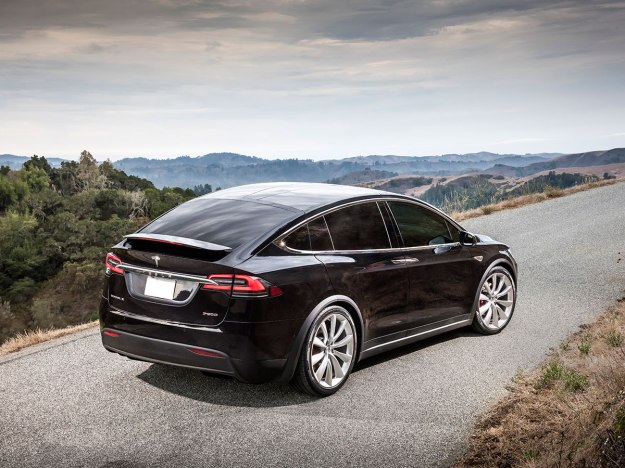
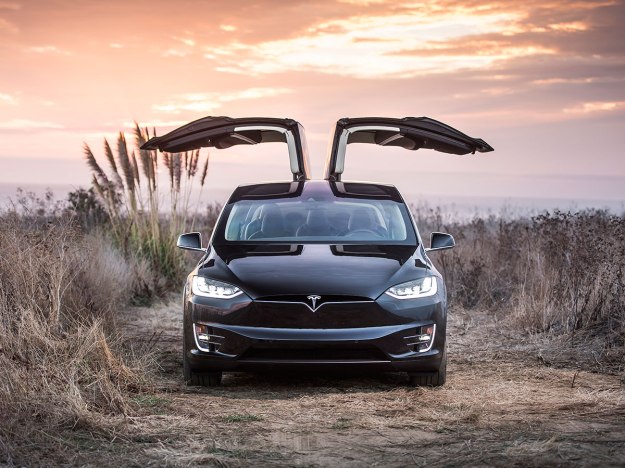
Tesla Model X: When an SUV can make you vomit while out-accelerating almost every Porsche, Ferrari or Lamborghini ever made, Modena and Stuttgart have a problem.

model-x

I hate SUVs for the same reason I hate houseboats. Bad houses, bad boats. Luxury SUV’s make me sick. Is there anything more American than the idea that you can have it all, without compromise, for a price? You can’t, otherwise Escalades and Expeditions would be running in NASCAR.

Except now you can, because I just took a Tesla Model X P90D to Ojai, California, and for the first time in my life, I wanted an American car.

The Model X P90D represents everything I hate. It’s an awkwardly-proportioned, 5440 pound, electric, semi-autonomous, 7-seater SUV, packed full of technology that cannot possibly last, from a company critics claim cannot survive.

And I absolutely loved it.

Flaws? It’s a new company. If reliability is your concern, lease one and enjoy the most advanced, brilliant and fascinating vehicle in its class. The standard warranty is four years. Prepare for loaners.

The exterior is what it is. If you want the future now, this is what it looks like. If you’re satisfied with yesterday, you already know what’s available today. I think the X is handsome. Ish. Once behind the wheel, I didn’t care.

The Model X P90D gets about 250 miles of range. I’d like 50 more. Was it a problem? Only in my mind. As with any Tesla, you should install a high-speed charger at home. If not, prepare to meet some new friends at your nearest Tesla Supercharging station, and scratch 2-3 hours a week off your schedule.

The interior is spartan, at best. I still don’t buy into the wisdom of replacing all controls with a touchscreen, however large and gorgeous. The seats are the best I’ve ever used, and that includes the 1972 Citroen DS and SM, my personal benchmarks.

model-x-art-1

The Model X is a vehicle that makes no sense and yet perfect sense, an SUV with 716 horsepower that does 0-60 in 3.8 seconds, or 3.2 with the “Ludicrous” software upgrade.

A Ferrari Enzo does it in 3.14.

When an SUV can make you vomit while out-accelerating almost every Porsche, Ferrari or Lamborghini ever made, Modena and Stuttgart have a problem. Handling? The X is based on the same platform as the Model S sedan, which means it’s magnificent. Lower the air suspension, set the steering to Sport, and the X shrinks around you. I’ve never felt safe driving an SUV as I would a sports car, until now. Even my old Cayenne Turbo was a brick by comparison.

The Model X is the SUV someone else would have built if they had any balls.

My god, those Falcon doors. Even if the X was utter junk, they could sell a year’s production based solely on these doors. Alas, you don’t need to be Nostradamus to know those will be a problem. If you lease past four years, get the extended warranty.

It has autopilot, which is what Tesla calls its Autonomous Driving suite. Light years ahead of competing systems, it is the only one today that approaches full autonomy. It’ll do 99% of the driving 90% of the time. It has a steep learning curve, but once mastered, autopilot is a revelation. Until Mercedes and Volvo come to the table, everything else is a joke.

The enormous one-piece panoramic windshield makes the cockpit feel like the first row in an IMAX theater. After driving the Model X, every other car feels like you have an eye infection. Why this windshield hasn’t been done before in the US, I don’t understand.

The Model X is the SUV someone else would have built if they had any balls. It is the world’s greatest SUV in a class of one…a class called The Future. The X is to SUV’s what the S is to luxury sedans, which is what Tesla is to the entire car industry: an icepick in the face of convention. Granted, there are stellar cars out there: the Cadillac CTS-V, the Porsche 911, the BMW M2, the Mercedes AMG-GT and the Volvo XC90, but these are jewels in the sediment of an industry left behind by true innovation. I love the Model X not merely as a vehicle, but as a profoundly American vehicle, the automotive manifestation of what this country is supposed to stand for. Ambition. Ingenuity. Confidence.

model-x-art-2

American inventor mythology is that of someone being told something couldn’t be done, and then doing it. Is there a more American story than Musk’s? The immigrant who became a tech titan, then launched a rocket company, then entered the car business?

The Model X, like Tesla the company, is an example of what happens when you apply that most American of methods to a problem. Throw out the book. Solve it from the ground up. Dealer networks suck? We’ll sell direct. Nowhere to charge? We’ll build our own network, and we’ll make it free. Autonomous Driving? Software updates? Let’s give Tesla owners access to the very best tech, and let’s wirelessly update it all the time.

By these standards, Tesla is the most American car company there is today, and the brilliant Model X is the most American car currently on the market. It is an example of what happens when a company is willing to take risks on our behalf rather than at our expense. Whatever critics may claim about Tesla’s ability to deliver, Musk’s greatest sin is his rush to sell us something truly better, which is why I deem the X worth every penny, flaws and all.

I can’t wait for the Model 3. If you believe in what really makes American great, neither should you.

http://www.thedrive.com/new-cars/2875/why-the-tesla-model-x-will-make-you-want-an-american-suv