Schlagwort-Archive: electric car makers

The EV Battery Tech That’s Worth the Hype, According to Experts

Major battery breakthroughs seemingly happen every day, but only some of that tech ever leaves the lab. WIRED breaks down what’s actually going to change EVs and what’s just a dream.

The EV Battery Tech Thats Worth the Hype According to Experts

You’ve seen the headlines: This battery breakthrough is going to change the electric vehicle forever. And then … silence. You head to the local showroom, and the cars all kind of look and feel the same.

WIRED got annoyed about this phenomenon. So we talked to battery technology experts about what’s really going on in electric vehicle batteries. Which technologies are here? Which will be, probably, but aren’t yet, so don’t hold your breath? What’s probably not coming anytime soon?

“It’s easy to get excited about these things, because batteries are so complex,” says Pranav Jaswani, a technology analyst at IDTechEx, a market intelligence firm. “Many little things are going to have such a big effect.” That’s why so many companies, including automakers, their suppliers, and battery-makers, are experimenting with so many bit parts of the battery. Swap one electrical conductor material for another, and an electric vehicle battery’s range might increase by 50 miles. Rejigger how battery packs are put together, and an automaker might bring down manufacturing costs enough to give consumers a break on the sales lot.

Still, experts say, it can take a long time to get even small tweaks into production cars—sometimes 10 years or more. “Obviously, we want to make sure that whatever we put in an EV works well and it passes safety standards,” says Evelina Stoikou, who leads the battery technology and supply chain team at BloombergNEF, a research firm. Ensuring that means scientists coming up with new ideas, and suppliers figuring out how to execute them; the automakers, in turn, rigorously test each iteration. All the while, everyone’s asking the most important question: Does this improvement make financial sense?

So it’s only logical that not every breakthrough in the lab makes it to the road. Here are the ones that really count—and the ones that haven’t quite panned out, at least so far.

It’s Really Happening

The big deal battery breakthroughs all have something in common: They’re related to the lithium-ion battery. Other battery chemistries are out there—more on them later—but in the next decade, it’s going to be hard to catch up with the dominant battery form. “Lithium-ion is already very mature,” says Stoikou. Lots of players have invested big money in the technology, so “any new one is going to have to compete with the status quo.”

Lithium Iron Phosphate

Why it’s exciting: LFP batteries use iron and phosphate instead of pricier and harder-to-source nickel and cobalt, which are found in conventional lithium-ion batteries. They’re also more stable and slower to degrade after multiple charges. The upshot: LFP batteries can help bring down the cost of manufacturing an EV, an especially important data point while Western electrics struggle to compete, cost-wise, with conventional gas-powered cars. LFP batteries are already common in China, and they’re set to become more popular in European and American electric vehicles in the coming years.

Why it’s hard: LFP is less energy dense than alternatives, meaning you can’t pack as much charge—or range—into each battery.

More Nickel

Why it’s exciting: The increased nickel content in lithium nickel manganese cobalt batteries ups the energy density, meaning more range in a battery pack without much more size or weight. Also, more nickel can mean less cobalt, a metal that’s both expensive and ethically dubious to obtain.

Why it’s hard: Batteries with higher nickel content are potentially less stable, which means they carry a higher risk of cracking or thermal runaway—fires. This means battery-makers experimenting with different nickel content have to spend more time and energy on the careful design of their products. That extra fussiness means more expense. For this reason, expect to see more nickel use in batteries for higher-end EVs.

Dry Electrode Process

Why it’s exciting: Usually, battery electrodes are made by mixing materials into a solvent slurry, which then is applied to a metal current collector foil, dried, and pressed. The dry electrode process cuts down on the solvents by mixing the materials in dry powder form before application and lamination. Less solvent means fewer environmental and health and safety concerns. And getting rid of the drying process can save production time—and up efficiency—while reducing the physical footprint needed to manufacture batteries. This all can lead to cheaper manufacturing, “which should trickle down to make a cheaper car,” says Jaswani. Tesla has already incorporated a dry anode process into its battery-making. (The anode is the negative electrode that stores lithium ions while a battery is charging.) LG and Samsung SGI are also working on pilot production lines.

Why it’s hard: Using dry powders can be more technically complicated.

Cell-to-Pack

Why it’s exciting: In your standard electric vehicle battery, individual battery cells get grouped into modules, which are then assembled into packs. Not so in cell-to-pack, which puts cells directly into a pack structure without the middle module step. This lets battery-makers fit more battery into the same space, and can lead to some 50 additional miles of range and higher top speeds, says Jaswani. It also brings down manufacturing costs, savings that can be passed down to the car buyer. Big-time automakers including Tesla and BYD, plus Chinese battery giant CATL, are already using the tech.

Why it’s hard: Without modules, it can be harder to control thermal runaway and maintain the battery pack’s structure. Plus, cell-to-pack makes replacing a faulty battery cell much harder, which means smaller flaws can require opening or even replacing the entire pack.

Silicon Anodes

Why it’s exciting: Lithium-ion batteries have graphite anodes. Adding silicon to the mix, though, could have huge upsides: more energy storage (meaning longer driving ranges) and faster charging, potentially down to a blazing six to 10 minutes to top up. Tesla already mixes a bit of silicon into its graphite anodes, and other automakers—Mercedes-Benz, General Motors—say they’re getting close to mass production.

Why it’s hard: Silicon alloyed with lithium expands and contracts as it goes through the charging and discharging cycle, which can cause mechanical stress and even fracturing. Over time, this can lead to more dramatic battery capacity losses. For now, you’re more likely to find silicon anodes in smaller batteries, like those in phones or even motorcycles.

It’s Kind of Happening

The battery tech in the more speculative bucket has undergone plenty of testing. But it’s still not quite at a place where most manufacturers are building production lines and putting it into cars.

Sodium-Ion Batteries

Why it’s exciting: Sodium—it’s everywhere! Compared to lithium, the element is cheaper and easier to find and process, which means tracking down the materials to build sodium-ion batteries could give automakers a supply chain break. The batteries also seem to perform better in extreme temperatures, and are more stable. Chinese battery-maker CATL says it will start mass production of the batteries next year and that the batteries could eventually cover 40 percent of the Chinese passenger-vehicle market.

Why it’s hard: Sodium ions are heavier than their lithium counterparts, so they generally store less energy per battery pack. That could make them a better fit for battery storage than for vehicles. It’s also early days for this tech, which means fewer suppliers and fewer time-tested manufacturing processes.

Solid State Batteries

Why it’s exciting: Automakers have been promising for years that groundbreaking solid state batteries are right around the corner. That would be great, if true. This tech subs the liquid or gel electrolytes in a conventional li-ion battery for a solid electrolyte. These electrolytes should come in different chemistries, but they all have some big advantages: more energy density, faster charging, more durability, fewer safety risks (no liquid electrolyte means no leaks). Toyota says it will finally launch its first vehicles with solid state batteries in 2027 or 2028. BloombergNEF projects that by 2035, solid state batteries will account for 10 percent of EV and storage production.

Why it’s hard: Some solid electrolytes have a hard time at low temperatures. The biggest issues, however, have to do with manufacturing. Putting together these new batteries requires new equipment. It’s really hard to build defect-free layers of electrolyte. And the industry hasn’t come to an agreement about which solid electrolyte to use, which makes it hard to create supply chains.

Maybe It’ll Happen

Good ideas don’t always make a ton of sense in the real world.

Wireless Charging

Why it’s exciting: Park your car, get out, and have it charge up while you wait—no plugs required. Wireless charging could be the peak of convenience, and some automakers insist it’s coming. Porsche, for example, is showing off a prototype, with plans to roll out the real thing next year.

Why it’s hard: The issue, says Jaswani, is that the tech underlying the chargers we have right now works perfectly well and is much cheaper to install. He expects that eventually, wireless charging will show up in some restricted use cases—maybe in buses, for example, that could charge up throughout their routes if they stop on top of a charging pad. But this tech may never go truly mainstream, he says.

Source: https://www.wired.com/story/the-ev-battery-tech-thats-worth-the-hype-according-to-experts/

Die Neue KFZ-Steuer für Elektroautos in Österreich ab 1. April 2025: Aktualisierte Berechnungslogik und Kostenübersicht

Die lange geltende Steuerbefreiung für Elektrofahrzeuge in Österreich endet bald. Ab dem 1. April 2025 werden auch Elektroautos der motorbezogenen Versicherungssteuer (mVSt) unterliegen, was für Besitzer dieser Fahrzeuge eine jährliche Mehrbelastung von mehreren hundert Euro bedeuten wird. Diese Änderung betrifft sowohl bereits zugelassene Elektrofahrzeuge als auch Neuzulassungen und stellt eine bedeutende finanzpolitische Wende dar. Im Folgenden wird die Berechnungslogik der neuen Steuer erläutert und für die gängigsten Elektroautomodelle in Österreich berechnet.

Die Berechnungslogik der neuen KFZ-Steuer für Elektroautos

Die motorbezogene Versicherungssteuer für Elektroautos wird auf Basis von zwei wesentlichen Fahrzeugmerkmalen berechnet: der Dauerleistung (30-Minuten-Nennleistung) und dem Eigengewicht des Fahrzeugs. Beide Werte sind im Zulassungsschein vermerkt und bilden die Grundlage für die Steuerberechnung. Anders als bei Fahrzeugen mit Verbrennungsmotor, bei denen die Steuer anhand der Motorleistung und des CO₂-Ausstoßes berechnet wird, wurde für Elektrofahrzeuge eine spezielle Berechnungsmethode entwickelt.

Die Steuerformel beinhaltet Freibeträge für beide Komponenten, die vor der eigentlichen Berechnung abgezogen werden. Bei der Dauerleistung werden 45 kW abgezogen, beim Eigengewicht sind es 900 kg. Nach Abzug dieser Freibeträge erfolgt die Berechnung anhand einer gestaffelten Formel.

Leistungskomponente (pro Jahr)

Die Berechnung der Leistungskomponente erfolgt nach dem Abzug des Freibetrags von 45 kW in drei Stufen:

  • Für die ersten 35 kW: 3 Euro pro kW (mindestens jedoch 30 Euro)

  • Für die nächsten 25 kW: 4,2 Euro pro kW

  • Für jedes weitere kW darüber: 5,4 Euro pro kW

Gewichtskomponente (pro Jahr)

Nach Abzug des Freibetrags von 900 kg wird die Gewichtskomponente ebenfalls in drei Stufen berechnet:

  • Für die ersten 500 kg: 0,18 Euro pro kg (mindestens jedoch 36 Euro)

  • Für die nächsten 700 kg: 0,36 Euro pro kg

  • Für jedes weitere kg darüber: 0,54 Euro pro kg

Die Gesamtsteuer ergibt sich aus der Summe der Leistungs- und Gewichtskomponente. Da die Steuer über die Kfz-Haftpflichtversicherung eingehoben wird, wird sie in der Regel gemeinsam mit der Versicherungsprämie bezahlt.

Die 20 gängigsten Elektroautos in Österreich und ihre Steuerbelastung

Auf Basis der verfügbaren Zulassungsstatistiken für das Jahr 2024 und ergänzender Daten zu Gewicht und Leistung der einzelnen Modelle kann die zu erwartende Steuerbelastung berechnet werden. Insgesamt wurden in Österreich im Jahr 2024 etwa 44.622 Elektroautos neu zugelassen, was einem Rückgang von 6,3 Prozent im Vergleich zu 2023 entspricht. Dabei entfielen lediglich 23,5 Prozent der Neuzulassungen auf Privatpersonen, während der Rest auf Firmenfahrzeuge entfiel.

Tesla Model Y – Spitzenreiter bei den Zulassungen

Das Tesla Model Y mit einer Dauerleistung von 153 kW und einem präzise dokumentierten Eigengewicht von 1.997 kg muss künftig mit einer jährlichen Steuerbelastung von etwa 780 Euro rechnen. Diese setzt sich zusammen aus einer Leistungskomponente von etwa 469 Euro (basierend auf der 30-Minuten-Leistung) und einer Gewichtskomponente von rund 311 Euro. Als meistverkauftes Elektroauto in Österreich sind von dieser Steueränderung viele Fahrzeugbesitzer betroffen.

BYD Seal – Der Newcomer auf Platz 2

Der BYD Seal hat sich als Überraschung auf dem zweiten Platz der meistverkauften Elektroautos positioniert. Mit einem Leergewicht zwischen 2.055 und 2.185 kg (je nach Ausführung) und einer geschätzten Dauerleistung von etwa 105 kW muss dieses Modell mit einer Steuerbelastung zwischen 714 und 760 Euro rechnen. Die chinesische Limousine hat 2024 einen bemerkenswerten Markteintritt in Österreich hingelegt und zeigt die zunehmende Akzeptanz von Marken aus Fernost im europäischen Markt.

Škoda Enyaq – Etablierter Favorit auf Platz 3

Der Škoda Enyaq 85x mit einer Dauerleistung von 77 kW und einem beachtlichen Eigengewicht von 2.384 kg wird künftig mit einer jährlichen Steuerbelastung von etwa 574 Euro belastet. Davon entfallen rund 96 Euro auf die Leistungskomponente und etwa 478 Euro auf die Gewichtskomponente. Der hohe Gewichtsanteil an der Gesamtsteuer wird bei diesem Modell besonders deutlich. Der Enyaq, für den Škoda 2024 ein Facelift eingeführt hat, fiel vom zweiten auf den dritten Platz zurück, blieb aber mit 2.310 Neuzulassungen eines der beliebtesten E-Autos in Österreich.

BMW iX1 – Starker Zuwachs auf Platz 4

Der elektrische BMW X1 (BMW iX1 xDRIVE30) mit einer Dauerleistung von 104 kW und einem Eigengewicht von präzise 1.940 kg wird künftig mit einer jährlichen Steuerbelastung von etwa 493 Euro belastet. Diese setzt sich zusammen aus einer Leistungskomponente von etwa 206 Euro und einer Gewichtskomponente von rund 287 Euro. Mit 2.291 Neuzulassungen im Jahr 2024 konnte der X1 ein beachtliches Wachstum verzeichnen.

BMW i4 – Stabiler Mittelklasse-Favorit

Der BMW i4, der mit 2.086 Neuzulassungen Platz 5 der meistverkauften Elektroautos in Österreich belegte, hat ein Leergewicht von 2.125 kg und eine 30-Minuten-Leistung von 105 kW (beim i4 eDrive40). Die jährliche Steuerbelastung wird sich auf etwa 567 Euro belaufen, wovon 210 Euro auf die Leistungskomponente und 357 Euro auf die Gewichtskomponente entfallen. Trotz des relativ hohen Gewichts bleibt der i4 aufgrund seiner ausgewogenen Verhältnisse ein beliebtes Modell in der elektrischen Mittelklasse.

Tesla Model 3 – Der Klassiker auf Platz 6

Das Tesla Model 3 mit einer Dauerleistung von 153 kW und einem genauen Eigengewicht von 1.851 kg wird künftig mit einer jährlichen Steuerbelastung von etwa 686 Euro belastet. Diese setzt sich zusammen aus einer Leistungskomponente von etwa 469 Euro und einer Gewichtskomponente von rund 217 Euro. Mit 2.077 Neuzulassungen und einem Plus von 6,7 Prozent konnte das Model 3, das im Herbst 2023 ein Facelift erhielt, seine Position auf dem österreichischen Markt festigen. Im Vergleich zum schwereren Model Y ist die Gewichtskomponente hier deutlich niedriger.

Audi Q4 e-tron – Premiummodell mit zunehmender Beliebtheit

Der Audi Q4 e-tron landete mit 1.599 Neuzulassungen auf Platz 7 der beliebtesten Elektroautos in Österreich. Mit einem Leergewicht von 2.145 kg und einer geschätzten Dauerleistung von etwa 90 kW wird die jährliche Steuerbelastung bei etwa 493 Euro liegen. Davon entfallen etwa 135 Euro auf die Leistungskomponente und 358 Euro auf die Gewichtskomponente. Als Premium-SUV positioniert, zeigt der Q4 e-tron, dass auch in höheren Preissegmenten die Nachfrage nach Elektrofahrzeugen wächst.

VW ID.4 – Der elektrische Tiguan-Nachfolger

Der VW ID.4 schaffte es mit 1.527 Einheiten auf Platz 8. Mit einem Leergewicht von mindestens 1.966 kg und einer geschätzten Dauerleistung von 85 kW wird die jährliche Steuerbelastung etwa 425 Euro betragen. Davon entfallen etwa 120 Euro auf die Leistungskomponente und 305 Euro auf die Gewichtskomponente. Als einer der ersten elektrischen Volumenhersteller im SUV-Segment hat der ID.4 eine wichtige Rolle in der Elektrifizierungsstrategie von Volkswagen.

Cupra Born – Sportlicher Ableger mit Designanspruch

Der Cupra Born, der im Vorjahr noch besser platziert war, rutschte mit 1.497 Neuzulassungen auf Platz 9 ab. Mit einem Leergewicht zwischen 1.811 und 1.946 kg (je nach Ausführung) und einer geschätzten Dauerleistung von 80 kW wird die jährliche Steuerbelastung zwischen 358 und 391 Euro liegen. Die sportliche Ausrichtung und das markante Design des Born sprechen besonders jüngere Käuferschichten an.

Volvo EX30 – Der Überraschungserfolg aus Schweden

Der Volvo EX30 schaffte es als Neueinsteiger mit 1.112 Zulassungen auf Platz 10. Mit einem Leergewicht von 1.850 kg (Single Motor) bzw. 1.960 kg (Twin Motor) und Dauerleistungen von 80 kW bzw. 105 kW wird die jährliche Steuerbelastung zwischen 374 und 517 Euro liegen. Als kompaktes Elektro-SUV mit Premium-Anspruch hat der EX30 eine interessante Nische besetzt und konnte trotz seines erst kürzlichen Markteintritts bereits viele Käufer überzeugen.

Weitere beliebte Elektroautomodelle und ihre Steuerbelastung

Für einige weitere beliebte Modelle, die zwar nicht unter den Top 10 rangieren, aber dennoch in Österreich verbreitet sind, können ebenfalls präzise Steuerbelastungen berechnet werden:

Der VW ID.3 mit einer Dauerleistung von 70 kW und einem dokumentierten Eigengewicht von exakt 1.934 kg wird künftig mit einer jährlichen Steuerbelastung von etwa 362 Euro belastet. Diese setzt sich zusammen aus einer Leistungskomponente von etwa 75 Euro und einer Gewichtskomponente von rund 287 Euro. Als kompakter Elektrowagen bleibt der ID.3 eine wichtige Säule im Elektrofahrzeugangebot von Volkswagen.

Der VW ID.5 Pro mit einer Dauerleistung von 89 kW und einem präzisen Eigengewicht von 2.117 kg wird künftig mit einer jährlichen Steuerbelastung von etwa 463 Euro belastet. Diese setzt sich zusammen aus einer Leistungskomponente von etwa 132 Euro und einer Gewichtskomponente von rund 331 Euro. Als Coupé-Version des ID.4 bietet der ID.5 eine sportlichere Alternative mit ähnlicher technischer Basis.

Der VW ID.7 Pro mit einer Dauerleistung von 89 kW und einem genauen Eigengewicht von 2.172 kg wird künftig mit einer jährliche Steuerbelastung von etwa 482 Euro belastet. Diese setzt sich zusammen aus einer Leistungskomponente von etwa 132 Euro und einer Gewichtskomponente von rund 350 Euro. Als Flaggschiff der elektrischen ID-Familie von Volkswagen positioniert sich der ID.7 im oberen Mittelklassesegment.

Besondere Fälle: Extreme im Preisspektrum

Interessant ist auch ein Blick auf Fahrzeuge, die besonders hohe oder niedrige Steuerbeträge aufweisen werden:

Der Audi Q8 e-tron mit einer Dauerleistung von 158 kW und einem beachtlichen Eigengewicht von exakt 2.724 kg wird künftig mit einer jährlichen Steuerbelastung von etwa 1.234 Euro belastet – eine der höchsten Steuerbelastungen im Elektroautosegment. Diese setzt sich zusammen aus einer Leistungskomponente von etwa 496 Euro und einer Gewichtskomponente von rund 738 Euro. Als Luxus-SUV im Premium-Segment ist der Q8 e-tron jedoch für eine wohlhabende Kundschaft konzipiert, für die diese zusätzliche Steuerbelastung vermutlich keine entscheidende Rolle spielen wird.

Am anderen Ende des Spektrums steht der Hyundai Inster mit einer Dauerleistung von 28 kW und einem Eigengewicht von präzise 1.503 kg, der mit einer jährlichen Steuerbelastung von lediglich 144 Euro rechnen muss. Diese setzt sich zusammen aus dem Mindeststeuerbetrag für die Leistungskomponente von 30 Euro und einer Gewichtskomponente von rund 114 Euro. Als eines der leichtesten und leistungsschwächsten Elektroautos auf dem Markt profitiert der Inster besonders von den Freibeträgen bei der Steuerberechnung.

Der Renault Zoe mit einer Dauerleistung von 51 kW und einem Eigengewicht von 1.577 kg wird künftig mit einer jährlichen Steuerbelastung von etwa 153 Euro belastet. Diese setzt sich zusammen aus einer Leistungskomponente von etwa 30 Euro (Minimumbetrag) und einer Gewichtskomponente von rund 123 Euro. Als eines der ersten massentauglichen Elektroautos bleibt der Zoe auch mit der neuen Steuer eine verhältnismäßig günstige Option.

Der kompakte BMW i3 mit einer Dauerleistung von 80 kW und einem erstaunlich geringen Eigengewicht von nur 1.345 kg wird künftig mit einer jährlichen Steuerbelastung von etwa 185 Euro belastet. Diese setzt sich zusammen aus einer Leistungskomponente von etwa 105 Euro und einer Gewichtskomponente von rund 80 Euro. Obwohl die Produktion des i3 bereits 2022 eingestellt wurde, sind noch viele Exemplare auf Österreichs Straßen unterwegs. Dank seiner innovativen Karbonkarosserie bleibt der i3 eines der leichtesten Elektroautos und profitiert entsprechend von der gewichtsabhängigen Steuerkomponente.

Auswirkungen und Kritik der neuen Steuer

Die Einführung der motorbezogenen Versicherungssteuer für Elektroautos wird in der Öffentlichkeit kontrovers diskutiert. Durch diese Maßnahme erhofft sich die Regierungskoalition nach Angaben des Verkehrsclubs ÖAMTC Mehreinnahmen von rund 65 Millionen Euro jährlich. Für das Jahr 2026 rechnet die Regierung sogar mit Einnahmen von 130 Millionen Euro, da die Zahl der E-Auto-Zulassungen kontinuierlich steigt.

Die Entscheidung stößt insbesondere bei Umweltverbänden und der Automobilwirtschaft auf Kritik, da sie die Attraktivität der Elektromobilität in einer ohnehin schon herausfordernden Marktphase weiter verringern könnte. Brancheninsider befürchten, dass sich vor allem Privatkäufer wieder verstärkt Verbrennungsfahrzeugen zuwenden könnten.

Allerdings bleibt der steuerliche Vorteil von elektrischen Firmenwagen unangetastet, was angesichts der Tatsache, dass rund 80 Prozent der Elektroautos in Österreich Firmenfahrzeuge sind, von Bedeutung ist. Zudem plant die Regierung Verbesserungen im Bereich der Ladeinfrastruktur, insbesondere an Autobahn-Raststätten, wo zusätzliche Schnellladestationen vorgesehen sind.

Fazit: Eine neue Ära für Elektromobilität in Österreich

Mit dem Ende der Steuerbefreiung für Elektroautos ab April 2025 beginnt in Österreich eine neue Phase der Elektromobilität. Die jährliche Mehrbelastung von durchschnittlich 400 Euro pro Jahr, in manchen Fällen sogar bis zu 500 Euro, stellt für viele E-Auto-Besitzer eine spürbare finanzielle Veränderung dar. Besonders schwere und leistungsstarke Elektro-SUVs werden dabei deutlich stärker belastet als leichte Kompaktmodelle mit geringerer Leistung.

Diese steuerliche Änderung fällt in eine Zeit, in der der Elektroautomarkt in Österreich ohnehin leicht rückläufig ist. Mit einem Rückgang der Neuzulassungen um 6,3 Prozent im Jahr 2024 gegenüber dem Vorjahr kämpft die Branche bereits mit Herausforderungen. Ob die neue Steuer diesen Trend verstärken wird oder ob andere Faktoren wie verbesserte Ladeinfrastruktur und neue, erschwinglichere Modelle diesen Effekt ausgleichen können, bleibt abzuwarten.

Für Kaufinteressenten lohnt es sich jedenfalls, bei der Modellauswahl auch die künftige Steuerbelastung zu berücksichtigen und vor dem Kauf eines Elektroautos die zu erwartenden Kosten genau zu berechnen. Die Besteuerung von Elektroautos markiert jedenfalls einen bedeutsamen Schritt in Richtung fiskalischer Gleichbehandlung verschiedener Antriebsarten, auch wenn die ökologischen Vorteile der Elektromobilität weiterhin durch andere Maßnahmen gefördert werden sollen.

Tabelle: Steuerbelastung der gängigsten Elektroautos in Österreich

Modell Dauerleistung (kW) Eigengewicht (kg) Leistungskomponente (€) Gewichtskomponente (€) Gesamtsteuer (€)
Tesla Model Y 153 1.997 469 311 780
BYD Seal 105 2.120 210 504 714
Škoda Enyaq 85x 77 2.384 96 478 574
BMW iX1 xDRIVE30 104 1.940 206 287 493
BMW i4 eDrive40 105 2.125 210 357 567
Tesla Model 3 153 1.851 469 217 686
Audi Q4 e-tron 90 2.145 135 358 493
VW ID.4 85 1.966 120 305 425
Cupra Born 80 1.878 105 253 358
Volvo EX30 (Single Motor) 80 1.850 105 240 345

Extreme Fälle: Höchste und niedrigste Steuerbelastungen

Höchste Steuerbelastungen

  1. Audi Q8 e-tron: 158 kW, 2.724 kg, Gesamtsteuer: 1.234 Euro

  2. Mercedes EQS 450+: 140 kW, 2.480 kg, Gesamtsteuer: 1.046 Euro

  3. BMW iX xDrive50: 140 kW, 2.555 kg, Gesamtsteuer: 1.083 Euro

  4. Tesla Model S: 155 kW, 2.240 kg, Gesamtsteuer: 1.011 Euro

  5. Porsche Taycan Turbo S: 160 kW, 2.380 kg, Gesamtsteuer: 1.144 Euro

Niedrigste Steuerbelastungen

  1. Hyundai Inster: 28 kW, 1.503 kg, Gesamtsteuer: 144 Euro

  2. Renault Zoe: 51 kW, 1.577 kg, Gesamtsteuer: 153 Euro

  3. BMW i3 120 Ah: 75 kW, 1.345 kg, Gesamtsteuer: 185 Euro

  4. Smart EQ Fortwo: 41 kW, 1.040 kg, Gesamtsteuer: 123 Euro

  5. Fiat 500e: 42 kW, 1.230 kg, Gesamtsteuer: 135 Euro

Chinese money is fueling electric car startups like Atieva in an effort to catch up to Tesla

A few miles from Tesla Motors Inc’s Palo Alto headquarters, a Silicon Valley startup plans to challenge the electric car maker with a rival family of vehicles designed and built in the United States with major backing from Chinese investors.

Atieva plans to put a premium electric sedan on the road in 2018, followed by a pair of luxury crossovers in 2020-2021, company executives told Reuters in an exclusive interview. The company is racing not just against Tesla, but also against three China-based startups that are using Silicon Valley technologists.

Two of those startups are funded by the same Chinese internet billionaire backing Atieva. All three have opened technical facilities in Silicon Valley in the past year. Only one of those companies, Faraday Future, has said it also plans to build its electric vehicles in the United States.

Unlike those companies, Atieva was started in California. Former executives from Tesla and Oracle launched it in late 2007, and hired several former Tesla hands including Atieva Chief Technology Officer Peter Rawlinson.

„Secret sauce“

With its first car still at least two years away from production, Atieva is using a Mercedes-Benz Vito commercial van to test the drivetrain: a pair of high-output electric motors, a lithium-ion battery pack, inverters and controllers.

Rawlinson, who while at Tesla led engineering of the Model S sedan, said Atieva’s software is the „secret sauce“ tying all that hardware together to deliver a combined 900 horsepower to the 5,000-pound four-wheel-drive van he has named „Edna.“

The drivetrain propels the van from zero to 60 mph in just 3.1 seconds, a fraction slower than the fastest Tesla Model S. Atieva’s 0-60 acceleration target for its 2018 sedan is 2.7 seconds, faster than a 12-cylinder Ferrari supercar.

The Atieva sedan, being developed under the code name Project Cosmos, looks like a futuristic descendent of the Audi A7. Its headlamps are ultra-thin, with thousands of insect-inspired micro lenses. Its dashboard has a three-piece reconfigurable digital display that can be controlled by voice or touch.

Atieva has raised several hundred million dollars from investors including Mitsui & Co Ltd , the Japanese trading giant, and Venrock, a Silicon Valley venture capital firm connected with the Rockefeller family that once funded Intel and Apple.

Crowded field

Elon Musk Elon Musk, Chairman of SolarCity and CEO of Tesla Motors, speaks at SolarCity’s Inside Energy Summit in Manhattan, New York October 2, 2015. REUTERS/Rashid Umar Abbasi

Atieva’s launch schedule would add its new sedan to a bumper crop of electric luxury vehicles vying for customers in a rarified market Tesla now has largely to itself.

This week, Daimler AG’s Mercedes luxury car brand said it would unveil in October a long-range electric car it intends to put on sale before 2020. German rivals Volkswagen AG and BMW AG have said they are also working on premium electric cars.

Tesla did not reply to a request for comment about these would-be rivals, but the company is not sitting still and waiting for them to pounce. Chief Executive Officer Elon Musk raised $1.46 billion with a share sale last month, and outlined plans to launch a high-volume Model 3 sedan in 2017.

Tesla’s lead in the electric luxury vehicle segment has bolstered the price of its shares, which remain more than double their level of three years ago despite a 9 percent decline for the year to date.

Manufacturing plans

As Atieva looks for where it will build its U.S. factory, manufacturing director Brian Barron says the company has narrowed its search to two sites and expects to choose later this year. Barron, who spent 20 years overseeing various BMW plants, said the factory will be designed to build 20,000 electric cars a year initially, ramping up in stages to 130,000 a year.

Two of Atieva’s biggest shareholders are Chinese: State-owned Beijing Auto and a subsidiary of publicly traded LeEco, an internet company that has also declared it intends to offer an electric car. LeEco is controlled by Chinese tech entrepreneur Jia Yueting.

Jia also controls Faraday Future, an electric vehicle startup whose U.S. headquarters is based near Los Angeles and which also shares space in LeEco’s San Jose technical center in Silicon Valley.

A fourth Chinese-backed startup, NextEV, has a new San Jose facility near LeEco. NextEV is backed by Valley venture capital firm Sequoia Capital, which funded Google in its infancy. NextEV was launched in 2014 by William Li, the founder of Chinese website Bitauto, and financed in part by Tencent, the Chinese internet services provider.

Atieva design vice president Derek Jenkins said the company will set itself apart from its Chinese rivals using its „California DNA“ and its „California mindset.“ He did not provide specifics, but Jenkins led the team that designed the latest Mazda MX-5 Miata roadster.


http://www.businessinsider.com/r-electric-car-startups-fueled-by-chinese-money-aim-to-catch-tesla-2016-6

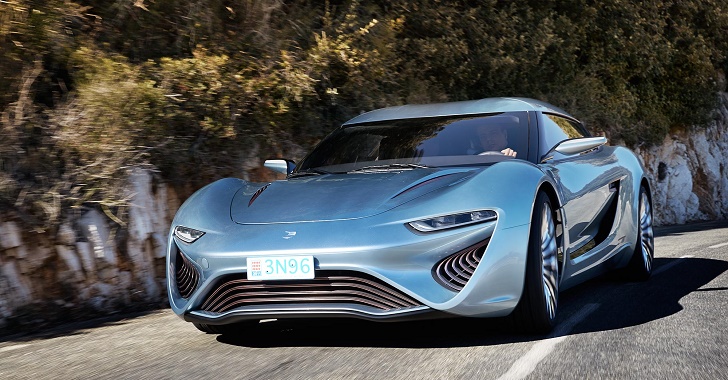
QUANT e-Sportlimousine powered by Saltwater top speed 350 km/h (217.5 mph) 0-100 2.8 seconds maximum power 920 horsepower (680 kW) – 600 km (373 mi) with a full tank

image_quant_05

QUANT e-Sportlimousine powered by Saltwater
top speed 350 km/h (217.5 mph)
0-100 2.8 seconds
maximum power  920 horsepower (680 kW)
range 600 km (373 mi) with a full tank


In a breakthrough that is bound to catch the attention of the oil industry and even electric car makers, a company has just gained approval for its ‘salt water’ powered car in Europe.

A car called the Quant e-Sportlimousine that was presented at the 2014 Geneva Motor Show is the first electric car powered by salt water and is now certified for use on European public roads.

The e-Sportlimousine, built by the German company Quant, runs on an electrolyte flow cell power system made by NanoFlowcell that generates a staggering 920 horsepower, goes 0-62 mph in 2.8 seconds, and propels the car to a top speed of 217.5 mph!

What is an electrolyte flow cell you ask? According to Green Car Congress“Flow cells or flow batteries combine aspects of an electrochemical battery cell with those of a fuel cell. The electrolytic fluids in flow cells—usually metallic salts in aqueous solution(salt water)—are pumped from tanks through the cell. This forms a kind of battery cell with a cross-flow of electrolyte liquid.”

For the first time an automobile featuring flow-cell electric drive will appear on Germany’s roads,” said Nunzio La Vecchia, chief technical officer at NanoFlowcell, a company which designed the car. “We are extremely proud that as a small company we have developed such visionary technology and are now able to put it into practice. But this is only the beginning of our journey of discovery.”

A few months after making a debut at the 2014 Geneva Motor Show, the Quant e-Sportlimousine underwent an in-depth inspection and received official approval to be tested on public roads in Germany and Europe from certification provider TÜV Süd based in Munich, Germany.

The car is powered by the electrolyte flow cell power system, which is a part of the NanoFlowcell technology. The system works in a similar way to a hydrogen fuel cell, except for the fact that salt water is used for storing power. In particular, two liquids with metallic salts, which act as the electrolyte, are combined in such a way that the electrochemical reaction takes place. After that, electric motors use this reaction to generate electricity, which is then stored and distributed by super capacitors. The efficiency of this system reaches 80%, since the car has almost no moving parts in it, and the produced waste heat is insignificant in comparison with cars powered by lithium-ion batteries.

The company claims that the Quant e-Sportlimousine can reach the speed of 350 km/h (217.5 mph), accelerate from 0-100 in 2.8 seconds and has maximum power of 920 horsepower (680 kW). Moreover, the car is claimed to be able to travel up to 600 km (373 mi) with a full tank, which is five times greater than with a conventional battery system. At the same time, the car is safe to drive and environmentally friendly.

However, the market price of the Quant e-Sportlimousine is estimated to exceed $1.7. It is not yet clear if the company plans to use the NanoFlowcell technology on more affordable cars, but it can be said for sure that this technology has a great potential and could be used in a wide range of applications which go beyond the automobile industry.

Using this platform, the e-Sportlimousine is able to produce a massive amount of power while emitting zero emissions. While the e-Sportlimousine is bound to be very expensive, there is hope for the electrolyte flow cell power platform to be used more practically in the future.

This technology has potential uses for other industries as well, says NanoFlowcell spokesman Prof. Jens-Peter Ellermann, “The potential of the NanoFlowcell is much greater, especially in terms of domestic energy supplies as well as in maritime, rail and aviation technology. The NanoFlowcell offers a wide range of applications as a sustainable, low cost and environmentally-friendly source of energy.”  

“Low cost”, that sounds good to me.

Source: http://themindunleashed.org/2014/09/move-tesla-new-car-powered-salt-water-900-horsepower.html